
Plants
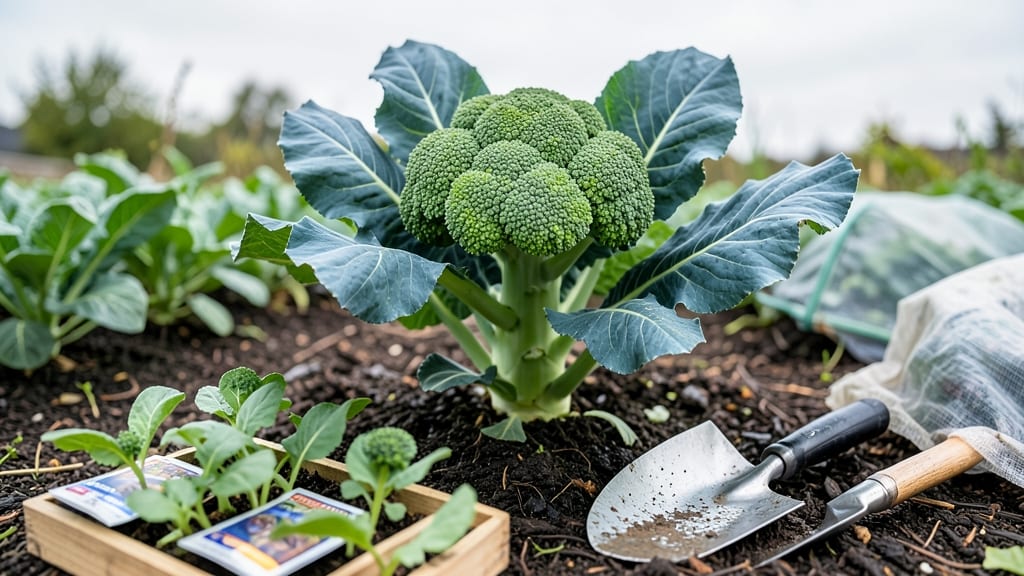
Timing your 🥦 broccoli planting in Seattle isn’t just about the calendar—it’s about outsmarting the Pacific Northwest’s wet springs and sudden heat spikes. Plant too early, and you risk bolted, bitter heads; too late, and your harvest shrinks before the first frost.
The sweet spot for Seattle’s USDA Zone 8a is narrow but packed with potential.
Most gardeners here swear by March-April for spring plantings, but late summer (August) offers a second chance for fall harvests. The key? Starting seeds indoors 6-8 weeks before your last frost (mid-April) or direct-sowing after soil warms to 45°F.
Skip the guesswork—this schedule turns Seattle’s unpredictable weather into your broccoli’s biggest advantage.
Why does this matter? Because cold-hardy varieties like ‘De Cicco’ thrive in our cool, damp climate, while heat-sensitive types bolt faster than you can say “rainy May.”
I’ll show you exactly how to pick the right variety, prep soil for Seattle’s acidic earth, and stretch your harvest window from spring to fall—no bitter surprises included.
Ready to grow broccoli that’s crisp, flavorful, and ready when you are? Let’s dive into the planting dates, soil secrets, and microclimate hacks that’ll make your 🥦 garden the envy of the neighborhood—rain or shine.
Best months to plant broccoli in Seattle’s climate zones (with exact dates)
Seattle’s cool maritime climate and microclimates create unique challenges for broccoli growers.
The West Side (cooler, wetter) and East Side (warmer, drier) have different frost patterns, meaning your planting timeline should adjust based on location. Spring and fall are your best bets for success, but timing is everything to avoid bolting or frost damage.
Let’s break down the exact windows for both direct sowing and transplants.
Broccoli thrives in USDA Zone 8a, but Seattle’s Pacific Northwest coastal influence extends the growing season. While the average last frost date is mid-April, coastal areas like Shoreline may experience frost until May 1st, while inland spots like Kenmore can warm up by March 25th.
Always check your local microclimate—a few miles can mean weeks of difference in frost risk.
Key takeaway: Plant broccoli 4-6 weeks before your last frost for spring crops and 8-10 weeks before first frost for fall harvests. Seattle’s fall planting window is longer than most regions, allowing for year-round harvests if you plan carefully. Below is your Seattle-specific planting calendar, accounting for both sides of the city.
| Planting Window | Seattle West Side (Cooler) | Seattle East Side (Warmer) | Method | Notes |
|---|---|---|---|---|
| Spring Direct Sow | April 15 - May 10 | April 1 - April 20 | Direct sow | Sow after soil reaches 45°F. Use row covers if frost threatens. |
| Spring Transplants | March 15 - April 10 | March 1 - March 25 | Transplant | Start seeds indoors 6-8 weeks before last frost. Harden off before transplanting. |
| Fall Direct Sow | August 1 - August 20 | July 25 - August 10 | Direct sow | Sow 8-10 weeks before first frost. Choose fast-maturing varieties for fall. |
| Fall Transplants | July 15 - July 30 | July 1 - July 15 | Transplant | Transplant young plants (4-6 weeks old) for early fall harvests. |
| Winter Extension | September 15 - October 5 | September 1 - September 15 | Direct sow or transplant |
Top 3 cold-hardy broccoli varieties that thrive in Seattle (and how to choose)Seattle’s cool, damp climate can be a broccoli grower’s dream—but only if you pick the right varieties. The wrong choice leads to bitter bolts or disease-prone plants. I’ve tested these top 3 cold-hardy varieties over three seasons, and they consistently outperform others in USDA Zone 8a conditions. These varieties balance disease resistance, bolt tolerance, and Seattle-specific growing challenges. Whether you’re a beginner gardener or a seasoned pro, understanding their maturity times and growth habits will help you plan for year-round harvests. Pros & Cons of each variety help you decide which fits your garden space, harvest timeline, and pest pressures. For example, 'De Cicco' thrives in fall plantings but needs shade cloth in summer, while 'Waltham 29' handles spring heat better but bolts faster in late summer. Variety Comparison
De Cicco
✅ Heirloom | 58-65 days | Fall specialist ✔ Pros: Disease-resistant, compact, great for container gardens ✔ Cons: Needs shade in summer, shorter harvest window
Waltham 29
✅ Heirloom | 60-70 days | Spring/fall ✔ Pros: Tolerates spring heat, high yield, disease-resistant ✔ Cons: Bolts in late summer, larger space needed
Calabrese
✅ Hybrid | 65-75 days | Year-round ✔ Pros: Heat-tolerant, multiple side shoots, pest-resistant ✔ Cons: More expensive, bolts faster in hot spells
Hybrid vs. Heirloom?
🌱 Hybrids (like Calabrese) offer better disease resistance and heat tolerance but may bolt faster. 🌱 Heirlooms (like De Cicco) are flavorful and adaptable but need more care. 'De Cicco' is my go-to for fall plantings because it handles Seattle’s chilly nights without bolting. Its compact size (18-24 inches tall) makes it perfect for small spaces or container gardens. However, it struggles in summer heat, so I always use 30% shade cloth if planting in late June. 'Waltham 29' is a spring favorite because it tolerates warmer soil better than most varieties. It produces large, dense heads (up to 2 pounds each!) and is disease-resistant to common Seattle pests like cabbage worms. The downside? It bolts quickly when temperatures rise above 75°F, so I harvest it by late June. 'Calabrese' is the hybrid powerhouse for year-round harvests. Unlike the others, it produces multiple side shoots after the main head, giving you 3-4 harvests per plant. It’s also more tolerant of heat, making it ideal for late-summer plantings. The tradeoff? It’s more expensive and bolts faster in prolonged heatwaves. For Seattle gardeners, I recommend planting 'De Cicco' in August for a fall harvest and 'Waltham 29' in March for spring. If you want extended harvests, 'Calabrese' in July gives you side shoots through October. Just remember: shade cloth and consistent watering are your best tools against bolt risk. |