
Plants
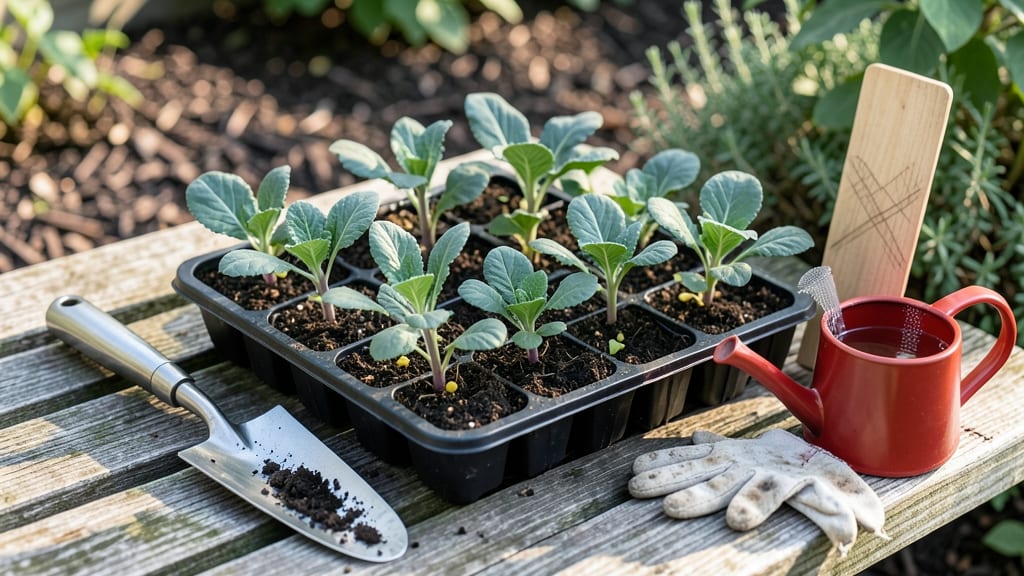
If you're dreaming of a lush 🥦 harvest in Zone 8b, timing your broccoli planting is the game-changer that separates success from disappointment. Planting too early in the heat can trigger bolting—turning your broccoli into bitter stems before you even get to taste it.
Zone 8b’s mild winters and hot summers make broccoli a finicky crop, but the secret lies in cooler months.
Whether you're a first-time gardener or a seasoned green thumb, knowing when to plant—whether it's late summer for fall harvests or early spring for summer crops—is the key to avoiding stress and maximizing your yield.
I’ve tested the best strategies for Zone 8b’s climate, from soil prep to frost timing, so you don’t have to learn the hard way. Let’s dive into the exact windows, varieties, and care tips that will give you the healthiest, most productive broccoli possible in your garden.
Ready to skip the guesswork? Here’s what you need to know to plant broccoli at the perfect time—so you can enjoy a harvest that’s as satisfying as it is delicious.
Optimal broccoli planting months in Zone 8b: avoiding heat-induced bolting
In Zone 8b, where winters are mild and summers can be scorching, timing your broccoli planting is critical to avoid heat-induced bolting. This cool-season crop thrives when daytime temperatures stay below 75°F (24°C), making late summer and early spring the sweet spots for success.
Planting outside these windows risks your plants sending up bitter flower stalks before you can harvest those prized heads.
Zone 8b gardeners have two prime planting windows: fall and spring. Fall planting lets you harvest before winter chill sets in, while spring planting aligns with cooling trends.
The key is starting seeds or transplants when soil temperatures drop below 70°F (21°C)—this threshold prevents premature bolting and ensures robust head formation.
Here’s your Zone 8b broccoli planting schedule broken down by season, with temperature thresholds and actionable steps to maximize your harvest:
| Planting Window | Ideal Months | Soil Temp Threshold | Days to Harvest | Key Action |
|---|---|---|---|---|
| Fall Planting | August–September | Below 70°F (21°C) | 60–90 days | Start seeds indoors 4–6 weeks before last frost or transplant young plants. |
| Spring Planting | February–March | Below 65°F (18°C) | 50–70 days | Direct-sow seeds or transplant hardened-off seedlings 2–3 months before last frost. |
| Extended Fall | October (coastal) | Below 60°F (15°C) | 45–60 days | Use shade cloth and mulch to protect from early heat spikes. |
*Coastal areas may extend fall planting into October with protection.
For fall planting, aim to have your broccoli mature before Zone 8b’s first frost (typically mid-December). Start seeds indoors in late July or early August, then transplant seedlings outdoors in August when nighttime temperatures dip below 65°F (18°C).
This timing lets you harvest heads in October–November, just as cooler weather arrives.
In spring, the goal is to beat the heat. Plant seeds or transplants in February–March so they mature by April–May, before daytime temperatures climb above 75°F (24°C). If you miss this window, consider shade cloth or succession planting every 2–3 weeks to stagger harvests and avoid bolting.
Prepare your soil by amending it with compost and a balanced fertilizer (5-10-10) to provide essential nutrients like nitrogen for leafy growth. Broccoli prefers well-draining soil with a pH of 6.0–7.0.
In Zone 8b’s heavier clay soils, mix in sand or peat moss to improve drainage and prevent waterlogged roots, which stress plants and accelerate bolting.
To extend your growing season, use row covers or cold frames in fall to protect plants from unexpected heat spikes. Mulch with straw or wood chips to keep soil cool and retain moisture.
In spring, provide afternoon shade with shade cloth (30–50%) to prevent soil from overheating, especially in inland areas where temperatures rise faster than coastal regions.
Monitor your plants for signs of stress, like yellowing leaves or premature flowering. These are red flags that your broccoli is bolting due to heat or drought.
Adjust your watering schedule to keep soil consistently moist—1–2 inches per week—and avoid overhead watering to prevent fungal diseases that weaken plants.
With the right timing and care, you can enjoy multiple broccoli harvests in Zone 8b: one in fall and another in spring.
The secret lies in planting when temperatures are ideal, protecting your crop from heat stress, and giving your soil the nutrients it needs to support strong, bolting-resistant plants.
How to choose broccoli varieties that tolerate Zone 8b’s climate
Zone 8b’s mild winters and warm springs demand heat-tolerant broccoli varieties to avoid bolting and ensure harvestable heads. The right variety can mean the difference between a bountiful fall crop and bitter stems. Let’s explore three top performers that thrive in this climate.
First, consider 'De Cicco', an Italian heirloom variety known for its exceptional cold hardiness and ability to tolerate light frosts. It’s perfect for fall planting in Zone 8b, producing compact heads that mature quickly before winter sets in.
'Calabrese' is another excellent choice, offering large, flavorful heads and a slightly longer harvest window. This variety handles cooler temperatures better than most, making it ideal for early spring or late fall plantings when temperatures hover around 60-70°F.
'Waltham 29' stands out for its heat tolerance and disease resistance, which is crucial in Zone 8b’s humid summers. It’s a reliable option for spring plantings when temperatures begin to rise, though it may require shade cloth during peak heat.
🥦 Broccoli Variety Comparison for Zone 8b
'De Cicco'
- ✅ Cold-hardy to 25°F
- ✅ Fast-maturing (50-60 days)
- ✅ Compact heads ideal for fall harvests
⚠️ Considerations
- ⚠️ Sensitive to heat above 80°F
- ⚠️ Limited spring suitability
'Calabrese'
- ✅ Large heads (2-3 lbs each)
- ✅ Tolerates 60-70°F well
- ✅ Longer harvest window
⚠️ Considerations
- ⚠️ Bolts in heat above 75°F
- ⚠️ Requires consistent moisture
'Waltham 29'
- ✅ Heat-tolerant up to 85°F
- ✅ Disease-resistant (ideal for humid summers)
- ✅ Spring-friendly with shade
⚠️ Considerations
- ⚠️ Slower to mature (60-90 days)
- ⚠️ Heads may loosen in extreme heat
For fall planting, prioritize 'De Cicco' or 'Calabrese'—both excel in cooler temperatures and can handle light frosts without bolting. Aim to plant 4-6 weeks before your first frost (typically late August to early September in Zone 8b) for a late fall harvest.
If you’re planting in early spring, 'Waltham 29' is your best bet, especially if you use shade cloth to protect seedlings from warming soil temperatures. Start seeds indoors 6-8 weeks before your last frost (around late January) to ensure strong transplants.
Remember, consistent moisture and well-draining soil are non-negotiable for any variety in Zone 8b. Mulch heavily to retain soil moisture and regulate temperatures, especially during spring’s unpredictable swings.