
Companion Plants
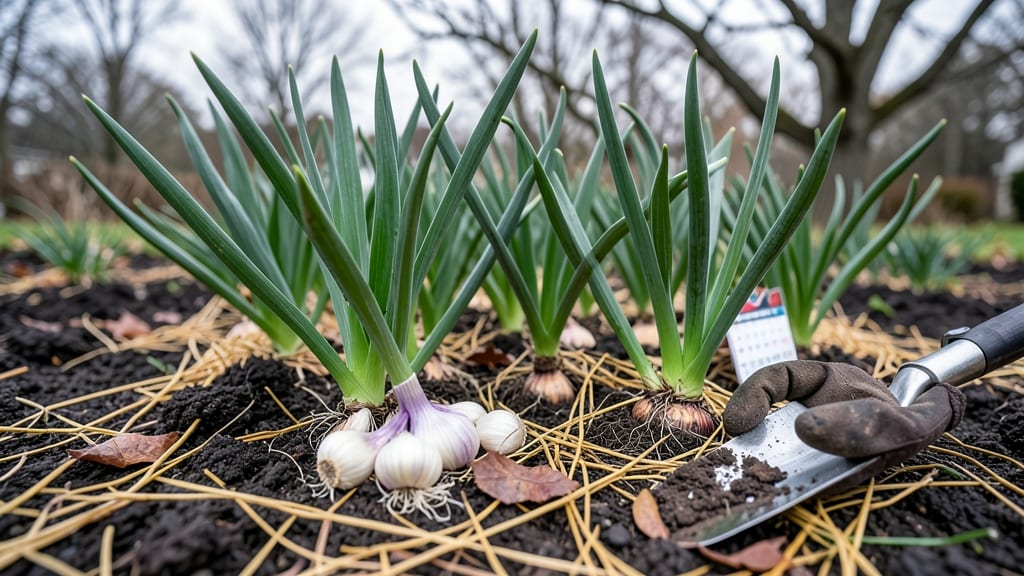
Planting garlic at the wrong time in Zone 7 can turn your 🧄 dreams into disappointment—but getting the timing right is simpler than you think. The key lies in understanding whether you're growing hardneck or softneck varieties, as each has its own ideal window for success.
For most gardeners in Zone 7, fall planting between October and November is the golden rule. This gives garlic enough time to establish roots before winter dormancy, setting the stage for robust growth when spring arrives.
But timing isn't just about the calendar—it's also about soil temperature and frost patterns unique to your specific microclimate.
I've learned that early spring planting in February can work too, though it requires more attention to soil prep and moisture. The difference between these two approaches comes down to bulb size and flavor development—something I'll break down so you can choose what works best for your garden goals.
Let's dive into the exact steps to plant garlic at the perfect moment, from soil prep to spacing, so you can enjoy a bountiful harvest come mid-summer. Your future meals will thank you!
Optimal planting months for garlic in Zone 7 (hardneck vs softneck differences)
Garlic thrives in Zone 7 when planted at the right time, but the ideal window depends on whether you're growing hardneck or softneck varieties. Hardneck garlic, known for its bold flavor and scape production, prefers fall planting to develop large bulbs.
Softneck varieties, which store longer and have milder flavor, are more flexible but still benefit from early fall or late winter planting.
In Zone 7, where first frost typically arrives around mid-October, timing is critical. Planting too early means garlic may sprout and get damaged by winter cold, while planting too late leaves insufficient time for root establishment before dormancy.
The 6-week window before ground freeze is your target—usually mid-October to early November.
I’ve found that hardneck garlic planted in late October yields the largest bulbs because it undergoes vernalization (a cold period) that triggers bulb development. Softneck varieties, however, can handle a slightly later planting in early November since they don’t rely as heavily on cold exposure for bulb formation.
For spring planting—a backup option if you miss fall—aim for early February in Zone 7. This gives garlic enough time to mature before summer heat sets in. However, spring-planted garlic often produces smaller bulbs with less intense flavor compared to fall-planted varieties.
| Variety | Best Planting Window | Why It Matters | Bulb Size & Flavor |
|---|---|---|---|
| Hardneck Garlic | Mid-October to early November | Needs vernalization for bulb development | Large bulbs, robust flavor |
| Softneck Garlic | Early November or early February | Less dependent on cold; stores longer | Medium bulbs, milder taste |
🌱 Note: Adjust dates based on your specific Zone 7 microclimate (e.g., coastal vs. inland).
The soil temperature is another key factor. Garlic cloves should be planted when soil temps are below 70°F but not yet frozen. In Zone 7, this usually aligns with October when daytime highs drop to the 60s°F.
Use a soil thermometer to confirm—planting in 60-65°F soil gives the best results.
If you’re in a warmer microclimate within Zone 7 (e.g., near the coast), you might push planting to early December. Conversely, in cooler inland areas, aim for late September to early October to avoid winter damage.
Always check your last frost date—garlic can tolerate light frost but not deep freezing.
Flavor development is directly tied to planting time. Hardneck garlic planted in October will have stronger, more complex flavors compared to spring-planted garlic. Softneck varieties, while less flavorful, benefit from longer growing seasons, which is why they’re often planted in fall or early spring for consistent yields.
Pro tip: Mark your calendar for 6 weeks before your first frost. This is your planting deadline for fall garlic. If you miss it, don’t despair—spring planting still works, but expect smaller harvests.
I’ve even had success with December plantings in mild Zone 7 winters, though yields were modest.
Remember, garlic is a perennial in Zone 7, meaning it can survive multiple winters. However, annual planting (replanting each fall) ensures the largest, most flavorful bulbs. For best results, rotate planting locations every year to prevent soil-borne diseases.
How to prepare your soil and garlic cloves for fall planting in Zone 7
Now that you know the ideal planting window, let's focus on preparing your Zone 7 soil and selecting the best garlic cloves for a thriving crop. Healthy soil and quality planting material are the foundation of a successful harvest, especially in our region's variable climate.
I've learned that even the hardiest garlic varieties need the right conditions to reach their full potential.
Start by testing your soil's pH level, which should be between 6.0 and 7.0 for optimal garlic growth. Most garden soils in Zone 7 fall within this range, but if your soil is too acidic, amend it with lime (1-2 pounds per 100 square feet) 2-3 months before planting.
For alkaline soils, add sulfur or peat moss to lower the pH gradually. I recommend testing your soil in early fall to give amendments time to work.
Garlic thrives in well-draining soil with a loose, crumbly texture. Before planting, work in 2-3 inches of compost or well-rotted manure to improve fertility and structure. Avoid fresh manure, which can burn garlic roots. Mix in a balanced fertilizer (5-10-10) at a rate of 1/2 cup per 100 square feet.
This provides essential nutrients without overfeeding, which can lead to excessive leaf growth at the expense of bulb development.
🌱 Zone 7 Garlic Planting Timeline
When should I plant garlic in Zone 7? Aim for 6 weeks before your first frost—typically mid-October to early November.
✅ Soil temp: 60-65°F (use soil thermometer)
✅ Clove size: Choose large, plump cloves (1-inch diameter)
✅ Planting depth: 2 inches deep, 4-6 inches apart
✅ Sun exposure: Full sun (6+ hours daily)
Selecting the right garlic cloves is equally important. Choose large, plump cloves (about 1-inch in diameter) from organic, untreated bulbs—the bigger the clove, the larger the bulb you'll harvest. Avoid cloves from store-bought garlic, as they've often been treated to prevent sprouting.
I recommend purchasing certified organic garlic seed from reputable suppliers or saving cloves from your best-producing bulbs each year.
Before planting, separate the cloves from the bulb and let them dry and cure for 1-2 days in a dry, shaded area. This prevents rot and helps establish a strong root system. Plant the cloves with the pointy end facing up—this is where the shoot will emerge.
The flat end should point downward, as this is where the roots will develop. In Zone 7, we can plant cloves directly in the ground or use raised beds for better drainage.
After planting, apply a 2-3 inch layer of mulch (straw, leaves, or grass clippings) to insulate the soil and retain moisture. This is especially important in Zone 7's winters, where temperature fluctuations can stress young plants.
The mulch will also suppress weeds and prevent soil erosion. Water lightly after planting to settle the soil around the cloves, but avoid overwatering, which can cause rot.
One final tip: Consider planting a cover crop like winter rye or clover in areas where you'll plant garlic the following year. These crops improve soil structure and add organic matter as they decompose.
In Zone 7, we can till them under in early spring just before planting. This practice has dramatically improved my garlic yields over the years by maintaining healthy, fertile soil.