
Plants
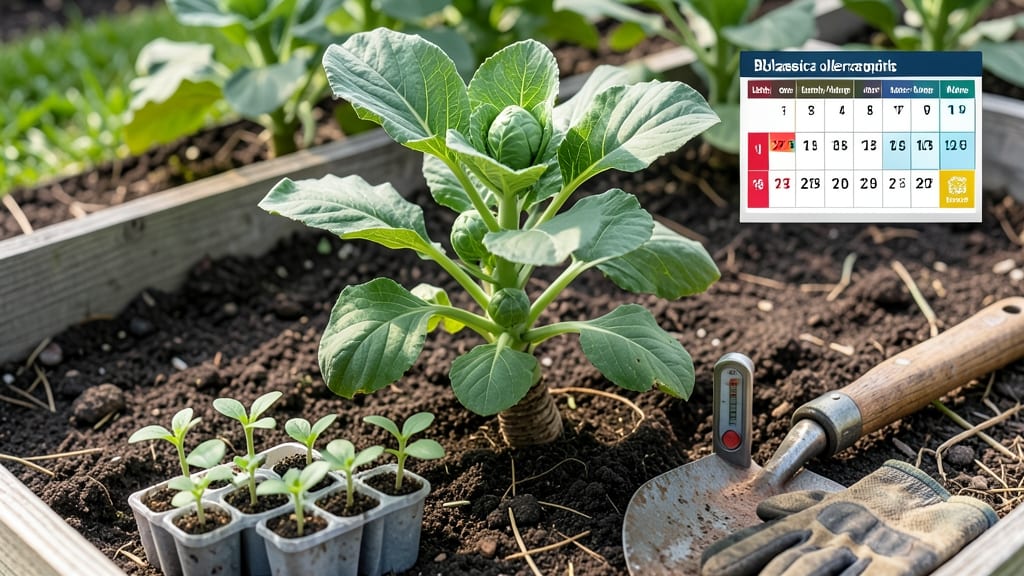
Planting Brussels sprouts 🥦 in New Jersey at the wrong time can turn your garden into a bitter disappointment instead of a flavorful harvest. This cold-hardy crop demands precision—too early, and they bolt; too late, and they struggle to mature before frost.
The key lies in understanding NJ’s unique frost dates and soil conditions, which vary dramatically between coastal areas and inland zones.
If you’ve ever wondered why some gardeners in 6a-7b zones pull off perfect Brussels sprouts 🥦 while others end up with stunted plants, timing is the secret.
The ideal windows—mid-April to early May for spring, or late July to early August for fall—align with soil temperatures that encourage strong root development without triggering early flowering. But here’s the catch: even within NJ, microclimates can shift these windows by weeks.
What if you could extend your harvest well into winter? The right strategies—like using row covers or choosing fast-maturing varieties—can turn NJ’s short growing season into an advantage. I’ll show you exactly how to time your plantings for maximum yield, whether you’re starting seeds indoors or transplanting seedlings outdoors.
Ready to grow Brussels sprouts 🥦 that taste sweeter than store-bought? Let’s dive into the cold-hardy schedule that’ll make your fall garden the envy of the neighborhood.
Best planting windows for brussel sprouts in NJ: frost dates and soil temps
New Jersey gardeners know timing is everything when growing brussel sprouts, especially in USDA zones 6a-7b. This cool-season crop thrives in two distinct planting windows: spring and fall.
Each offers unique challenges, from avoiding early bolting to preventing frost damage before harvest. Understanding your local frost dates and soil temperatures is key to unlocking sweet, flavorful sprouts.
Coastal areas like Cape May experience milder winters, while inland regions near Trenton or Newark face earlier frosts. For example, the average last frost date in Jersey City is April 15, but coastal areas may push this to May 1.
Meanwhile, inland zones like Morris County often see frost as early as November 1. These microclimates mean your planting schedule should adjust based on your exact location.
Brussel sprouts need 45-75°F soil temperatures to germinate and grow well. Soil that's too cold (<45°F) stalls germination, while temperatures above 75°F can trigger bolting—where plants flower prematurely, producing bitter sprouts.
Spring planting should occur when soil warms to 50°F, typically mid-April to early May, while fall planting thrives in 60-70°F soil, ideal from late July to early August.
Here’s a quick reference for NJ’s two planting windows, including frost dates, soil temps, and regional adjustments:
Spring planting is riskier because warm soil temperatures above 75°F can cause brussel sprouts to bolt, producing bitter sprouts.
To avoid this, start seeds indoors 4-6 weeks before your last frost date and transplant seedlings when soil temps drop below 70°F. For coastal NJ, this means waiting until early May, while inland gardeners can plant by mid-April.
Fall planting is often more reliable because cooler temperatures prevent bolting. However, planting too late—after August 15 in coastal areas or July 20 inland—risks poor flavor development before frost. Aim to harvest before the first hard frost, which typically hits November 1 inland and November 15 near the coast.
This gives you a 90-120 day growing window, perfect for varieties like ‘Long Island Improved’ or ‘Ruby Ball’.
If you’re unsure about your local frost dates, check the NJ State Climate Office or use a frost calculator tailored to your ZIP code. For example, Atlantic City gardeners can plant fall sprouts until August 20, while Sussex County may need to start by July 15.
Adjusting for these microclimates ensures your brussel sprouts mature with optimal flavor and texture.
Another pro tip: use row covers or cold frames to extend your harvest window. These tools can push your fall harvest into December, giving you fresh sprouts even as temperatures drop. Just remember to remove covers during the day to prevent overheating and fungal diseases.
Finally, always choose a sunny location with well-draining soil. Brussel sprouts need 6+ hours of sunlight daily and hate soggy roots. Amend your soil with compost before planting to improve drainage and fertility.
With the right timing and care, you’ll enjoy homegrown sprouts that taste sweeter and more flavorful than store-bought.
How to extend the growing season for longer harvests in NJ’s climate
New Jersey’s short growing season can feel like a race against time, but with the right strategies, you can coax Brussels sprouts to produce well into winter. The key is combining season extension tools with smart planting schedules to protect your crop from early frosts and pests.
I’ve tested these methods in my own garden and seen harvests stretch from October all the way to December—sometimes even later with careful planning.
One of the simplest ways to extend your harvest is by using row covers or low tunnels. These lightweight fabrics trap heat and shield plants from light frosts (28-30°F), allowing Brussels sprouts to mature even when temperatures dip.
I’ve used floating row covers to protect my plants during unexpected cold snaps, and they’ve added 2-3 extra weeks to my harvest window without any fuss.
Cold frames are another game-changer for NJ gardeners. Unlike row covers, they provide a more controlled environment, protecting plants from winds and heavier frosts (20-25°F). A well-insulated cold frame can extend your harvest by 4-6 weeks, but it requires monitoring to prevent overheating during sunny days. I’ve found that venting the frame on mild days keeps my plants thriving.
- 1 Succession Planting: Stagger plantings every 2-3 weeks from mid-July to early August. This ensures a continuous harvest as older plants mature while younger ones catch up. I’ve planted 3 batches in my garden, and it’s given me sprouts for 6+ weeks instead of just a few weeks.
- 2 Companion Planting: Pair Brussels sprouts with lettuce, radishes, or onions. These plants thrive in similar conditions and help deter pests like cabbage moths. In my garden, the radishes mature quickly, giving me an early harvest while the Brussels sprouts grow undisturbed.
- 3 Harvest Strategically: Pick sprouts from the bottom up to avoid damaging the plant. This method keeps the plant producing for weeks longer than harvesting all at once. I’ve found that harvesting every 3-5 days during peak season extends the life of the plant significantly.
- 4 Avoid Over-Fertilizing: Too much nitrogen late in the season can lead to bitter sprouts or weak stems. I’ve switched to a low-nitrogen fertilizer in September to maintain sweetness and structural integrity as temperatures drop.
- 5 Watch for Pests: Cabbage worms and flea beetles love Brussels sprouts. I’ve used neem oil and row covers to keep them at bay, especially in late summer when pests are most active. A single outbreak can ruin an entire plant, so prevention is key.
Another trick I’ve learned is to plant Brussels sprouts in containers. This gives you the flexibility to move them to a sheltered spot or even indoors during extreme cold snaps. Just ensure the container is large enough (at least 12 inches deep) to support the plant’s root system.
I’ve kept potted plants on my porch under a clear plastic cover during hard freezes, and they’ve continued producing sprouts for weeks longer than in-ground plants.
Timing your harvest is just as critical as extending the season. Brussels sprouts taste best after a light frost, which converts their starches into sugars. However, a hard frost (25°F or below) will damage the plant.
I’ve found that harvesting sprouts just before the first hard frost and storing them in the fridge for a week or two mimics the flavor-enhancing effects of frost without risking plant death.
By combining these strategies—row covers, cold frames, succession planting, and companion plants—you can turn NJ’s short growing season into a long, productive harvest. My garden now yields Brussels sprouts from late October through December, and I’ve even had a few stragglers survive into January with careful protection.
The key is to start planning early and stay flexible as the seasons change. 🌱