
Plants
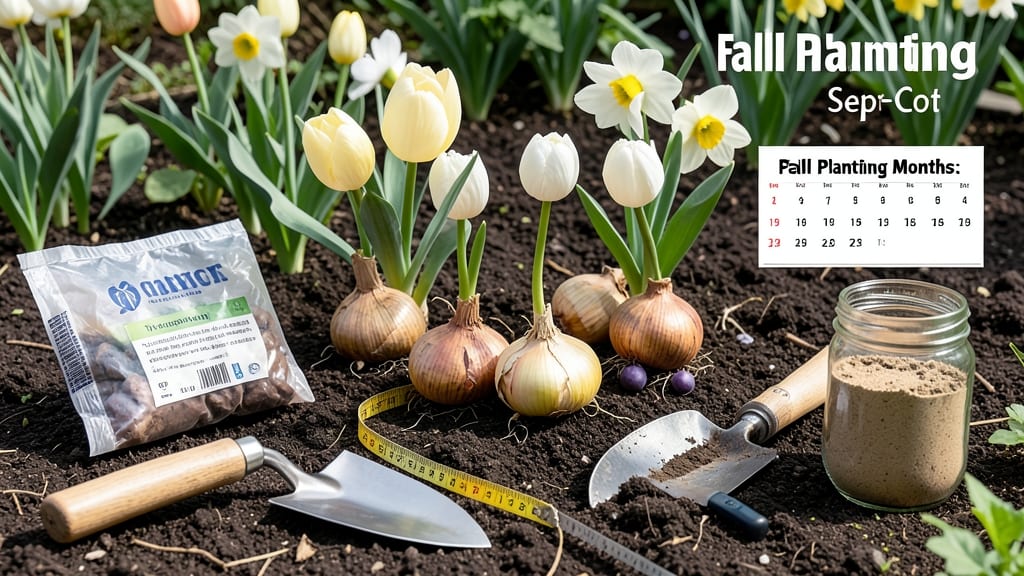
Planting your Spring Bulbs (e.g., Tulips, Daffodils, Hyacinths) 🌷 at the wrong time in South Carolina can mean the difference between a showstopping spring garden and a missed opportunity.
The key to vibrant blooms isn't just choosing the right bulbs—it's knowing exactly when to tuck them into the soil before winter sets in.
With South Carolina's USDA Zones 7b-8a and varying frost dates, timing matters more than you might think. Whether you're in the humid Lowcountry or the cooler Upstate, planting too early or too late can leave your bulbs vulnerable to rot or dormancy.
I’ll break down the perfect window—typically September through November—and why it’s critical for your garden’s success.
You might assume all bulbs follow the same schedule, but some varieties thrive with a little extra care. From daffodils that brave early frosts to tulips that need a little more protection, I’ll show you how to match your bulbs to the best fall planting months for your specific zone.
Let’s get those roots established just right so your garden bursts into color come spring.
Ready to transform your yard into a springtime paradise? The secret starts now—with the right timing, soil prep, and a few pro tips tailored just for South Carolina gardeners. Let’s dig in.
Best fall planting months for South Carolina bulbs: exact timing by Zone
South Carolina’s mild winters and humid climate create perfect conditions for fall bulb planting, but timing is critical. The ideal window spans from late September to mid-November, aligning with soil temperatures and frost dates.
In USDA Zones 7b-8a, this translates to planting before the ground freezes—typically by November 15 in most regions.
For gardeners in the Upstate (Zone 7b), cooler temperatures arrive earlier, so aim to finish planting by early November. Meanwhile, the Lowcountry (Zone 8a) offers a slightly extended window, allowing planting through mid-to-late November. Understanding these regional differences ensures your bulbs establish roots before winter sets in.
Soil temperature is your best guide: bulbs need 60°F or cooler for optimal root growth. Use a soil thermometer to confirm readiness—planting too early in warm soil can cause premature sprouting.
In Greenville (Zone 7b), soil temps drop below 60°F by mid-October, while Charleston (Zone 8a) may wait until late October.
Here’s your zone-specific planting timeline to maximize success:
Regional frost dates vary significantly. The Upstate (e.g., Greenville) typically sees its first frost by November 15, while the Lowcountry (e.g., Charleston) may hold off until December 1.
Use the National Weather Service or local Cooperative Extension offices for real-time updates. Planting too late risks bulbs rotting in cold, wet soil.
For tulips and daffodils, aim to plant by October 15 in most zones—these bulbs need time to establish roots before winter. Hyacinths and crocuses, however, are more forgiving and can handle later plantings through November.
Always plant bulbs 6 inches deep and 6 inches apart for optimal airflow and growth.
Don’t overlook soil preparation. South Carolina’s clay-heavy soils in the Upstate and sandy soils near the coast both benefit from amending with compost or organic matter before planting.
This improves drainage and nutrient availability, helping bulbs thrive. A light application of bone meal at planting time can also boost early root development.
Once planted, water deeply to settle the soil and encourage root growth. After that, reduce watering—bulbs need minimal moisture during dormancy. Mulch with 2-3 inches of straw to insulate soil and protect bulbs from temperature fluctuations. This is especially important in Zone 7b, where winters can be harsher.
Pro tip: Mark your planting spots with stakes or flags to avoid disturbing bulbs in spring. Many gardeners mistakenly dig up newly sprouted foliage, thinking it’s weeds.
Let the leaves die back naturally—they’re powering next year’s blooms! With these timing tips, your South Carolina garden will burst with color come spring.
Spring-blooming vs. fall-blooming bulbs: which to plant when in SC
Choosing the right bulbs for your South Carolina garden depends on when you plant and when you want blooms. Most gardeners focus on spring-blooming bulbs like tulips and daffodils, but fall-blooming varieties like crocuses and fall daffodils also thrive here.
The key is matching your planting timeline to SC’s USDA Zones 7b-8a and frost dates.
Spring-blooming bulbs—such as tulips, hyacinths, and daffodils—need to be planted in fall (September-November) to establish roots before winter. In contrast, fall-blooming bulbs like crocuses and autumn crocus can be planted in either early fall or late summer. Understanding these differences ensures your garden stays colorful year-round.
Spring-Blooming Bulbs
Fall-Blooming Bulbs
For spring blooms, prioritize tulips and daffodils—plant them in October for the best results in SC. These bulbs need 6-8 weeks of cool weather to root before winter. In contrast, fall-blooming crocuses can handle late summer planting (August) or early fall, making them more forgiving.
South Carolina’s humid summers can stress bulbs, so always plant spring-bloomers in well-draining soil and mulch after planting. For fall-bloomers, avoid planting too early—they may sprout prematurely. Aim for 60°F soil temperatures (ideal for most bulbs) before planting.
Pro tip: Mix spring and fall bulbs in the same bed for year-round interest. For example, plant daffodils (spring) alongside autumn crocus (fall). This creates a continuous bloom cycle and maximizes your garden’s beauty.
Remember, timing is critical—miss the window, and your bulbs may rot or fail to bloom. Use your local frost date (mid-November) as a guide: plant 6-8 weeks before the first frost for spring blooms, or 4-6 weeks before for fall blooms. 🌷