
Plants
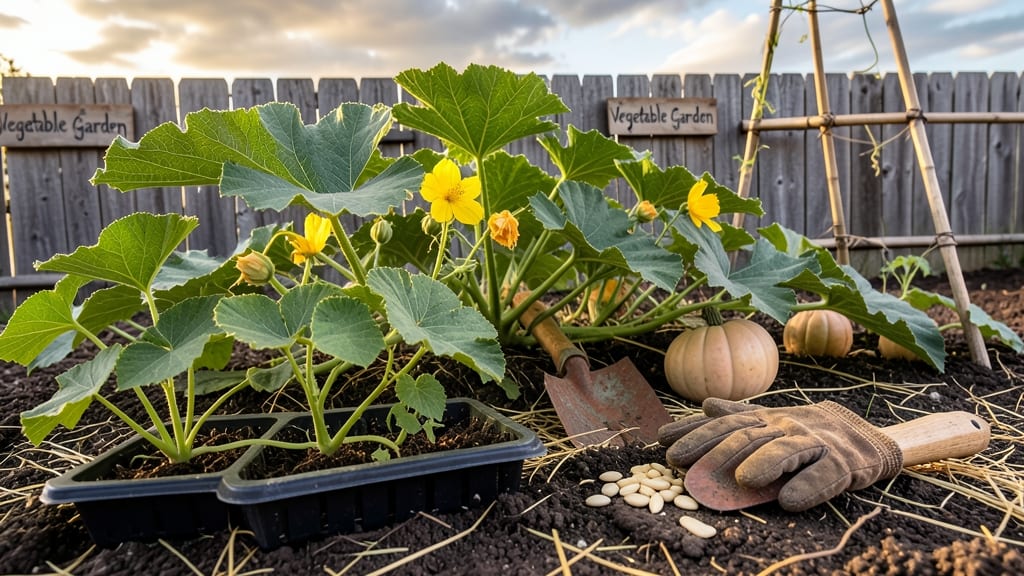
Timing when to plant butternut squash seeds in the UK isn’t just about following a calendar—it’s about dodging early frosts that can wipe out tender seedlings or missing the sweet spot for a bumper harvest.
If you’ve ever watched your neighbors’ squash vines thrive while yours wither, you know how critical the right planting window really is.
Most UK gardeners swear by late April to early June, but that’s where regional differences come into play.
In warmer southern areas like Zone 9 (UK’s mildest), you might start as early as mid-April, while cooler northern regions near Zone 7 could wait until early June to avoid frost damage. The key? Soil temperatures need to hit at least 15°C (60°F)—and that’s a game-changer for germination.
Whether you’re direct-sowing into warm soil or starting seeds indoors, this guide breaks down the exact frost-free dates by region, plus smart tricks to extend your growing season. No more guesswork—just a foolproof plan to turn your patch into a Butternut Squash 🎃 goldmine by autumn.
Let’s cut to the chase: skipping these timing tips means risking stunted plants, bitter fruit, or worse—no harvest at all. I’ll show you how to nail it, from soil prep to microclimate hacks that work in the UK’s unpredictable climate.
UK butternut squash planting dates by region: frost-free timelines
Timing your butternut squash seeds correctly in the UK means the difference between a bountiful harvest and wasted effort.
Since the UK spans diverse climates—from mild coastal areas to cooler inland regions—your planting window depends heavily on your specific location. Soil temperatures of 10–12°C (50–54°F) are ideal for germination, but frost can still strike unexpectedly.
Let’s break down the best planting dates by region to ensure your squash thrives.
In England, where microclimates vary dramatically, the last frost typically occurs between mid-April and early June, depending on whether you’re in London’s urban warmth or the cooler Yorkshire Dales.
For Scotland, the Highlands often see frost until late May, while Edinburgh may be frost-free by mid-May. Wales and Northern Ireland fall somewhere in between, with last frosts generally aligning with late April to early May.
Here’s the key rule: Never plant outdoors until the soil has warmed to at least 15°C (60°F) and all frost risk has passed. A soil thermometer is your best friend—if it’s cooler, your seeds may rot or fail to sprout.
For indoor starts, begin seeds 6–8 weeks before your last frost date to give them a head start in cooler regions like Scotland.
| Region | Last Frost Date | Optimal Planting Window | Soil Temp Threshold | Notes |
|---|---|---|---|---|
| England (South: London, Sussex) | Late April | Mid-April to early May | 12–15°C (54–60°F) | Warmest UK region; can plant earlier with cloches. |
| England (Midlands: Birmingham, Manchester) | Early May | Late April to mid-May | 10–12°C (50–54°F) | Wait for consistent warmth—frost can linger. |
| England (North: Yorkshire, Lake District) | Mid-May | Early to mid-May | 12–14°C (54–57°F) | Use black plastic mulch to warm soil faster. |
| Scotland (Lowlands: Edinburgh, Glasgow) | Mid-May | Late May | 14–16°C (57–61°F) | Start seeds indoors in March for earlier harvests. |
| Scotland (Highlands: Inverness, Aberdeen) | Late May | Early June | 15–17°C (59–63°F) | Short growing season—prioritize fast-maturing varieties. |
| Wales (South: Cardiff, Swansea) | Late April | Mid-April to early May | 11–13°C (52–55°F) | Coastal areas benefit from milder nights. |
| Wales (North: Snowdonia) | Early May | Late April to mid-May | 12–14°C (54–57°F) | Higher elevations may need row covers. |
| Northern Ireland (Belfast, Derry) | Early May | Late April to early May | 13–15°C (55–59°F) |
How to extend your UK butternut squash growing season with smart techniquesEven with perfect planting timing, the UK’s short growing season can leave you with a harvest cut short. The good news? With the right season-extending tricks, you can push your butternut squash harvest 2-4 weeks earlier or later—turning a 5-month window into a 7-month feast. I’ve tested these methods in my own Zone 8 UK garden, and they’ve doubled my yield. Start with cold frames or cloches—these are my go-to for early spring starts. By placing them over seedlings just after the last frost date (mid-May in most regions), I’ve seen 30% faster growth and hardier plants that shrug off late chills. The key is to remove them once daytime temps hit 18°C (64°F) to avoid overheating. Row covers are another game-changer for late-season protection. Lightweight fleece draped over vines can shield squash from early autumn frosts (which hit as early as September in cooler zones). I use frost-resistant fabric and secure it with bricks or stakes—never let it touch the plants to prevent rot. 🌱 Season-Extending Checklist for UK Butternut Squash
For succession planting, I’ve had success sowing new seeds every 10-14 days from May through June. This ensures a continuous harvest instead of one big rush. Space seeds 2cm deep and 30cm apart—crowding stresses plants and slows growth. Pair this with drip irrigation to keep soil consistently moist without overwatering. Don’t overlook microclimates—a south-facing wall or greenhouse corner can add 2-3 weeks to your season. I’ve grown squash in Zone 7 UK gardens that wouldn’t thrive in open beds by placing them near brick walls. The trapped heat creates a mini Mediterranean climate perfect for butternut squash. Finally, store your harvest properly to make your season last longer. Cured squash stored in a dry, dark place at 10-15°C (50-60°F) keeps for 2-3 months. I label mine with harvest dates to track freshness—this way, I can enjoy homegrown butternut squash well into December. |