
Flowers
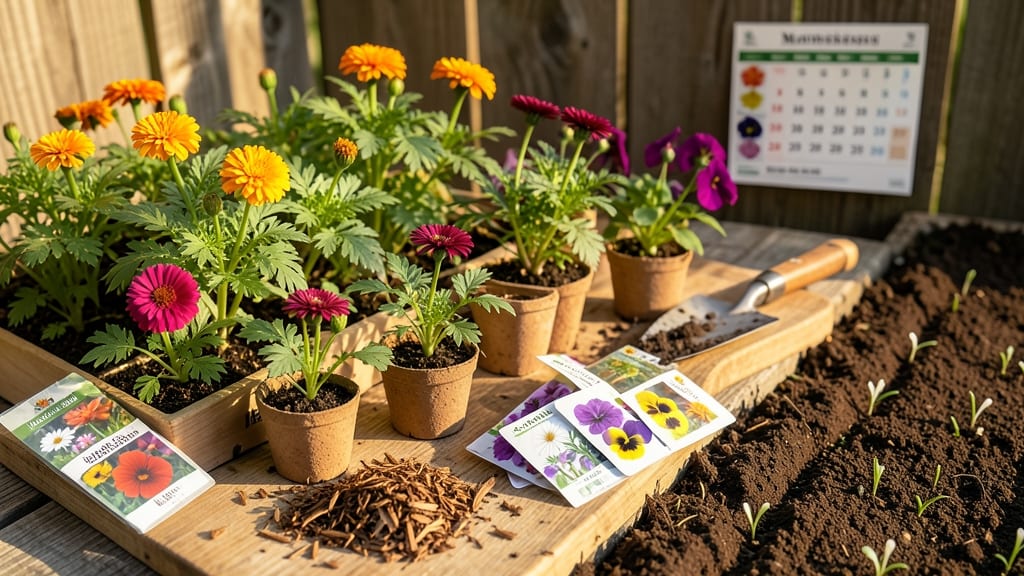
Planting flower seeds in Massachusetts at the wrong time can mean the difference between a garden bursting with color and a season of disappointment. With USDA Zone 6a frost dates running from April 15 to October 15, timing is everything for your 🌸 blooms to thrive.
Whether you're dreaming of vibrant annuals or hardy perennials, knowing when to start seeds indoors or sow directly outdoors makes all the difference. The key lies in understanding your local frost patterns and matching them to each flower's needs.
I'll walk you through the perfect planting windows for spring and fall, plus which flowers perform best in Massachusetts' climate. From early spring starts to late-summer bloomers, you'll learn exactly when to prepare your soil and get those seeds in the ground.
Ready to transform your garden? Let's dive into the exact dates and strategies that will give you the most stunning flower displays all season long.
Massachusetts frost-free dates by hardiness zone: key planting windows
Massachusetts spans USDA hardiness zones 5a-7a, meaning frost dates vary dramatically from the coastal regions to the inland valleys. In zone 5a (western MA), the last frost typically arrives around May 15, while zone 7a (southeastern MA) sees frost-free conditions by April 15.
Understanding these windows is critical for annual flowers that won't survive frost and perennials that need time to establish before winter.
For annual flower seeds, timing is everything—plant too early, and frost will kill tender seedlings. Too late, and your garden will miss peak bloom seasons. The key is aligning your planting with last frost dates while accounting for each variety's days to maturity.
For example, zinnias (60-70 days to bloom) need to be sown by mid-May in northern MA, while marigolds (50-60 days) can handle a later start.
Here's how to use this guide: First, identify your hardiness zone (use the USDA map or local extension office). Then, match your flower type to the appropriate planting window. Cool-season annuals like pansies can handle early spring plantings, while heat-lovers like sunflowers need to wait until after the last frost.
Perennials often have broader windows but benefit from early spring starts to establish strong roots before summer heat.
Pro Tip: Always check your local microclimate—valleys freeze later than hilltops, and coastal areas stay warmer longer. For extra safety, use frost cloth or start seeds indoors 4-6 weeks before the recommended outdoor date. This buffer ensures your flower seedlings are ready when Mother Nature is.
Now that you've pinpointed your frost-free date, let's break down planting windows by flower type. Cool-season annuals like pansies and snapdragons can be sown as early as March in zone 7a or April in zone 5a.
These hardy flowers tolerate light frosts and even thrive in cooler weather, making them ideal for early spring color. For warm-season annuals (e.g., petunias, geraniums), wait until after your last frost date—planting too soon risks seedling death from unexpected cold snaps.
Perennials offer more flexibility but still need strategic timing. Hardy perennials like coneflowers and black-eyed Susans can be planted in early spring (March-April) to establish roots before summer heat. Tender perennials like dahlias or canna lilies should wait until mid-May in northern MA or early May in southern regions.
Dividing perennials in early spring (before new growth) or early fall (6 weeks before frost) gives them the best chance to thrive.
Don't overlook fall planting, which is perfect for cool-season annuals and winter-hardy perennials. Seeds sown in August-September will germinate, grow slowly in cool weather, and produce early spring blooms the following year.
This strategy also extends your bloom season—think pansies in October or calendulas in November for cheerful winter color. Just be sure to plant 6-8 weeks before your first frost to allow sufficient growth.
For heat-loving annuals like zinnias or sunflowers, consider succession planting—sow new seeds every 2-3 weeks after your last frost date. This ensures a continuous bloom from summer through early fall. In zone 5a, start your first batch around May 15, while <
Best flower seeds to plant by month in Massachusetts gardens
Massachusetts gardeners know the last frost date around April 15 signals the start of outdoor planting season. But timing varies by flower type—cool-loving pansies and snapdragons can handle early starts, while zinnias and marigolds thrive when soil warms.
Southern MA (Zone 6b-7a) has a 2-3 week advantage over northern regions (Zone 5a-6a), so adjust accordingly.
For continuous blooms, I recommend a mix of early spring, summer, and fall-planted varieties. Start with cool-season flowers like lobelia and sweet alyssum in March, then transition to heat-lovers like cosmos and sunflowers by June. Fall planting (August-September) brings mums and asters for late-season color.
🌱 Monthly Flower Planting Guide for Massachusetts
- March: Start pansies and snapdragons indoors (6-8 weeks before last frost). Direct-sow lobelia and sweet alyssum in protected beds.
- April: Plant calendulas and stock outdoors after soil reaches 40°F. Transplant petunias and geraniums when nights stay above 45°F.
- May: Sow cosmos, zinnias, and marigolds directly after last frost. Add nasturtiums for edible blooms and pest control.
- June: Start sunflowers and black-eyed Susans for late-summer blooms. Succession plant bachelor's buttons every 2 weeks.
- July: Direct-sow fall-blooming varieties like mums and asters (4-6 weeks before first frost). Add cleome for vertical interest.
- August: Plant pansies and sweet peas for fall/winter color. Use row covers to extend season in cooler zones.
- September: Sow hardy perennials like coneflowers and black-eyed Susans for next year. Mulch heavily to protect roots.
Pro Tip: Adjust dates 1-2 weeks earlier for southern MA (Zone 6b-7a) and 1-2 weeks later for northern MA (Zone 5a-6a).
Northern Massachusetts gardeners should prioritize heat-tolerant annuals like zinnias and sunflowers for reliable blooms, while southern regions can experiment with tropical-inspired flowers like celosia and canna lilies. Always check your local frost dates—they can shift ±10 days yearly.
For perennial powerhouses, focus on coneflowers and bee balm in early spring (March-April) and Russian sage in late spring (May). These low-maintenance plants return year after year with minimal effort. Pair them with annuals for seasonal variety.
Don't forget succession planting! Stagger marigold and basil plantings every 2 weeks from May through July to ensure continuous blooms and pest control all season. This simple trick maximizes your garden's potential without extra space.
With this month-by-month guide, your Massachusetts garden will bloom from spring to frost. Start with just a few varieties to build confidence, then expand next year. Happy planting! 🌻