
Plants
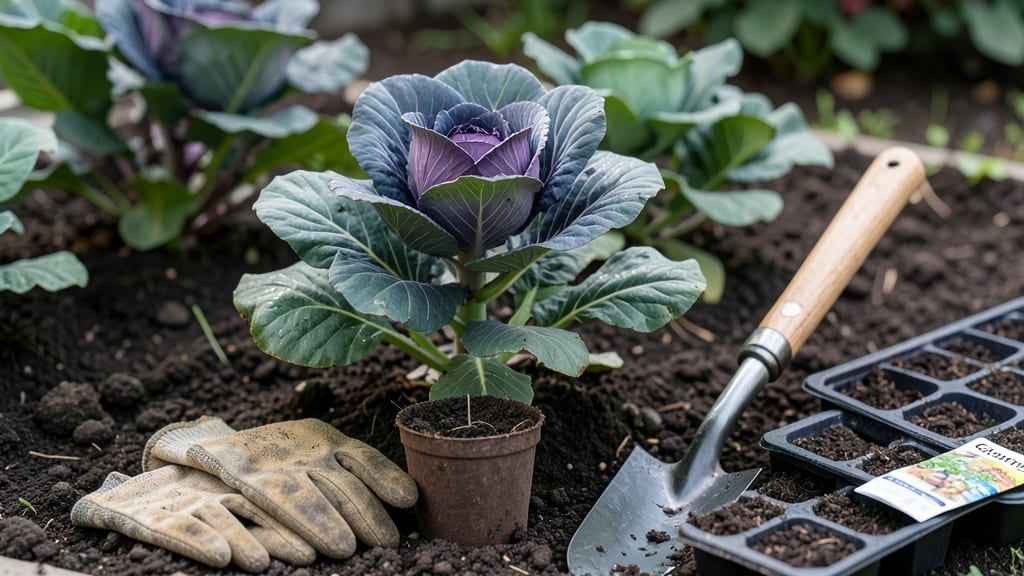
Planting your 🥬 cabbage at the wrong time in Zone 7b can mean the difference between a crisp, homegrown harvest and bitter disappointment—because when those plants bolt, you lose everything.
The key to avoiding this common mistake lies in understanding the two perfect windows that work best for your climate, and most gardeners miss one of them.
If you've ever wondered why your cabbage plants suddenly shoot up into flowers instead of forming heads, the answer is likely timing.
In Zone 7b, where last frosts hit around mid-March and first frosts arrive by mid-November, planting too early or too late throws off the entire growth cycle. The solution?
Start seeds indoors 6-8 weeks before your last frost date or transplant young seedlings once soil warms to 45°F—but there's more to it than just dates.
What you'll discover here is how to extend your cabbage season with both spring and fall plantings, which varieties thrive in Zone 7b's heat, and exactly when to sow seeds for each harvest.
Whether you're aiming for a May-June crop or a fall-winter supply, these strategies will help you avoid the stress that leads to bolting and ensure your garden delivers.
Let's dive into the exact planting schedule that works for your zone, including soil prep, spacing tips, and post-planting care to keep your cabbage happy—and heading strong—until harvest time. Your future crisp, homegrown 🥬 is waiting.
Optimal planting windows for cabbage in Zone 7b (spring vs. fall)
In Zone 7b, where last frost typically arrives around March 15 and first frost hits November 15, timing your cabbage planting is critical to avoid bolting—that bitter transition from leafy heads to flower stalks.
The two best windows are early spring and late summer/fall, each with unique soil and temperature requirements. Let’s break down the best strategies for both.
Spring planting in Zone 7b starts 4-6 weeks before your last frost, usually in late February to early March. This gives seedlings enough time to mature before summer heat triggers bolting.
Fall planting, however, happens 8-10 weeks before your first frost, typically in late August to early September, allowing heads to form before winter slows growth. Both windows require careful planning to balance soil warmth and day length.
For spring planting, I recommend starting seeds indoors 6-8 weeks before your last frost (around January 15 for Zone 7b). This gives you a head start on the 60-90 day growth cycle needed for mature heads.
If you’re direct sowing, wait until soil temperatures stabilize above 45°F, usually by mid-March. Use black plastic mulch to warm the soil faster and deter weeds.
Transplanting 4-6 week old seedlings is often easier than direct sowing in spring, as it gives you more control over spacing and reduces competition. Space seedlings 18-24 inches apart in rows 24-36 inches apart to allow for head development.
Avoid planting too early—cold soil can stunt growth, while planting too late risks heat-induced bolting before heads form.
Fall planting in Zone 7b requires a different approach. Start seeds indoors 8-10 weeks before your first frost (around September 1) or transplant 6-week-old seedlings in late August.
The goal is to harvest before winter sets in, so aim for 50-70 day varieties like 'Golden Acre' or 'Cavalo', which tolerate cooler temperatures better. Use row covers in early fall to extend the season and protect young plants from light frosts.
One common mistake is assuming direct sowing works well in fall. In Zone 7b, summer heat can still stress seedlings, so I always recommend transplanting hardened-off seedlings instead.
Harden them by gradually reducing indoor humidity and exposing them to outdoor conditions for 7-10 days before planting. This toughens their stems and reduces transplant shock.
To prevent bolting in both seasons, monitor soil moisture and temperature closely. Cabbage hates fluctuating conditions, so mulch with straw or shredded leaves to keep soil temps stable. In spring, watch for days over 80°F, which can trigger bolting.
In fall, protect plants from early frosts with row covers or move containers indoors if temperatures dip below 30°F.
Pro tip: If you’re short on space, try succession planting in spring by sowing seeds every 2 weeks until mid-April. This stretches your harvest window and reduces the risk of bolting all plants at once.
For fall, a single planting in late August usually suffices, but you can try a second planting in early September for a late-winter harvest.
Remember, cabbage is a cool-season crop, so it thrives when day lengths shorten in fall. This is why fall plantings often produce sweeter, tighter heads than spring ones.
Just be mindful of pest pressure—cabbage worms and aphids love fall-grown cabbage, so inspect plants weekly and use neem oil or row covers as needed.
By mastering these two planting windows, you’ll enjoy crisp, homegrown cabbage from late spring through winter—no bolting in sight! 🥬
How to extend your cabbage season: succession planting & variety selection
If you're growing cabbage in Zone 7b, you don't have to settle for just one harvest. With the right succession planting strategies, you can enjoy fresh heads from spring through fall.
The trick lies in choosing the right varieties and timing your plantings to avoid the heat that triggers bolting. In my garden, I've found that staggered plantings every 2-3 weeks give me a steady supply of cabbage all season long.
Zone 7b's climate presents unique challenges—summer heat can cause cabbage to bolt prematurely, while late fall frosts can ruin your harvest if you're not careful. That's why I focus on heat-tolerant varieties like 'Cavalo' and 'Golden Acre', which handle the summer heat better than traditional types.
These varieties also mature faster, giving you more flexibility in your planting schedule. For example, 'Golden Acre' typically matures in 55-65 days, while 'Cavalo' takes about 70-80 days.
Here's how I extend my cabbage season using succession planting and the right varieties:
| Variety | Days to Maturity | Best Planting Time | Heat Tolerance | Shade Needs |
|---|---|---|---|---|
| 'Golden Acre' | 55-65 days | March-April, August-Sept | High | 30% shade in summer |
| 'Cavalo' | 70-80 days | March-April, July-August | Very High | 40% shade in summer |
| 'Early Jersey Wakefield' | 50-60 days | March-April, August-Sept | Moderate | 20% shade in summer |
| 'Red Express' | 60-70 days | March-April, July-August | Moderate | 30% shade in summer |
For summer plantings, I use shade cloth to protect my cabbage from the intense Zone 7b sun. A 30-40% shade cloth reduces heat stress while still allowing enough light for growth. I stake the cloth above the plants to avoid direct contact, which can cause moisture issues.
This simple trick has helped me extend my growing season by 4-6 weeks into the summer months when other gardeners are giving up.
Another key strategy is succession planting every 2-3 weeks. Start with your first planting in early March for a spring harvest, then repeat every 2-3 weeks until late June. For fall harvests, begin your last planting in early August and continue through mid-September.
This staggered approach ensures a continuous supply of fresh cabbage without overwhelming your garden space at once.
Don't forget to monitor your soil temperature—cabbage prefers 50-75°F soil. If your summer soil gets too hot, consider using mulch or planting in raised beds with good air circulation.
With these techniques, you can enjoy homegrown cabbage from May through November in Zone 7b, giving you a longer harvest window than most gardeners achieve. 🥬