
Plants
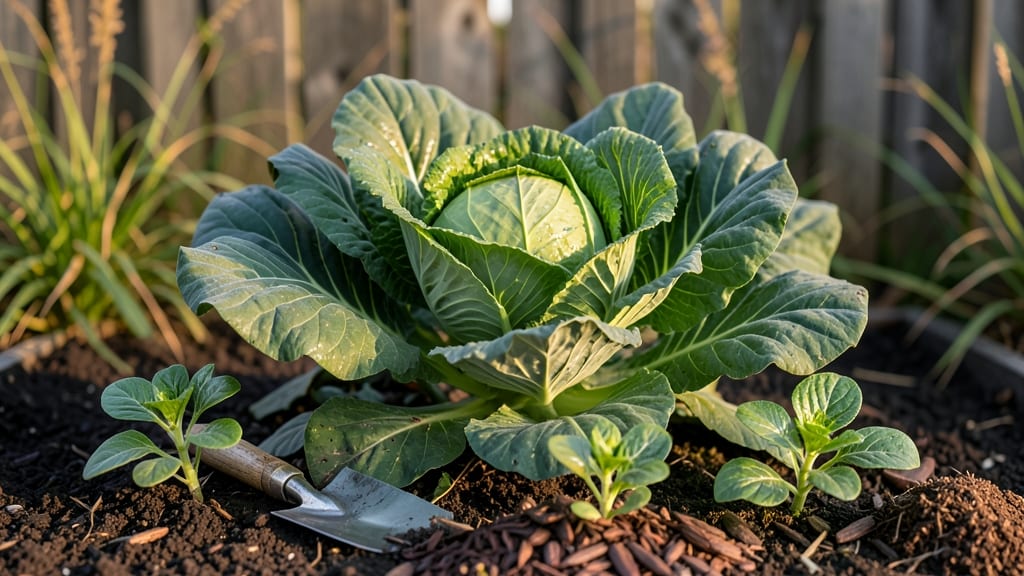
Planting cabbage in Zone 8a at the wrong time can turn your crisp, sweet heads into bitter, bolted disappointment—and no one wants that!
The key is timing those seedlings between February and early March for spring harvests or late summer for fall crops, when temperatures stay cool enough to prevent bolting.
I’ve learned the hard way that Zone 8a’s mild winters and warm springs demand precision. Too early, and your 🥬 will bolt before forming heads. Too late, and summer heat will stress the plants.
But with the right months and a few tricks, you can enjoy fresh cabbage from spring through fall.
In this guide, I’ll break down the exact planting windows, how to adjust for your microclimate, and even how to extend your season with shade and mulch. Whether you’re a first-time gardener or a seasoned pro, these tips will help you grow cabbage that’s tender, flavorful, and ready to harvest.
Ready to avoid the bolting blues? Let’s dive into the best times to plant—and keep your cabbage thriving in Zone 8a’s unique climate.
Best planting windows for cabbage in Zone 8a: exact months to avoid bolting
Cabbage in Zone 8a demands precision timing to avoid bolting—the bitter, flower-stalked fate that ruins your harvest. Unlike cooler zones, Zone 8a's mild winters and long summers create a narrow window where cabbage thrives.
The key? Planting when soil temps stay below 75°F and days are cool but frost-free. Miss this window, and your cabbage will bolt faster than you can say "pesto."
For spring cabbage, aim for February to early March—just as the last frost (average February 15) passes but before soil heats up. Fall plantings work too, but timing shifts based on your first frost date (average November 15).
Rural areas may have 2-3 weeks earlier frost than urban zones due to heat islands, so adjust accordingly.
| Planting Window | Ideal Months | Soil Temp Threshold | Days to Maturity | Bolting Risk |
|---|---|---|---|---|
| Spring Planting | February–Early March | 45°F–65°F | 75–100 days | Low (if planted early) |
| Late Summer/Fall Planting | August–Early September | 60°F–70°F | 60–80 days | Moderate (heat stress) |
| Urban Microclimate Adjustment | March 1–15 (spring) | 50°F–60°F | 70–90 days | High (heat island effect) |
| Rural Microclimate Adjustment | February 20–March 5 | 40°F–55°F | 80–100 days | Low (cooler nights) |
Your first frost date is the anchor for fall planting. In Zone 8a, count back 75–90 days from your average November 15 frost date to land on your late summer planting window.
For example, if your frost arrives November 1, plant by August 1 for a harvest before cold sets in. Use shade cloth if temps hover near 80°F to delay bolting.
Urban gardeners face extra challenges: heat islands can push soil temps 5–10°F higher than rural areas. If your backyard hits 85°F by noon, shift planting to early March or use black plastic mulch to cool roots.
Rural growers, meanwhile, can plant 2 weeks earlier thanks to cooler microclimates. Test soil temps with a soil thermometer—aim for 50–65°F at planting.
Cabbage varieties also play a role. Heat-tolerant types like 'Cavalo' or 'Golden Acre' handle 75°F better than 'Early Jersey Wakefield', which bolts at 70°F. Pair your planting window with the right variety to stretch your season.
For example, plant 'Golden Acre' in late August for a fall harvest, while 'Early Jersey Wakefield' thrives in February plantings.
Succession planting works in Zone 8a, but space it carefully. Sow new seeds every 2 weeks from February to April for a staggered harvest. Avoid planting after mid-April unless you’re using shade cloth—by May, even partial sun can trigger bolting.
For fall, stick to one planting in August unless you’re experimenting with winter storage varieties like 'January King'.
Watch for false starts: a warm spell in February might trick you into planting early. Wait until soil temps stay below 65°F for 5 consecutive days before transplanting.
Harden off seedlings gradually—expose them to Zone 8a’s mild days (60–70°F) for 1 week before moving them outdoors. This toughens their leaves and reduces transplant shock.
Bolting isn’t just about heat—drought stress triggers it too. In Zone 8a’s dry summers, water deeply 2–3 times per week to keep soil moist. Use drip irrigation to avoid wetting leaves, which can cause black rot. Mulch with
How to extend your cabbage season in Zone 8a: cooling tricks for late summer plantings
Late summer heat in Zone 8a can turn your cabbage dreams into bolting disasters. But with the right cooling strategies, you can push your planting window later than usual. The key is creating a microclimate that mimics cooler spring conditions, keeping your plants happy until frost arrives.
Even if you miss the ideal March-April window, you can still grow cabbage successfully in August or early September by using these science-backed techniques. The goal is to keep soil temperatures below 75°F and provide afternoon shade to prevent stress. Let’s dive into the most effective methods.
- 1 Shade Cloth Magic: Use 30-50% shade cloth to block intense afternoon sun. Install it by mid-August when temps consistently exceed 85°F. Secure it 2-3 feet above plants to allow airflow.
- 2 Mulch Like a Pro: Apply 4-6 inches of straw mulch around plants to insulate roots. This keeps soil 5-10°F cooler and retains moisture. Replenish every 2-3 weeks as it breaks down.
- 3 Companion Cooling: Plant radishes or bush beans nearby—they shade soil naturally and improve soil structure. Avoid planting near tomatoes or strawberries, which compete for nutrients.
- 4 Watering Hacks: Use drip irrigation to deliver water directly to roots. Run it for 15-20 minutes twice daily—morning and late afternoon—to prevent wilting. Avoid overhead watering after 4 PM to reduce fungal risks.
- 5 Variety Selection: Choose heat-tolerant varieties like 'Golden Acre' or 'Savoy King'. These handle 80°F+ temps better than standard types. Look for labels specifying "slow bolting" traits.
Don’t forget to monitor your plants daily for signs of stress. Wilting leaves or yellowing edges mean it’s time to adjust your shade or watering routine. With these tricks, you can extend your cabbage season by 4-6 weeks in Zone 8a, giving you a second harvest before winter sets in.
For the best results, combine shade cloth with mulching and drip irrigation. This trio creates the perfect cooler microclimate, allowing your cabbage to thrive even as summer lingers. Start implementing these strategies by mid-August to maximize your late-season success.
Pro tip: Keep a garden journal to track which methods work best in your specific microclimate. Note soil temps, shade effectiveness, and watering needs—this data will help you fine-tune next year’s plantings for even better results. Happy growing!