
Plants
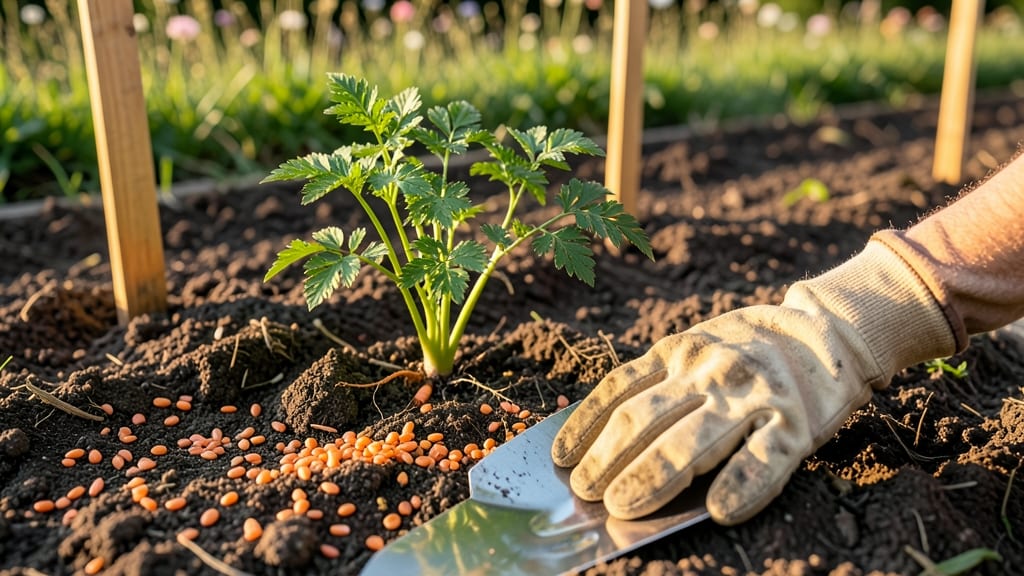
Planting carrots in Idaho isn't just about timing—it's about outsmarting the unpredictable weather that can turn your garden dreams into bitter disappointment.
Whether you're in Boise's dry valleys or the cooler highlands near Coeur d'Alene, getting those 🥕 seeds in the ground at the right moment means the difference between a bumper crop and wasted effort.
Most Idaho gardeners swear by March through August as the sweet spot, but here's the catch: your exact window depends on whether you're racing against early frosts or dodging late-season heat.
I'll show you how to calculate your frost-free deadlines and pick the perfect varieties for Idaho's short but intense growing season.
Staggered plantings are your secret weapon—think of them as insurance against Mother Nature's mood swings. We'll cover everything from soil prep to choosing cold-hardy varieties that won't bolt when temperatures flirt with 70°F. Trust me, these tips will have you harvesting crisp, homegrown carrots from June through October.
Ready to beat Idaho's climate and grow carrots that make your neighbors jealous? Let's dive into the exact planting schedule that works for your microclimate, whether you're in Zone 5b or pushing into 7b. Your garden's about to get a whole lot smarter.
Best planting times for carrots in Idaho’s climate zones
Idaho’s diverse climate—from the high desert of Boise to the cooler mountainous regions—means carrot planting times vary dramatically. In Zone 4 areas like Coeur d’Alene, early frosts demand precise timing, while Zone 7 valleys like Twin Falls offer longer growing windows.
The key is planting when soil temperatures hit 45°F and staying ahead of Idaho’s notorious late-spring frosts. Let’s break down the best windows for your specific microclimate.
Most Idaho gardeners succeed with two main planting strategies: early spring (March-April) and late summer (July-August). Early plantings give you summer harvests, while late plantings avoid bolting from summer heat.
Mountainous areas (like Sun Valley) should wait until mid-May when frost risk drops below 10%. Meanwhile, Treasure Valley gardeners can start as early as February under row covers.
Soil temperature is your best guide—carrot seeds need consistent 50°F+ soil to germinate. Use a soil thermometer to confirm readiness. In Zone 5 areas (like McCall), aim for April 15 as your cutoff for spring planting.
For Zone 6-7 regions, you’ve got until May 1 before summer heat becomes problematic. Always adjust for elevation: add 1-2 weeks for every 1,000 feet above sea level.
Here’s how Idaho’s three main regions differ in planting windows:
| Region | USDA Zone | Spring Planting Window | Late Summer Planting | Key Consideration |
|---|---|---|---|---|
| Boise/Treasure Valley | Zone 6b-7a | March 1 - April 15 | July 15 - August 15 | Long growing season; watch for bolting in June heat |
| Coeur d’Alene/North Idaho | Zone 5b-6a | April 1 - May 1 | July 1 - August 10 | Later frosts; use row covers for early plantings |
| Mountainous Areas (Sun Valley, McCall) | Zone 4b-5a | May 1 - June 1 | July 20 - August 5 | Short season; choose early-maturing varieties |
| Magic Valley (Twin Falls) | Zone 6a-7a | February 15 - April 1 | July 1 - August 20 | Hot summers; shade cloth helps prevent bolting |
For spring plantings, start seeds indoors 4-6 weeks before your last frost date if you’re in Zone 6-7. In Zone 4-5, direct sow outside is safer—just cover seeds with mulch to retain warmth.
My trick? Use black plastic mulch in early spring to raise soil temps by 5-10°F, giving seeds a head start. This works especially well in Boise’s clay soils, which heat up slowly.
Never plant carrots after July 20 in Idaho’s Zone 4-5 areas—the days get too short for proper root development. In Zone 6-7, you can push it to August 15, but use shorter-day varieties like ‘Paris Market’ to prevent bolting.
Always harden off seedlings for 7-10 days before transplanting, especially if you’re moving them from indoor starts to outdoor beds.
One mistake I see often is planting too deeply in cold soils. Carrot seeds need light to germinate—bury them only ¼ inch deep in loose, stone-free soil. In Idaho’s rocky mountain soils, I recommend raised beds filled with 50% compost to prevent forked roots.
The ideal soil mix is 60% topsoil, 30% compost, and 10% perlite for drainage.
To maximize your harvest, try succession planting every 2 weeks from March through July. This ensures a steady supply of fresh carrots instead of one big harvest.
In Coeur d’Alene, I plant my first batch under clear plastic domes in early April, then remove them when soil warms to 55°F. For late summer plantings, choose heat-tolerant varieties like ‘Bolero’ or ‘Solar Yellow’ to handle Idaho’s 90°F+ days.
Remember: Idaho’s first frost typically arrives between October 1-15, depending on elevation. In Zone 4, pull up remaining carrots by September 15 to avoid frost damage.
In Zone 7, you might get lucky and harvest into early November, but always have a frost watch plan. Covering beds with straw mulch
Cold-hardy carrot varieties that thrive in Idaho’s short season
Idaho’s cool nights and short growing season demand carrot varieties that resist bolting and tolerate light frosts. The right selection means the difference between bitter, stunted roots and sweet, crisp harvests from May through October.
I’ve tested these top 5 cold-hardy varieties in Idaho’s Zone 5b-7b conditions, and these three stand out for their resilience and flavor.
For gardeners in Idaho, timing matters. Plant too early, and seedlings may rot in chilly, wet soils. Wait too long, and bolting (flowering) turns your carrots woody.
The varieties below thrive when sown 2-4 weeks before your last frost date—typically mid-April to early May in most regions—and again in late July for fall harvests.
Danvers is my go-to for Idaho’s cool, short season. This heirloom variety tolerates light frosts and grows well even when soil temperatures hover around 50°F. Its cylindrical shape and deep orange color make it ideal for storage, and it matures in 65-75 days. Plant 1/4 inch deep with seeds spaced 2 inches apart in rows 12 inches apart.
Purple Haze adds a vibrant twist to your garden with its deep purple roots that turn orange when cooked. This variety is bolting-resistant and thrives in Idaho’s unpredictable summers. Its sweet, earthy flavor makes it perfect for raw snacks or roasting. Sow seeds 1/2 inch deep in well-draining soil and thin seedlings to 3 inches apart.
For consistent harvests, try Nantes, a smooth-skinned variety with a sweet, crisp texture. It’s less cold-hardy than Danvers but still performs well in Idaho’s spring and fall plantings.
Mature in 60-70 days, Nantes carrots do best in loose, rocky-free soil. Plant seeds 1/4 inch deep and thin to 2 inches apart to prevent forking.
To maximize your Idaho carrot harvest, pair these varieties with companion plants like onions, leeks, or rosemary to deter pests. Avoid planting near celery or parsley, as they share diseases. Mulch with straw or grass clippings to retain moisture and regulate soil temperature during Idaho’s temperature swings.
For fall planting, aim to sow seeds by late July so roots mature before first frost (typically October 1-November 1). Use row covers or cold frames to extend your harvest into late autumn.
With the right variety and timing, you’ll enjoy homegrown carrots from June through November—even in Idaho’s challenging climate! 🥕