
Plants
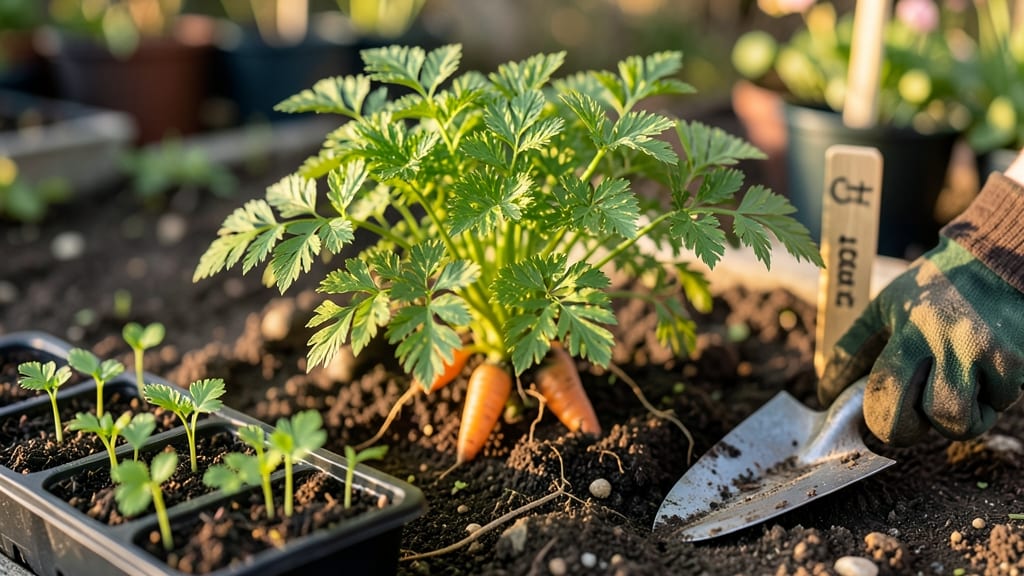
Planting carrots in Zone 9a isn't just about timing—it's about unlocking a winter harvest of sweet, crisp 🥕 that most gardeners miss. The key?
Starting seeds in late summer or early fall when temperatures dip just enough to prevent bolting, while still giving roots time to mature before the first frost.
I’ve learned the hard way that planting too early means bitter, stringy carrots by harvest time, while waiting too long risks stunted growth from cool soil. Zone 9a’s mild winters actually work in our favor—if we play it right.
The right window turns your garden into a year-round carrot source, with fall-planted roots ready by December.
What makes this even better? You can double your harvest with a second planting in early spring, just as the soil warms.
Whether you’re a first-time gardener or a seasoned grower, these exact dates and tricks will help you avoid the most common mistakes—like rocky soil or uneven germination—that turn promising starts into frustrating failures.
Let’s break down the perfect planting schedule for Zone 9a, including soil prep, variety picks, and how to stretch your harvest through the winter months without losing quality. Ready to grow carrots that outshine the grocery store? Let’s get started.
Best fall planting windows for carrots in Zone 9a
Timing your carrot planting in Zone 9a is all about avoiding two extremes: summer bolting from heat stress and winter frost damage. The ideal window focuses on cool soil temperatures and moderate daylight—typically between September and October.
This schedule ensures your carrots develop sweet roots before winter sets in but avoids the scorching heat of late summer.
Carrots thrive when soil temperatures stay between 60°F and 70°F—perfect for fall planting in Zone 9a. If you plant too early, daylight exposure (12+ hours) can trigger bolting.
Too late, and frost risk increases, especially after January 15. The key is to start when nights cool but days remain warm enough for steady growth.
For Zone 9a, I recommend starting your fall carrot seeds in late September for a December harvest. This timing aligns with soil temperatures dropping below 75°F while still allowing enough daylight for root development.
If you live in a coastal microclimate, you might push planting to early October, but inland areas should aim for mid-September.
Moisture balance is critical during fall planting. Carrots need consistent soil moisture to prevent bolting or forked roots. Water deeply every 3-5 days in fall, focusing on morning watering to reduce evaporation. Avoid overhead watering, which can spread soil-borne diseases like leaf blight.
One of my favorite tricks for Zone 9a gardeners is to use black plastic mulch before planting. This warms the soil in early fall, giving seeds a head start, while also suppressing weeds.
Remove the mulch once sprouts appear to prevent overheating. Pair this with a light mulch layer (straw or shredded leaves) to retain moisture and insulate roots.
If you're worried about frost damage, consider planting cold-hardy varieties like 'Danvers Half Long' or 'Purple Haze'. These varieties tolerate light frosts better than standard types. For extra protection, use floating row covers after planting—these allow sunlight and water to penetrate while shielding tender foliage from freezing temperatures.
Succession planting works well in Zone 9a. Sow a second batch of seeds in early October for a January harvest. This staggered approach ensures you have fresh carrots even as winter progresses.
Just be sure to harvest before the ground freezes solid, which typically happens by mid-January in most of Zone 9a.
Remember, soil preparation is just as important as timing. Carrots need loose, rocky-free soil to grow straight. Work in compost or aged manure before planting to improve drainage and fertility. Avoid fresh manure, which can cause forked roots due to uneven nutrient distribution.
With the right fall planting window and care, you’ll enjoy sweet, crisp carrots from December through January—long after your summer crops have faded. The key is patience and attention to soil temperature and daylight changes as the seasons shift. Happy planting! 🥕
How to extend carrot harvests through winter in Zone 9a
Zone 9a’s mild winters create the perfect opportunity to enjoy fresh carrots year-round. By choosing the right cold-hardy varieties and using protective strategies, you can harvest sweet, crisp roots even when temperatures dip.
The key is balancing mulching, row covers, and proper soil prep to shield tender roots from light frost while preventing rot.
Start with slow-bolting varieties like 'Danvers Half Long' or 'Purple Haze', which tolerate cooler temperatures better than standard types. These varieties also store well in the ground if protected, meaning you can harvest as needed without worrying about spoilage.
My favorite trick? Planting a succession crop every 3-4 weeks from September through November ensures a steady supply.
Here’s how to weigh your options for extending harvests:
Extending Carrot Harvests in Zone 9a
Pros
- Row Covers: Protects from light frost (28-32°F) and pests like carrot rust fly.
- Mulching: Insulates soil, keeping roots 5-10°F warmer and preventing freeze damage.
- Succession Planting: Staggered sowing ensures continuous harvests from December to March.
- Cold-Hardy Varieties: 'Napoli' and 'Chantenay' resist bolting in cool weather.
Cons
- Row Covers: Can trap excess moisture, increasing disease risk if not ventilated.
- Mulching: Over-mulching may lead to rot if soil stays soggy.
- Succession Planting: Requires space management and consistent watering.
- Cold-Hardy Varieties: Often slower-growing, extending harvest time by 2-3 weeks.
For mulching, use straw or shredded leaves (4-6 inches deep) to insulate roots while allowing moisture to penetrate. Apply mulch after the first light frost (around mid-November in Zone 9a) and remove it in early spring to avoid overheating.
Pair this with a floating row cover for extra protection during unexpected cold snaps.
Succession planting is my go-to method for a non-stop harvest. Sow seeds every 3 weeks starting in late August, then taper off in early November. This way, while your first batch matures in December, the next is ready in January, and so on.
Just remember to thin seedlings to 2-3 inches apart to prevent competition and ensure straight roots.
Finally, monitor soil moisture—consistent watering is critical during winter’s erratic rains. Use a drip irrigation system on low settings to avoid waterlogging, which can turn carrots mushy. With these techniques, you’ll enjoy homegrown carrots even when your neighbors are stuck with store-bought ones!
🌱