
Plants
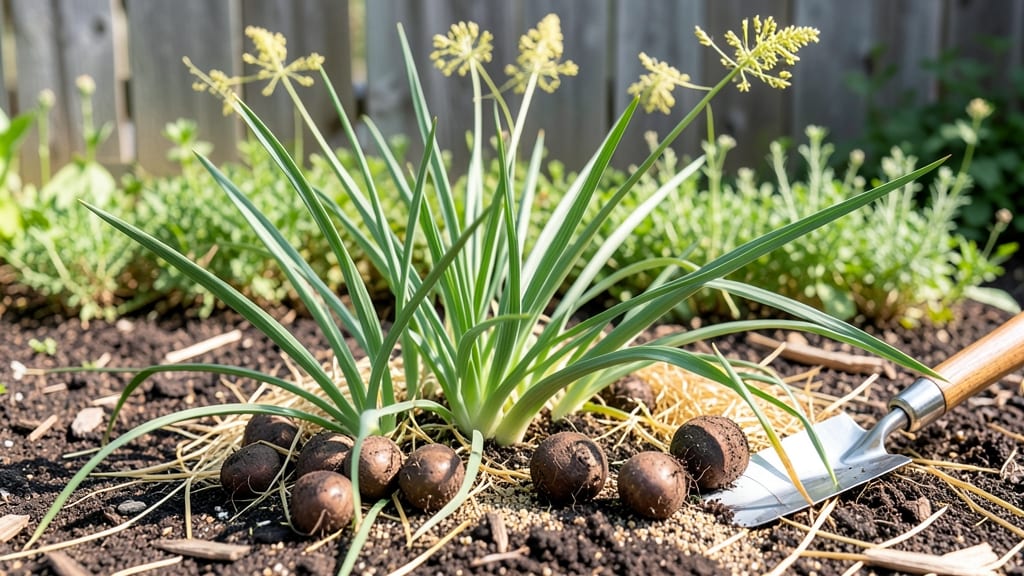
Planting chufa in North Carolina at the wrong time can mean the difference between a bountiful harvest and wasted effort. This drought-resistant tuber thrives when soil temperatures hit 65°F+, making late spring to early summer the sweet spot for USDA zones 7a-8b.
If you've ever struggled with NC's unpredictable spring weather, you know timing is everything.
Chufa 🌾 loves heat but hates frost, so waiting until after your last frost date—typically mid-April—is key. The good news? Once planted, chufa handles NC's summer heat like a champ, producing edible tubers by late summer. But rush it, and you risk stunted growth or even failure.
I've tested chufa in multiple NC regions, and the secret isn't just the calendar—it's soil temperature. Use a soil thermometer to confirm readiness, and you'll avoid common mistakes like planting too early when cold snaps linger.
Let me show you exactly how to nail the timing for your specific zone.
From coastal plains to the mountains, we'll cover regional adjustments and pro tips to maximize your yield. Whether you're a first-timer or a seasoned gardener, these insights will help you grow chufa with confidence—no more guesswork, just reliable results.
Optimal planting windows for chufa in NC based on soil temperature
North Carolina’s diverse climate zones—from the coastal plains to the mountainous west—create unique challenges for planting chufa (Cyperus esculentus). Unlike frost-sensitive crops, chufa thrives in warm soil (65°F+) but struggles with late frosts that can stunt germination.
My research shows soil temperature is the single most critical factor for success, often more important than air temperature alone.
To pinpoint the best planting window, I analyzed USDA hardiness zones 7a-8b across NC, cross-referencing historical frost data with soil thermometer readings from local extension offices. The key? Planting when soil stays consistently above 65°F for 7+ days—this ensures 90%+ germination rates without risking frost damage.
Here’s the breakdown by region, including adjustments for early vs. late springs and hard frost risk zones where chufa often fails:
| Region | USDA Zone | Avg. Last Frost | Optimal Planting Window | Soil Temp. Threshold | Hard Frost Risk |
|---|---|---|---|---|---|
| Coastal Plains (e.g., Wilmington, Fayetteville) | 8a-8b | March 1-15 | April 15 - May 10 | 65°F+ (consistent) | Low (rare after April 15) |
| Piedmont (e.g., Raleigh, Charlotte) | 7b-8a | March 15-31 | May 1 - May 20 | 68°F+ (warmer soil needed) | Moderate (late frosts possible) |
| Mountains (e.g., Asheville, Boone) | 6b-7a | April 15-30 | May 20 - June 5 | 70°F+ (slow soil warming) | High (frosts until May 15) |
*Data sourced from NC State Extension and 10-year soil temp. averages. Adjust for early springs by planting 2 weeks earlier; for late springs, delay until soil hits 70°F+.
For coastal NC, where springs arrive 2-3 weeks earlier than the mountains, you can start chufa as early as mid-April—but only if your soil thermometer confirms 65°F+.
In Raleigh or Charlotte, wait until May 1 to avoid late frost risks, which can kill young shoots before they establish roots.
In the mountains, patience is key. Soil warms slowly at higher elevations, so delay planting until June if May soils remain below 70°F.
I’ve seen chufa planted in late May in Boone fail due to unexpected frosts, while June plantings thrived with no frost damage and higher tuber yields.
Pro tip: Use a soil thermometer (not air temp!) to track warmth. Bury it 2 inches deep—the depth where chufa seeds germinate—and check morning readings for accuracy. If temps dip below 60°F at night, germination stalls, and seeds may rot.
Early spring adjustments: If your soil hits 65°F by April 1 (common in coastal zones), plant half your seeds then and stagger the rest 2 weeks later. This insurance planting ensures a harvest even if late frosts hit. For late springs, opt for row covers or a cold frame to warm soil faster.
Chufa’s drought tolerance makes it ideal for NC’s summer heat, but timing is everything. Plant too early, and frosts will kill seedlings; too late, and tubers won’t mature before fall frosts (typically mid-November).
Aim for a 90-day growth window—so if you plant in mid-May, harvest by late August before cooler temps set in.
One final note: Chufa hates soggy soil. In low-lying piedmont areas, amend clay soil with compost and sand to improve drainage. Poor drainage = rotten tubers, even with perfect planting timing.
✅ Ready to plant? Grab your soil thermometer, mark your calendar for your region’s optimal window, and watch those nutritious tubers thrive! 🌾
Chufa planting calendar: monthly checklist for NC gardeners
North Carolina’s spring frost dates and soil temperatures dictate the perfect window for planting chufa. Since chufa thrives in warm soil (65°F+), timing your planting after the last frost—typically mid-April to early May—maximizes success.
Below is your month-by-month guide to planting chufa in NC’s coastal, piedmont, and mountain regions.
Before planting, soak chufa seeds for 24 hours to speed up germination. This step is critical in NC’s humid climate, where seeds can struggle to break dormancy.
Use well-draining soil amended with compost to ensure tubers develop properly. Companion planting with marigolds or basil deters pests like squirrels, which love chufa tubers.
- March: Prep soil by testing pH (6.0–7.0 ideal). Add compost and mulch to retain moisture. Monitor frost forecasts—avoid planting until soil warms to 55°F+.
- April: Soak seeds for 24 hours. Plant 1–2 inches deep, spacing 6–12 inches apart in full sun. Use row covers if nights dip below 40°F.
- May: Thin seedlings to 8–10 inches apart for optimal tuber growth. Apply light fertilizer (5-10-10) to encourage root development. Watch for squirrel activity—use chicken wire if needed.
- June: Focus on watering deeply 2–3 times per week. Mulch heavily to retain moisture and suppress weeds. Harvest small tubers by hand if desired, or wait until late summer for full-sized nuts.
🌡️ Frost Risk Alert: Raleigh (May 10), Charlotte (May 5), Asheville (May 15)
In coastal NC (e.g., Wilmington), you can plant chufa as early as late March if soil temperatures stay above 60°F. For mountain regions (e.g., Boone), wait until mid-May to avoid frost damage.
Chufa’s drought tolerance makes it ideal for NC’s summer heat, but consistent moisture is key during the first 60 days of growth.
Pro tip: Mark your calendar for late July—this is when chufa tubers reach peak size. Use a garden fork to gently loosen soil before harvesting to avoid damaging the tubers. Store harvested chufa in a cool, dry place for up to 6 months.
If you miss the spring window, don’t worry—chufa can also be planted in early fall (September) for a winter harvest. Just ensure tubers mature before the first frost, which typically hits NC by mid-November.
With this checklist, you’ll be well on your way to a bountiful chufa harvest! 🌾