
Plants
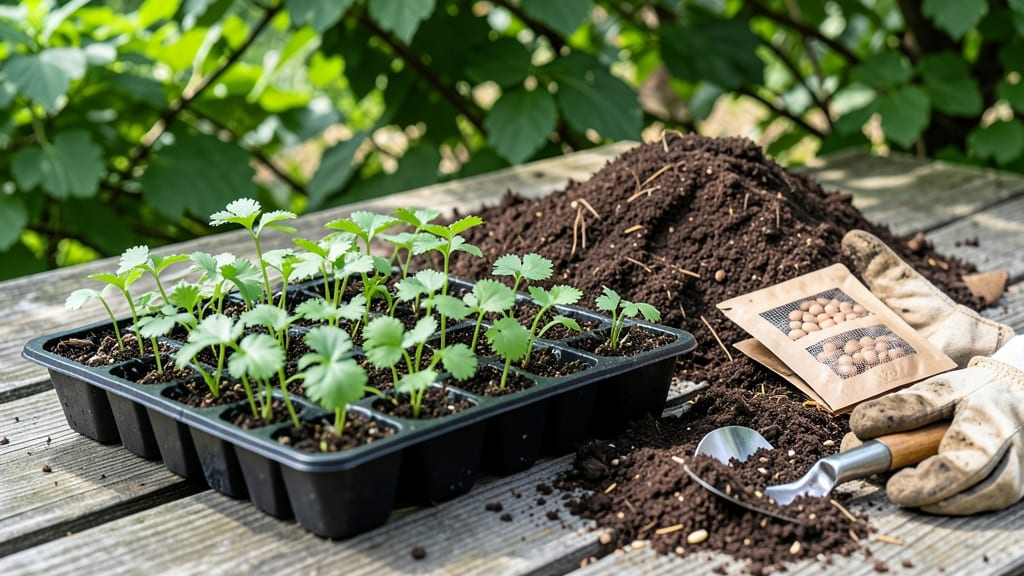
Planting cilantro at the wrong time in Oregon can turn your fresh herb dreams into bitter disappointment—because nothing ruins a salsa faster than bolting plants. The secret lies in mastering those narrow spring and fall windows when temperatures stay cool enough to keep your 🌿 cilantro happy and productive.
Here in zones 7b-9a, where frost dates shift dramatically from Portland to Medford, timing is everything. Miss the mark, and you’ll either get hit by late frosts or watch your cilantro bolt into seed before you can harvest.
But get it right, and you’ll enjoy vibrant leaves for months—perfect for garnishes, soups, and fresh salsas.
I’ve learned the hard way that Oregon’s microclimates demand flexibility. Whether you’re in the Willamette Valley or the Coast Range, we’ll break down exactly when to plant for two successful harvests—plus how to stretch your growing season without risking bolting.
Ready to grow cilantro that stays fresh and flavorful? Let’s dive into the frost-free planting schedule that works for your corner of Oregon—and keep your garden (and your tacos) tasting fresh all season.
Oregon’s ideal cilantro planting zones and frost dates by region
Oregon’s diverse microclimates create unique challenges—and opportunities—for growing cilantro. The Willamette Valley, Portland metro area, Columbia Gorge, and Coast Range all have different frost patterns that dictate when to plant this cool-season herb.
Getting the timing right means avoiding the bitter bolting that turns your cilantro into a seed pod before you can harvest those fresh leaves.
Cilantro thrives in USDA zones 7b-9a, but Oregon’s first and last frost dates vary dramatically by region. For example, Medford’s Zone 8 has a longer growing season than Portland’s Zone 8, while the Coast Range’s Zone 7b faces earlier frosts.
Planting too early risks frost damage, while planting too late triggers bolting from summer heat.
Here’s a region-by-region breakdown of when to plant cilantro in Oregon to maximize flavor and yield:
| Region | USDA Zone | Avg. Last Frost | Avg. First Frost | Ideal Planting Window | Bolting Risk |
|---|---|---|---|---|---|
| Willamette Valley (Eugene, Salem) | Zone 8a | April 15 | October 25 | Feb 15 - Mar 30 & Sep 1 - Sep 30 | High in summer heat |
| Portland Metro | Zone 8b | April 1 | October 20 | Feb 1 - Mar 25 & Aug 20 - Sep 20 | Moderate (urban heat islands) |
| Columbia Gorge (Hood River) | Zone 7b | April 10 | October 10 | Feb 10 - Mar 20 & Aug 15 - Sep 15 | High (cooler nights delay bolting) |
| Coast Range (Astoria, Cannon Beach) | Zone 7b-8a | April 5 | October 15 | Mar 1 - Mar 25 & Aug 10 - Sep 10 | Low (cooler summers) |
| Southern Oregon (Medford, Ashland) | Zone 8b-9a | May 1 | November 1 | Mar 10 - Apr 15 & Aug 30 - Oct 1 | Very high (hotter summers) |
In the Willamette Valley, cilantro planted between February 15 and March 30 will mature before summer heat triggers bolting.
The Portland metro area has a slightly earlier window due to its urban microclimate, while the Columbia Gorge’s cooler nights actually extend the spring window by about two weeks compared to Portland.
The Coast Range offers the most forgiving conditions—its cooler summers mean cilantro can often survive until September 10 without bolting. Meanwhile, Southern Oregon’s Zone 9a (like Medford) requires planting by April 15 to avoid the intense summer heat that causes cilantro to bolt within weeks.
For all regions, fall planting is your second chance. Aim to sow cilantro 8-10 weeks before your first frost—so by September 1 in Portland or August 30 in Medford. This gives your plants time to mature before cooler temperatures slow growth.
Use shade cloth in summer to protect seedlings from heat stress if you’re pushing the limits of the planting window.
Pro tip: Succession plant every 2-3 weeks in spring and fall to ensure a continuous harvest. For example, in Portland, plant one batch on February 15, another on March 1, and a final batch on September 1.
This staggered approach guarantees fresh cilantro from April through October without the bitterness of bolting.
Remember, cilantro’s ideal soil temperature is between 60-75°F. If your region’s soil heats up beyond 80°F, even a well-timed planting will bolt. Use mulch to keep roots cool and always choose slow-bolting varieties like ‘Santo’ or ‘Calypso’ for Oregon’s climate.
With these regional guidelines, you’ll avoid the heartbreak of cilantro turning to seed before you can use it—and enjoy fresh, flavorful harvests all season long. Happy gardening! 🌿
How to extend cilantro’s growing season in Oregon’s unpredictable climate
Oregon’s mild coastal climate and inland temperature swings create perfect conditions for cilantro—if you time it right. The key to avoiding bitter bolting is extending its growing window using smart techniques tailored to Oregon’s variable weather patterns.
Whether you’re in the Willamette Valley or Portland suburbs, these strategies will keep your cilantro thriving longer.
Most gardeners in Oregon focus on spring and fall plantings to escape summer heat, but with the right approach, you can squeeze in extra harvests during transitional months.
The secret lies in succession planting, shade protection, and container flexibility—all designed to outsmart Oregon’s unpredictable heat spikes and cool snaps.
- 1 Succession Plant Every 2 Weeks: Start your first batch in late February and follow with new seeds every 2 weeks until mid-April. This staggered approach ensures a continuous harvest before summer heat arrives.
- 2 Use 30% Shade Cloth in Late Spring: When daytime temps hit 75°F+ (common in May-June), drape shade cloth over cilantro to drop temps by 10-15°F. Remove it on cloudy days to prevent leggy growth.
- 3 Grow in Containers on Balconies: Move pots to shadier spots during afternoon heat (1 PM–5 PM). Use 5-gallon containers with well-draining mix to prevent root stress from Oregon’s variable rainfall.
- 4 Plant Near Tall Crops for Shade: Pair cilantro with tomatoes, corn, or sunflowers to create natural shade. Avoid planting near dill or fennel, which cross-pollinate and cause bolting.
- 5 Harvest Aggressively in Early Morning: Pick outer leaves first every 3–4 days to encourage bushier growth. Store harvested cilantro in damp paper towels in the fridge to extend its freshness for 10+ days.
For fall extensions, start your last batch in early August using black plastic mulch to warm the soil and jumpstart growth. This gives cilantro a 6–8 week head start before first frost (typically October 15 in Portland).
Pair this with drip irrigation to maintain consistent moisture—Oregon’s autumn rains can lead to root rot if soil stays soggy.
Container growing is a game-changer for urban gardeners or those with limited space. Use self-watering pots filled with 50% potting mix and 50% compost to mimic Oregon’s rich, loamy soil.
Place containers on patio rollers so you can move them to shadier spots during heatwaves (common in July-August). This flexibility lets you adapt to Oregon’s microclimates instantly.
Don’t forget that companion planting isn’t just about shade—it’s also about confusing pests. Interplant cilantro with bush beans or lettuce to deter aphids and spider mites, which thrive in Oregon’s humid summers. Avoid planting near carrots, as they compete for nutrients and stunt cilantro’s growth.
With these strategies, you’ll double your cilantro harvests in Oregon’s climate. The key is staying proactive: monitor weekly temperatures, adjust shade as needed, and harvest regularly to keep plants lush and flavorful—no matter what Oregon’s weather throws your way. 🌿