
Plants
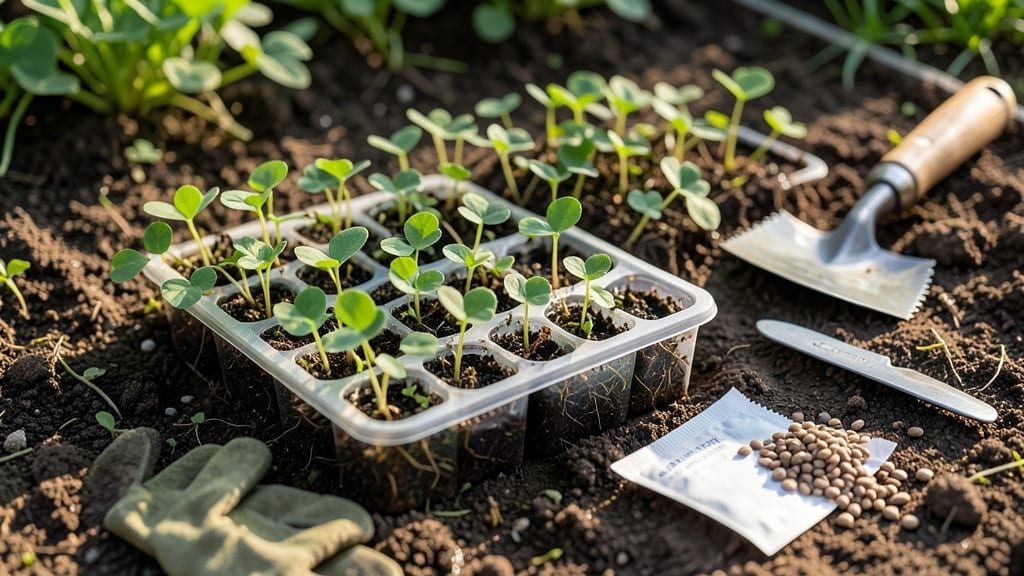
Planting clover at the right time in spring could transform your lawn or garden into a lush, nitrogen-rich haven—but get the timing wrong, and you might end up with patchy, struggling plants.
The key to success lies in understanding when soil temperatures rise enough to support germination, typically 4-6 weeks before your last expected frost.
For most gardeners in USDA Zone 6a, that means aiming for early to mid-spring, around late March or early April, when the ground warms to at least 50°F.
This window gives your 🌱 clover seeds the perfect start, avoiding the risks of frost damage while still allowing time for robust growth before summer heat sets in.
Whether you're growing white clover for soil improvement or red clover for pollinators, the right timing ensures faster establishment and healthier plants. I’ll walk you through how to adjust for your specific climate, choose the best varieties, and spot early signs if you’ve planted too soon.
Ready to grow a thriving clover patch? Let’s break down the exact steps to time your planting for maximum success—no guesswork required.
Best weeks before last frost to plant clover for optimal growth
Getting your clover planted at the perfect time in spring is the secret to a lush, nitrogen-rich lawn that thrives all season. The key is planting 4-6 weeks before your last expected frost date, when soil temperatures consistently reach 50°F (10°C).
This timing ensures your seeds germinate quickly and avoid stunted growth from lingering cold snaps.
Clover seeds need warmth to sprout, but they also can't handle late frosts. Planting too early risks seed rot or slow germination, while waiting too long may mean missing the ideal spring growth window.
The right timing varies by USDA zone—northern regions should aim for late March to early April, while southern areas can start as early as February.
| Clover Type | Ideal Planting Window | Soil Temp Requirement | USDA Zones |
|---|---|---|---|
| White Clover | 4-6 weeks before last frost | 50-55°F (10-13°C) | 3-9 |
| Red Clover | 2-4 weeks before last frost | 55-60°F (13-16°C) | 5-10 |
| Dutch Clover | 3-5 weeks before last frost | 50-58°F (10-14°C) | 6-8 |
*Adjust timing 1-2 weeks earlier for southern zones, later for northern zones
For USDA zones 3-5, aim to plant white clover between late April and early May, as these areas experience later frosts. In zones 6-8, you can start as early as March for red clover, which prefers warmer soil.
Always check your local frost date averages—the National Weather Service provides reliable forecasts to help you plan.
Soil temperature is just as critical as air temperature. Use a soil thermometer to confirm your garden bed has reached the ideal range before planting. Clover seeds won’t germinate below 50°F (10°C), and waiting for warmer soil prevents seed dormancy issues.
If your soil is still cold, consider using a black plastic mulch to warm it up faster.
Another pro tip: plant clover seeds in late afternoon when temperatures are cooler. This reduces moisture loss from the soil and helps seeds stay hydrated until germination. Water lightly after planting to settle the seeds, then maintain consistent moisture without overwatering—soggy soil can suffocate young seedlings.
If you’re in a transition zone like USDA zone 7, where frosts can be unpredictable, err on the side of planting slightly later. A 2-week buffer after your average last frost date gives your clover a head start while minimizing frost risk.
For example, if your last frost is typically April 15, aim for planting around May 1.
Remember that clover thrives in full sun, so choose a planting location that gets at least 6 hours of sunlight daily. Even with perfect timing, poor light conditions will slow growth and reduce nitrogen fixation.
Test your soil’s pH level before planting—clover prefers a slightly acidic to neutral range of 6.0-7.0 for best results.
Once your clover is established, it’ll reward you with lush green growth and natural soil enrichment. The key is patience—give your seeds 4-6 weeks to germinate fully before expecting a dense cover. With the right timing, your clover will outcompete weeds and create a resilient, eco-friendly lawn.
For gardeners in cooler climates, consider a spring + fall planting strategy. Planting again in early fall (6-8 weeks before first frost) extends your clover’s growing season and boosts soil health even more. Just adjust your frost dates accordingly!
How to adjust planting time by clover type and climate zone
Not all clover is created equal when it comes to planting timing. White clover thrives in cool-season conditions, while red clover prefers warmth, and Dutch clover grows aggressively year-round.
Your USDA zone also plays a critical role—northern gardeners need to plant earlier to avoid frost, while southern climates can wait until later spring when soil warms.
For white clover, aim to plant 4-6 weeks before your last frost date in zones 3-6. This cool-season variety handles light frost but struggles if planted too early when soil stays cold.
In warmer zones (7-10), you can push planting to late winter or early spring since frost isn’t a concern.
Red clover, however, needs soil temperatures above 60°F to germinate. In northern zones, wait until late spring (May-June) after the last frost. Southern gardeners can plant as early as February-March when soil warms naturally.
Dutch clover, being the fastest grower, can handle a wider window but still prefers 50-60°F soil for best results.
| Clover Type | Ideal Planting Window (Zones 3-6) | Ideal Planting Window (Zones 7-10) | Soil Temp Requirement |
|---|---|---|---|
| White Clover | 4-6 weeks before last frost (March-April) | Late winter-early spring (February-March) | 45-55°F (7-13°C) |
| Red Clover | Late spring (May-June) | Early spring (February-March) | 60-65°F (15-18°C) |
| Dutch Clover | Early spring (March-April) | Late winter-early spring (February-March) | 50-60°F (10-15°C) |
In northern climates (Zones 3-6), prioritize planting white clover in early spring to establish roots before summer heat. Use a light mulch to protect young seedlings from late frosts. For red clover, delay until soil warms—planting too early risks seed rot in cold, wet conditions.
Southern gardeners (Zones 7-10) can plant red clover as early as February, but avoid planting white clover before March to prevent heat stress. Dutch clover’s aggressive growth makes it ideal for late winter planting in warm regions, where it can establish quickly before summer drought sets in.
Pro tip: Use a soil thermometer to confirm temperatures match your clover type’s needs. If soil stays below 50°F for white clover or 60°F for red clover, wait another week—patience now means stronger plants later. 🌱