
Plants
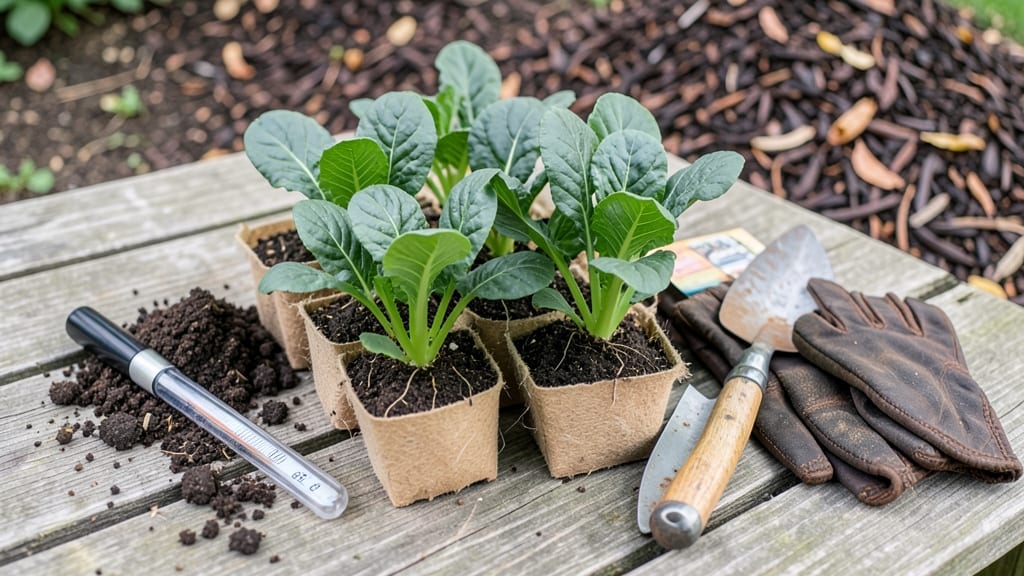
Planting collard greens at the wrong time in Georgia (GA) can turn your sweet 🥬 harvest into bitter disappointment—especially when summer heat triggers early bolting.
The key to success lies in understanding your local heat zones and planting windows, which I’ll break down so you can grow collards that stay tender and productive all season.
Georgia’s 7b-8b climate means collards thrive in cooler months, but timing matters. Whether you’re in the Piedmont or coastal regions, planting too early in spring or too late in summer can spell disaster.
I’ll show you the exact months to start seeds and transplant for bolt-free growth, plus how to extend your harvest through winter’s first frost.
Most gardeners focus on fall planting, but spring collards can work too—if you follow the right schedule. We’ll cover soil temperature thresholds, succession planting tricks, and how to protect your plants from Georgia’s intense summer heat. Ready to grow collards that taste sweeter after a light frost? Let’s get started.
By the end, you’ll know not just when to plant, but how to keep your collards thriving from March through December. No more guesswork—just a foolproof plan tailored to Georgia’s unique growing conditions. Your next harvest is just a few weeks away!
Georgia heat zones for collard greens: when to plant for bolt-free growth
Georgia's diverse USDA Hardiness Zones 7a-8b create unique challenges and opportunities for growing collard greens. Coastal areas like Savannah (Zone 8a) enjoy milder winters, while the Piedmont (Zone 7b) and mountain regions (Zone 7a) face earlier frosts.
Understanding these microclimates is key to timing your plantings for bolt-free harvests—especially since summer heat triggers bitter bolting faster than most gardeners expect.
In my Zone 7b Atlanta garden, I've learned the hard way that planting collards too early in spring or too late in summer leads to either stunted growth or rapid bolting.
The solution? Strategic planting windows tied to soil temperatures and heat zone patterns. Let's break down the optimal timing for each Georgia region to maximize your harvest potential.
🌱 PRO TIP: Use this heat zone map as your guide—coastal areas can plant 2-3 weeks earlier than inland zones, while mountain gardens should delay until after the last frost date. The difference in timing can mean the difference between tender leaves and bitter disappointment.
| Georgia Region | USDA Zone | Best Planting Window | Soil Temp Threshold | Harvest Window |
|---|---|---|---|---|
| Coastal (Savannah, Brunswick) | 8a-8b | Late Aug-Sept & Feb-March | 55°F+ | Oct-Dec & April-May |
| Piedmont (Atlanta, Macon) | 7b-8a | Early Sept & March-April | 50°F+ | Sept-Nov & May-June |
| Mountains (Blue Ridge) | 7a-7b | Mid-Sept & April | 45°F+ | Oct-Dec & June |
For Zone 8a coastal gardens, the secret to success lies in two main planting windows: late August-September for fall harvests and February-March for spring crops.
The warmer climate allows for earlier starts, but don't be tempted to plant in July—temperatures above 85°F will send your collards bolting within weeks. I've found that using shade cloth (30-50%) during peak summer heat can push back bolting by 2-3 weeks in coastal areas.
In the Piedmont region (Zone 7b), where I garden, the September planting is critical—it gives plants time to establish before cooler weather arrives. My Atlanta garden typically sees first frost around November 15th, so I aim to have collards 6-8 inches tall by then.
For spring planting, I wait until March 15th when soil temperatures consistently reach 50°F—any earlier and the cool nights stunt growth.
Mountain gardeners in Zone 7a face the shortest growing season, but that doesn't mean you can't grow collards successfully. Focus on one late-summer planting (mid-September) and one spring planting (April). The key is choosing cold-hardy varieties like 'Georgia Southern' or 'Vates' that can withstand 20°F temperatures.
I've had great success with these varieties in Blairsville, where winters can be harsh.
Regardless of your zone, avoid summer planting unless you're using extreme heat mitigation. Even in Zone 8b, planting collards in June typically results in bolting within 3-4 weeks. Instead, focus on fall and spring windows where cooler temperatures prevent the heat stress that triggers bolting.
My Zone 7b garden produces the sweetest collards when planted in early September—they mature just in time for October harvests before hard frosts arrive.
One final tip: Succession planting every 2-3 weeks during your optimal window extends your harvest by 4-6 weeks. In my garden, this means planting two batches in September and one in March for continuous harvests.
The first batch gives you early fall greens, while later plantings mature as winter approaches—perfect for holiday cooking and winter storage.
Remember, collard greens love cool weather—they actually sweeten after light frosts. By aligning your planting with these heat zone guidelines, you'll avoid the bitter bolting that plagues summer plantings and enjoy tender, flavorful leaves all season long.
Start with your zone's recommended window, then adjust based on your local microclimate—your future self (and your taste buds) will thank you!
Best planting schedule for Georgia collard greens: fall vs. spring timing
Georgia's mild winters and long growing season make collard greens a perfect fit, but timing is everything. Fall planting yields the sweetest harvests, while spring planting carries higher risks of bolting in Georgia's heat. Let's break down the ideal schedule to maximize your collard greens success.
For fall crops, the sweet spot is mid-August to early September—when soil temperatures drop below 85°F but stay warm enough for germination. Spring planting should happen 4-6 weeks before your last frost date (typically mid-March in most of Georgia), but only if you're prepared to handle potential summer heat stress.
Here's my 30-day countdown checklist for fall planting success: Start by testing your soil pH (aim for 6.0-7.0) and amending with compost 30 days before planting. Direct sow seeds 10 days before your target date, spacing them 12-18 inches apart in rows 2 feet apart.
For spring planting, I recommend starting seeds indoors 4-6 weeks before last frost to give seedlings a head start. Transplant outdoors when soil reaches 50°F and nighttime temps stay above 40°F. Remember, spring collards need shade cloth (30-50%) during Georgia's summer heat to prevent bolting.
Pro tip: Harvest outer leaves first to encourage regrowth, and avoid cutting more than 1/3 of the plant at once. Fall collards taste sweeter after a light frost—plan your planting to harvest through December or January in most of Georgia.
With these timing strategies, you'll enjoy sweet, tender collards all season long—whether you're growing them for southern cooking or fresh salads. Happy planting! 🌱