
Plants
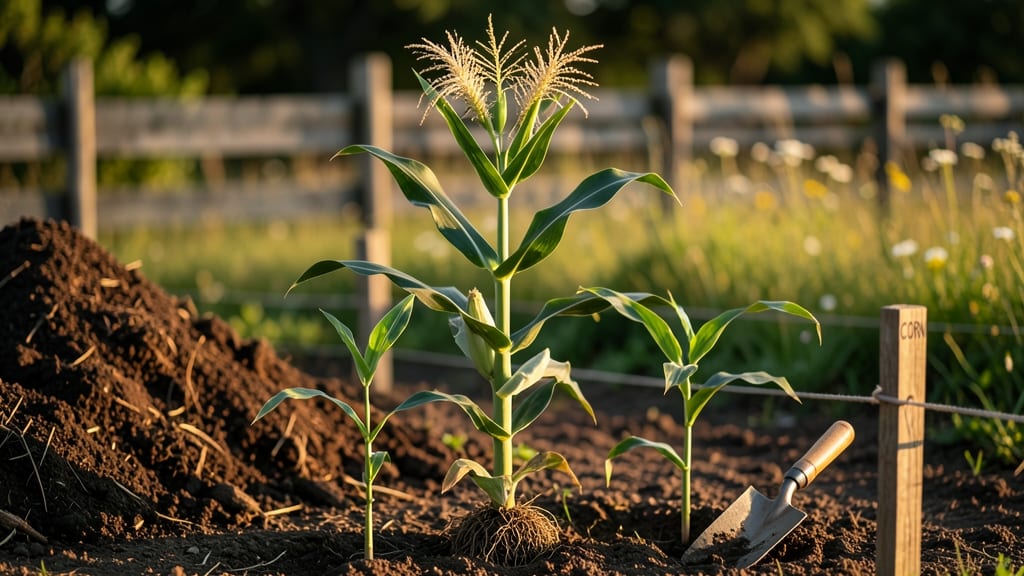
Planting corn in Seattle’s cool, unpredictable climate can feel like a guessing game—get the timing wrong, and you’re left with stunted stalks or missed harvests.
But with the right frost dates, soil warmth tricks, and local microclimate know-how, you can grow sweet, towering 🌽 right in your Pacific Northwest garden.
The key is waiting for that 50°F soil temperature and planting after Seattle’s last frost (mid-April at the earliest), but not so late that your corn struggles to mature before fall.
I’ll break down exactly when to start seeds indoors or direct-sow outdoors, plus how to adjust for Seattle’s urban heat islands or coastal chill.
You’ll also discover how to prep your soil—Seattle’s clay-heavy ground needs extra care—and which fast-maturing varieties actually thrive here. Whether you’re a first-time gardener or a seasoned green thumb, these tips will help you avoid common mistakes and maximize your harvest from July to September.
Ready to grow corn that’s taller than you? Let’s dive into the perfect planting schedule for Seattle’s unique growing season.
Seattle’s corn planting timeline: frost dates & microclimate zones
Seattle’s USDA Zone 8a/8b climate gives you about 180 frost-free days, but the Puget Sound’s coastal influence creates microclimates that can shift your planting window by weeks.
Urban areas like Ballard or Fremont often warm up faster than rural spots near Snoqualmie Pass, so knowing your exact location matters.
Corn is sensitive to late frosts and cool soil, so timing is everything. The average last frost date in Seattle is around March 15, but pockets near Lake Washington can stay chilly until April 1. Meanwhile, south-facing urban gardens might be ready 2 weeks earlier.
Here’s your Seattle corn planting timeline broken down by microclimate:
| Zone Type | Last Frost Date | Ideal Planting Window | Soil Warmth Goal | Notes |
|---|---|---|---|---|
| Urban (Ballard, Fremont, Capitol Hill) | March 15–20 | Mid-April to May 1 | 50°F+ (10°C) | Warmer microclimate; use black plastic mulch if late. |
| Suburban (Bellevue, Kirkland, Redmond) | March 20–April 1 | Late April to early May | 50°F+ (10°C) | Check soil temp weekly; delay if cold snaps occur. |
| Coastal (Shoreline, Bainbridge Island) | April 1–10 | Early May to mid-May | 55°F+ (13°C) | Cooler soils; extend with row covers. |
| Rural (Snoqualmie, Carnation) | April 10–20 | Late May to early June | 60°F+ (16°C) | Plant fast-maturing varieties; risk of late frosts. |
For urban gardens, start seeds indoors in late March and transplant after May 1 to beat the odds. In coastal areas, wait until May 15—soil near Lake Washington can stay 10°F cooler than downtown Seattle.
If you’re unsure about your microclimate, use a soil thermometer for 3 days in a row. Corn roots need consistent warmth, and black plastic mulch can add 5–10°F to soil temperature. I’ve seen 3-week differences in planting readiness just 1 mile apart in Seattle!
Pro tip: Plant early-maturing varieties (like ‘Early Sunglow’) in May for a backup harvest if early plantings fail. The Puget Sound’s marine layer can delay warmth, so don’t rush—patience pays off with taller, sweeter ears.
Monitor your local Almanac frost predictions and adjust for urban heat islands. Sidewalks and buildings can make city gardens 2–3°F warmer than surrounding areas, giving you an extra 7–10 days of growing time.
Remember: Corn needs 60–120 days to mature, so late June plantings in Seattle risk immature ears before frost. If you love corn, succession planting in 3-week intervals from April to June ensures a steady supply.
🌱
Soil warmth checklist: how to test & prepare Seattle’s cool ground for corn
Seattle’s clay-heavy soil and cool spring temperatures often delay corn planting until soil warms to 50°F (10°C)—the minimum for germination. Without proper prep, your corn may sprout slowly or rot in damp ground.
I’ve learned the hard way: rushing planting leads to weak stalks and poor yields. Let’s fix that with a science-backed checklist to get your soil ready.
First, test your soil’s warmth using a soil thermometer (available at garden centers for under $10). Insert it 2 inches deep—this is where corn roots will start. Check temperatures daily in the late afternoon when soil is warmest.
If it’s below 50°F, delay planting or use warming tricks like black plastic mulch or row covers.
Seattle’s microclimates matter too. Urban areas near water (like South Lake Union) warm faster than rural spots, while shaded yards may stay cool longer. If your garden is slow to warm, consider raised beds—they heat up 2-3 weeks earlier than in-ground soil.
Fill them with a mix of compost, peat moss, and perlite to improve drainage and warmth.
🌱 Soil Warmth Checklist for Seattle Corn
- Test soil warmth: Use a thermometer at 2" depth—wait until it hits 50°F+ for 3+ days.
- Warm cool soil: Lay black plastic mulch 1-2 weeks before planting to raise temps by 5-10°F.
- Amend heavy clay: Mix in compost and perlite (1 part each) to improve drainage and aeration.
- Use row covers: Lightweight fabric traps heat—ideal for late-April plantings in chilly zones.
- Try raised beds: Fill with 50% compost to warm faster than in-ground soil.
- Plant deeper: Drop seeds 1.5" deep in cool soil for better moisture retention.
- Monitor moisture: Keep soil consistently damp (not soggy) until germination.
For clay-heavy Seattle soil, don’t skip amending! Corn roots need oxygen, and compacted clay suffocates them. Work in 2-3 inches of compost or well-rotted manure before planting.
If your soil is soggy, add coarse sand or perlite to improve drainage. I’ve seen corn thrive in amended clay—it’s all about giving roots room to breathe.
Once your soil hits 50°F+, plant seeds 1 inch deep and 6 inches apart in rows 3 feet apart. In Seattle’s short season, prioritize early-maturing varieties like ‘Early Sunglow’ (65 days) to avoid frost.
If nights dip below 50°F after planting, use row covers to protect young seedlings until they’re established.
Pro tip: Mark your planting spot with a stake and twine to avoid disturbing the soil. Corn roots are sensitive, and compacting them during planting can stunt growth.
With these steps, you’ll give your corn the warm, fertile start it needs to reach for the sky—even in Seattle’s cool climate! 🌽