
Plants
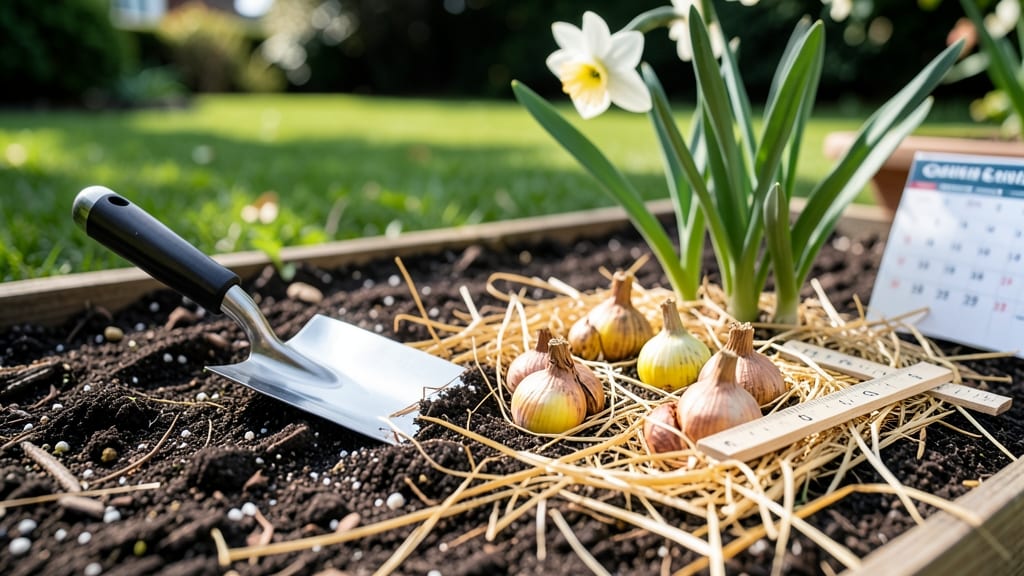
Planting daffodil bulbs at the wrong time in Alabama can mean the difference between a vibrant spring display and wasted effort. The 6-8 week window between September and November isn't just a suggestion—it's when your 🌼 bulbs need to establish roots before winter sets in.
Here's the catch: Alabama's mild winters (zones 7b-8a) mean traditional daffodils might not get enough chill hours to bloom. But don't worry—there are varieties that thrive in our climate, and knowing exactly when to plant them makes all the difference.
I'll walk you through the perfect planting timeline for your specific zone, including soil prep tips and how to adjust for early freezes. Whether you're planting in-ground or containers, you'll learn the exact steps to ensure your daffodils come back year after year.
Let's get your garden ready for those cheerful spring blooms—without the guesswork. You'll discover why timing matters more than you think, and how a few simple adjustments can make all the difference in Alabama's unique growing conditions.
Alabama daffodil planting deadlines by zone: frost dates & soil prep timing
Alabama's mild winters and humid climate create unique challenges for daffodil planting. Unlike northern states, our USDA zones 7A-8B have shorter chill periods, meaning timing your bulbs correctly ensures vibrant spring blooms.
The ideal window spans from mid-September to November, but exact dates depend on your specific zone and frost predictions.
Northern Alabama (zones 7A-7B) typically experiences the first frost around November 15-20, while southern Alabama (zones 8A-8B) may see frost as late as December 1-10.
Planting too early risks rot in soggy soil, while waiting too long may prevent bulbs from establishing roots before winter. Aim to plant 6-8 weeks before your area's first frost date.
Soil temperature is just as critical as frost dates. Daffodils need 50-60°F soil to root properly. In Alabama, this typically aligns with late September to early October for most zones.
Use a soil thermometer to verify—cool, damp soil below 50°F can stunt root growth. If your soil runs warm, consider raising beds or planting in well-draining containers.
For spring blooms, focus on planting between September 15-October 15. This gives bulbs enough time to establish roots before winter while ensuring they receive adequate chill hours (even Alabama's mild winters provide enough).
For fall-blooming varieties, extend your window to November—these special cultivars need shorter chill periods and can handle Alabama's warmer winters.
Prepare your soil by amending with organic matter like compost or aged manure. Alabama's clay-heavy soils benefit from sand or perlite to improve drainage. Test your soil's pH—daffodils prefer 6.0-7.0.
If your soil is too acidic, add lime before planting. Work the amendments into the top 6-8 inches of soil where you'll plant the bulbs.
When selecting bulbs, opt for large, firm specimens with no signs of mold or soft spots. Plant them 6 inches deep and 6 inches apart for standard varieties, adjusting for dwarf types.
Space bulbs closer together if you're planting for massed color—this creates stunning drifts of yellow and white in spring. After planting, water thoroughly to settle the soil and encourage root growth.
Mulch after planting to protect bulbs from temperature fluctuations. In Alabama's humid climate, mulch also helps prevent fungal diseases. Use 2-3 inches of organic mulch like straw or shredded leaves.
Avoid thick layers that could suffocate bulbs or attract pests. Remove mulch in early spring once new growth appears to allow sunlight to reach emerging foliage.
Monitor your garden for early freezes, especially in zone 7A. If frost is predicted before your bulbs are planted, consider using row covers or planting in containers that can be moved to sheltered areas.
Conversely, in zones 8A-8B, you may extend planting into early December for late-season color, though blooms may be smaller.
Remember, daffodils are perennials that multiply over time. Proper fall planting ensures they'll return year after year, naturalizing beautifully in your Alabama garden.
With the right timing and soil prep, you'll enjoy vibrant blooms from March through May, adding cheerful color to your landscape when few other flowers are in season.
Daffodil chill-hour requirements: how Alabama’s mild winters affect variety selection
Alabama’s mild winters can be a double-edged sword for daffodil lovers. While warmer temperatures mean fewer harsh freezes, they also limit the chill hours many daffodil varieties need to bloom.
Most traditional daffodils require 10-15 hours of temperatures between 32-45°F to trigger flowering—but Alabama often delivers only 0-10 hours in a typical winter. This mismatch explains why some varieties flop while others shine.
Choosing the right low-chill daffodils is your secret weapon. These varieties skip the long winter nap and still produce stunning blooms. For example, 'Tête-à-Tête' and 'Ice Follies' thrive with as few as 2-5 chill hours, making them perfect for Alabama’s climate.
Without the right selection, you might end up with bulbs that sprout leaves but never flower—leaving you disappointed by summer.
Here’s the key: Chill hours determine whether your daffodils will bloom or just grow foliage. Alabama’s Zone 7B-8A winters rarely dip enough to satisfy high-chill varieties. Even a 10-hour variety might struggle in North Alabama, while 0-5 hour varieties will bloom reliably across the state.
The solution? Focus on early-blooming, low-chill daffodils that adapt to Alabama’s unique conditions.
| Variety | Chill Hours Needed | Bloom Time | Alabama Adaptability |
|---|---|---|---|
| 'Tête-à-Tête' | 2-5 hours | Early March | Excellent (0-10 hour zones) |
| 'Ice Follies' | 3-7 hours | Late February | Excellent (all Alabama zones) |
| 'Carlton' | 5-8 hours | Mid-March | Good (North Alabama) |
| 'Minnow' | 0-3 hours | Early April | Best for South Alabama |
| 'February Gold' | 4-6 hours | Late February | Good (cooler microclimates) |
If you’ve ever planted traditional daffodils in Alabama and watched them grow leaves but refuse to bloom, you’ve likely encountered the chill-hour deficit. These varieties need 10+ hours of winter chill to set flower buds.
Without it, they’ll focus all their energy on foliage, leaving you with a leafy green plant instead of the vibrant blooms you crave. The fix? Swap out high-chill varieties for low-chill alternatives like 'Tête-à-Tête' or 'Ice Follies', which are bred to perform in mild climates.
For North Alabama gardeners in Zone 7B, you might get lucky with 5-8 hour varieties like 'Carlton', but even then, results can be hit-or-miss. In South Alabama’s Zone 8A, stick to 0-5 hour varieties to guarantee blooms.
The good news? These low-chill daffodils often bloom earlier, giving you a spring burst of color when other flowers are still dormant.
Don’t let Alabama’s mild winters fool you into thinking all daffodils will thrive. The chill-hour requirement is non-negotiable for reliable blooms. By selecting the right varieties—like 'Minnow' for South Alabama or 'February Gold' for cooler pockets—you’ll enjoy daffodil blooms year after year, no matter how balmy your winter. 🌼