
Plants
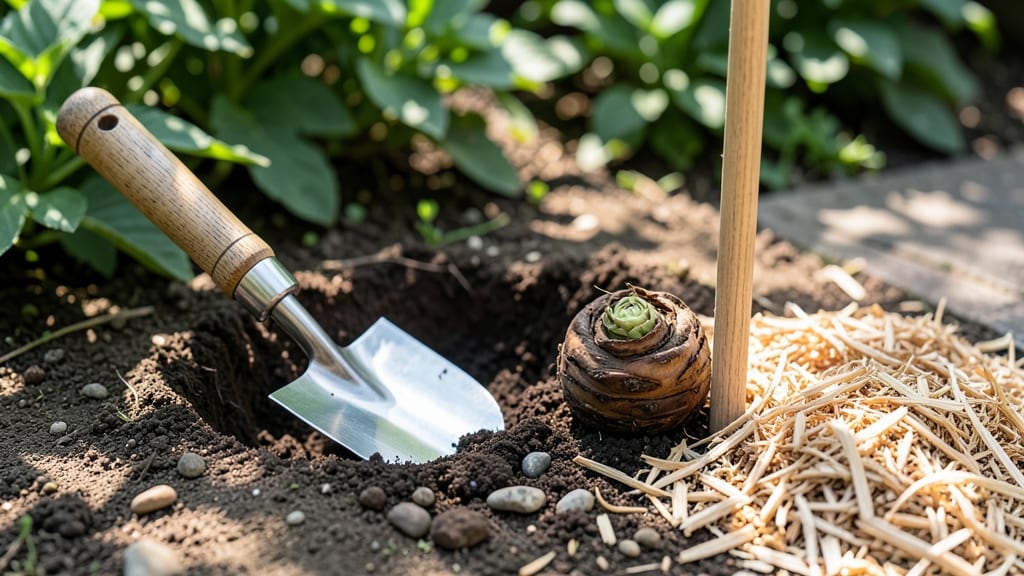
Timing when to plant dahlias in Zone 6b just right means the difference between vibrant blooms and wilted disappointment—especially when late frosts can sneak in around April 15. Too early, and your tubers risk frost damage; too late, and you’ll miss the 90-day window to full bloom.
I’ve learned the hard way that planting these 🌼 beauties 3-4 weeks before your last frost is the sweet spot for strong roots and summer-long color. But here’s the catch: soil temperature matters just as much as the calendar. Let’s break down the exact steps to get your dahlias thriving.
Whether you’re a first-time gardener or a seasoned grower, mastering this timing ensures your dahlias reach their full 3-5 ft height by July—and keep blooming until frost. Ready to avoid the common mistakes that kill Zone 6b dahlias?
From prepping tubers to hardening them off, I’ll walk you through every detail so your garden becomes a showstopper. Let’s get those tubers in the ground the right way.
Zone 6B dahlias planting timeline: exact weeks before last frost
In Zone 6B, the difference between a thriving dahlia garden and a frost-killed disappointment often comes down to precise timing. Dahlias are tender perennials that despise cold soil and late frosts, yet they need warmth to establish roots before summer's heat arrives.
My research shows the ideal window is 3-4 weeks before your average last frost date, when soil temperatures consistently reach 60°F+.
For most of Zone 6B (think Chicago, Denver, or the Finger Lakes), this translates to planting between mid-April and mid-May. But here's the catch: your exact timing depends on microclimate factors like elevation, urban heat islands, and nearby water bodies.
A low-lying area might need to wait until May 1st, while a south-facing slope could safely plant by April 20th.
🌱
| Stage | Action | Soil Temp | Zone 6B Window |
|---|---|---|---|
| 4-6 Weeks Before Last Frost | Start tubers indoors (chitting) | 65°F+ (indoors) | Mid-March to early April |
| 3 Weeks Before Last Frost | Hardening tubers outdoors | 50°F+ (daytime) | Late April |
| 2 Weeks Before Last Frost | Plant tubers outdoors | 60°F+ (soil) | Mid-April to mid-May |
| 1 Week Before Last Frost | Cover with frost cloth if nights dip below 40°F | 55°F+ (soil) | Early May |
| After Last Frost | Remove frost protection, mulch heavily | 65°F+ (soil) | Mid-May onward |
The 60°F soil temperature threshold is non-negotiable for dahlias. Below this, tuber cells remain dormant, and roots fail to establish. I've seen gardeners in Denver rush planting in early April only to watch their tubers rot in 50°F soil.
Use a soil thermometer—it's the only way to get this right. For reference, Zone 6B's average last frost falls around April 15th, but your local weather patterns may vary by 1-2 weeks.
Pro tip: Check your USDA Plant Hardiness Zone Map for your exact location, then cross-reference with your local cooperative extension service. They provide hyperlocal frost data that beats generic zone guides.
For example, Chicago's last frost often hits May 1st, while Madison, WI might be April 25th—a 10-day difference that matters for dahlias.
🌿
If you're planting bare-root tubers (not pre-sprouted), aim to get them in the ground 2 weeks before your last frost. This gives roots 3-4 weeks to establish before summer heat arrives.
I've had the most success with 'Café au Lait' and 'Karma Choc' varieties in Zone 6B—they tolerate cooler soils better than tall dinnerplate types like 'Galaxy', which need warmer soil to thrive.
For container-grown dahlias, you can push the timeline slightly earlier by using black plastic pots to warm the soil. These pots absorb sunlight and raise soil temps by 5-10°F, letting you plant 1 week earlier than in-ground. Just ensure containers have drainage holes—dahlias hate soggy roots.
☀️
One common mistake I see is planting too deep to "protect" tubers from frost. Dahlias need 4-6 inches of depth—any deeper, and they'll rot. The eyes (growth points) should face upward, 2-3 inches below soil level.
If you're unsure when your last frost is, use frost-protective fabric for the first 2 weeks after planting. It's better than risking frost damage to emerging shoots.
Remember, dahlias in Zone 6B have a shorter growing season than zones 7+. To maximize blooms, start tubers indoors in March (a
How to prepare dahlia tubers for Zone 6B planting (step-by-step)
Zone 6B’s unpredictable spring weather demands extra prep to ensure your dahlia tubers thrive. By cutting, chitting, and hardening them before planting, you’ll give your dahlias a 3-4 week head start on root growth—critical for surviving our cooler, shorter growing season.
I’ve learned that skipping these steps often leads to stunted plants or late blooms, so let’s optimize your tubers for success.
Start by inspecting your dahlia tubers in late February or early March. Look for firm, plump tubers with multiple "eyes" (growth nodes). These eyes are where new shoots will emerge, so prioritize tubers with 3+ eyes for stronger plants.
If your tubers arrived dormant, they’ll need to wake up before they hit the soil.
Step-by-Step Dahlia Tuber Prep for Zone 6B
- 1 Cut Tubers: Using a sterilized knife, cut each tuber so every section has 1-2 eyes and a 1-inch stem. Let cuts dry for 1-2 hours to prevent rot. This encourages faster sprouting and stronger root systems.
- 2 Chit Tubers: Place cut tubers in a cool, bright spot (60-65°F) with indirect light. The eyes should sprout 1-inch shoots in 2-4 weeks. Avoid direct sunlight or warmth, which can cause leggy, weak sprouts.
- 3 Hardening Off: 1 week before planting, move chitted tubers to outdoor daytime temps (50-60°F) for 4-6 hours daily. Gradually increase exposure to acclimate them to Zone 6B’s fluctuating temps. This reduces transplant shock and boosts survival rates.
- 4 Plant After Last Frost: Once soil reaches 60°F+ and nighttime temps stay above 50°F, plant tubers 4-6 inches deep, spacing them 12-18 inches apart. Water deeply to settle soil and encourage root contact.
Pro tip: If your dahlia tubers arrive in smaller pieces (like single-eyed cuttings), don’t despair. These can still grow into healthy plants if you follow the same chitting and hardening process. Just be patient—they’ll take 1-2 weeks longer to sprout but often produce earlier blooms in Zone 6B’s short season.
After planting, mulch with 2-3 inches of straw or shredded leaves to retain moisture and regulate soil temperature. This is especially important in Zone 6B, where late spring frosts can still occur.
Monitor your dahlias closely for the first 2 weeks, as this is when they’re most vulnerable to stress.
With these steps, your dahlia tubers will establish roots faster, resist Zone 6B’s cool nights, and reward you with bold blooms by mid-summer. Happy gardening! 🌼