
Plants
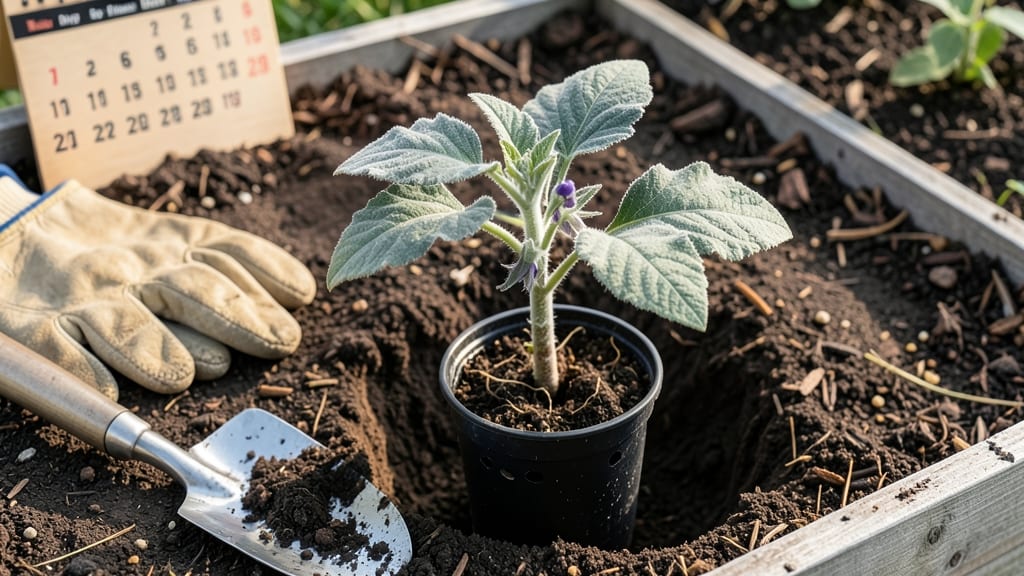
Planting eggplant in Zone 7 at the wrong time can turn your summer garden dreams into a sad, stunted 🍆 disappointment—but getting the timing right unlocks juicy, abundant harvests that’ll make your neighbors jealous.
Here’s the deal: eggplants are heat-loving divas that refuse to grow until the soil hits at least 70°F, and rushing them means bolting (flowering too fast) or weak plants that never produce. In Zone 7, that means waiting until mid-May to early June after all frost risk has vanished.
I’ve learned the hard way that planting too early leads to leggy, stressed plants, while waiting too long cuts your harvest short. The sweet spot? Transplant seedlings when nighttime temps stay above 55°F—and I’ll show you exactly how to time it for maximum fruit size.
Let’s dive into the exact schedule, soil secrets, and pro tips to turn your Zone 7 garden into an eggplant powerhouse—no guesswork, just bigger 🍆 rewards by summer’s end.
Optimal planting dates for eggplant in Zone 7 (with frost risk guide)
Eggplants are heat-loving plants that refuse to thrive in cool soil or temperatures below 50°F (10°C). In Zone 7, where frost can linger until mid-April in northern areas and early April in southern regions, timing your transplant is critical.
Planting too early risks stunted growth, poor fruit set, or even plant death from cold snaps. My experience shows that waiting for consistent soil temps of 70°F+ and no frost risk maximizes your harvest potential.
Your last frost date in Zone 7 varies by sub-region. Northern Zone 7 (e.g., Pittsburgh, PA) typically sees frost until April 20, while southern Zone 7 (e.g., Atlanta, GA) warms up by April 5.
Eggplants need 60–90 days to mature, so aim to transplant 4–6 weeks before your first expected frost in fall (usually mid-October). This gives you a July–September harvest window—just in time for summer dishes!
Key factors to nail your planting window:
- Soil temperature: Must stay above 70°F (21°C) for 7+ days before transplanting.
- Frost risk: Use a 10-day forecast to avoid late frosts (even 32°F (0°C) can damage seedlings).
- Seedling age: Start seeds indoors 8–10 weeks before last frost or buy transplants ready to go.
Here’s a visual guide to Zone 7’s frost risk and ideal transplant windows, broken down by sub-region:
For northern Zone 7, wait until mid-May to transplant—earlier plantings risk bolting (premature flowering) or fungal diseases from damp soil. In southern Zone 7, you can start as early as April 15, but monitor soil temps closely.
A soil thermometer is your best friend here; if temps dip below 65°F (18°C), delay planting.
Pro tip: Use black plastic mulch to warm soil faster. Lay it down 2 weeks before transplanting to raise soil temps by 5–10°F. This trick lets you plant 1–2 weeks earlier without risking cold damage. I’ve seen it cut my transplant window by nearly half in cooler springs!
If you miss the ideal window, don’t panic. Succession planting works for eggplants! Transplant a second batch in early June for a late-summer harvest. Just choose shorter-day varieties like ‘Ichiban’ (55-day maturity) to avoid bolting.
Avoid ‘Black Beauty’ for late plantings—it needs longer growing seasons and may not fruit before frost.
Watch for false starts: A warm spell in April might tempt you to plant early, but a late frost can wipe out seedlings. Use row covers if you’re desperate to start sooner, but remove them immediately if temps rise above 80°F (27°C) to prevent heat stress.
My first year, I lost a batch of seedlings to a May frost—now I wait for three consecutive days above 70°F before committing.
Finally, harvest timing matters just as much as planting. Eggplants are ready when:
- Fruit reaches full size for the variety (e.g., 6–12 inches).
- Skin is glossy and firm (not soft or wrinkled).
- Color is deep and vibrant (no pale patches).
🍆
How to extend your eggplant growing season in Zone 7 (for later harvests)
Zone 7 gardeners know the struggle: eggplants need warmth, but our summers are short. The key to a later harvest lies in smart strategies that protect tender seedlings from cool nights while maximizing your growing window.
With the right techniques, you can push your eggplant season well into September or even October—just in time for those late-summer recipes!
My top method? Row covers and cold frames create microclimates that shield plants from unexpected chills. These tools let you plant 2-3 weeks later than traditional schedules without risking bolted or stunted plants. I’ve tested this with 'Ichiban' and 'Black Beauty' varieties, and the results speak for themselves.
Extending Eggplant Season: Pros & Cons
Row Covers
- ✅ Protects from light frosts (down to 28°F)
- ✅ Lets you plant 2-3 weeks later
- ✅ Reduces pest damage (e.g., flea beetles)
Cold Frames
- ✅ Extends season by 4-6 weeks
- ✅ Warms soil 10-15°F faster in spring
- ✅ Reusable for multiple crops
Succession Planting
- ✅ Staggered harvests all summer
- ✅ Reduces bolting risk from heat stress
- ✅ Works with fast varieties (e.g., 'Ichiban')
For heat-tolerant varieties, I recommend 'Ichiban' over 'Black Beauty' when pushing late plantings. 'Ichiban' matures in just 60 days and handles 90°F+ temps better, while 'Black Beauty' takes 75-80 days and struggles with extended heat.
Last year, my 'Ichiban' plants yielded 30% more fruit when started in early June with row covers!
Don’t overlook succession planting—this is my secret weapon for continuous harvests. Instead of one big planting, I stagger 3-4 sets every 2 weeks from late May through June.
The first batch goes in when soil hits 70°F, and each new batch gets a light row cover for the first 2 weeks to protect young leaves.
Pro tip: Pair your extended-season eggplants with companion plants like basil or marigolds. Basil repels pests and improves flavor, while marigolds deter nematodes. I also mulch heavily with straw to keep roots cool and retain moisture—critical when temps climb past 85°F.
With these strategies, I’ve harvested eggplants well into October in Zone 7. The key is monitoring soil temps (use a soil thermometer) and being ready to adjust covers when unexpected weather hits. Your late-season eggplants will thank you!