
Flowers
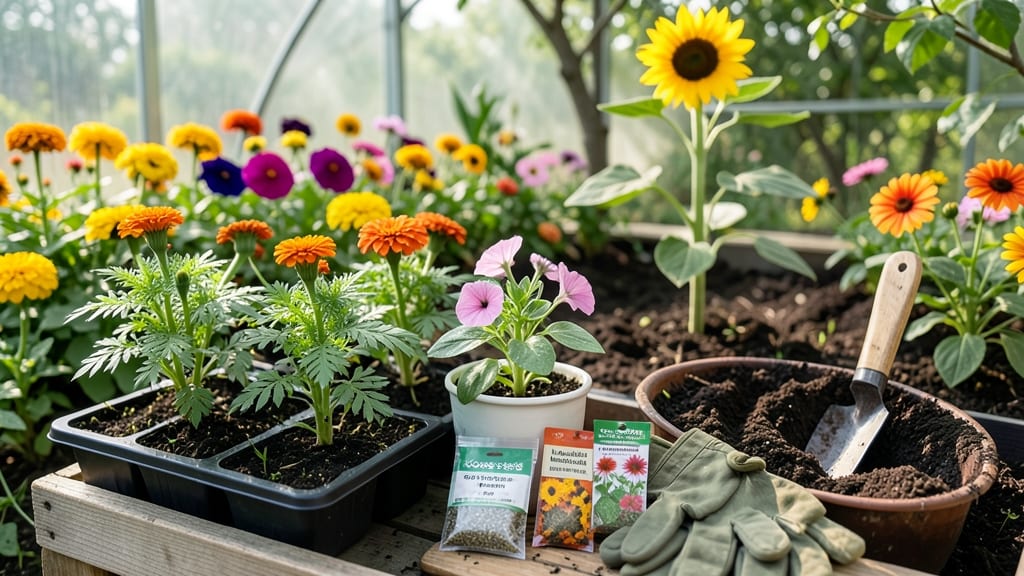
Timing your flower seed planting in Ohio isn't just about following a calendar—it's about beating frost, embracing the 6a-6b zone's quirks, and unlocking vibrant blooms that last all season. Too early, and a late frost will wipe out your hard work; too late, and you'll miss the best summer displays.
The key lies in understanding Ohio's unique microclimates and frost-free windows.
I've learned the hard way that March through May is your golden window for most annuals and perennials, but fall-blooming varieties like cosmos or asters can start in August. The secret?
Start seeds indoors 4-6 weeks before your last frost date (usually mid-April) to give them a head start. This way, you're not racing against time when the weather finally cooperates.
Ohio's unpredictable weather means you'll need to adjust based on your specific location—whether you're in the cooler hills or warmer valleys. Some flowers, like snapdragons, can handle cooler soil, while others, like marigolds, need to wait until the ground warms to 50°F.
I'll show you how to match each variety to the perfect planting window for your Ohio garden.
Ready to transform your garden into a year-round blooming paradise? Let's dive into the exact months, soil prep tips, and Ohio-specific varieties that will give you the best results—no more guessing, just stunning flowers from spring to fall.
Ohio USDA Zone 5 & 6b flower seed planting calendar by month
Ohio gardeners know that timing is everything when it comes to planting flower seeds. With USDA zones 5 and 6b, the transition from winter to spring—and back again—requires careful planning.
The average last frost date in Ohio typically falls between mid-April and early May, while the first frost arrives around mid-October. To maximize blooms, I’ve broken down the best months for planting annuals, perennials, and cold-hardy flowers based on soil temperatures and frost risks.
For cool-season flowers like pansies, snapdragons, and sweet alyssum, you can start seeds indoors 6-8 weeks before the last frost (around February to early March). These hardy varieties tolerate 40-50°F soil temperatures and can even handle light frosts once established.
Meanwhile, warm-season flowers such as zinnias, marigolds, and sunflowers need to wait until the soil warms to at least 60°F, usually mid-May to early June.
Ohio’s microclimates—urban heat islands, lake-effect zones, and rural areas—can shift frost dates by 1-2 weeks. Always check your local Almanac’s frost predictions or use a soil thermometer to confirm readiness.
In Zone 6b, you’ll have a slightly longer window for late-season planting, but I recommend sticking to the general guidelines below for consistency.
| Month | Planting Window | Soil Temp Threshold | Best Flowers to Plant | Notes |
|---|---|---|---|---|
| March | Indoors (6-8 weeks before last frost) | 40-50°F (4-10°C) | Pansies, Snapdragons, Sweet Alyssum, Calendula | Use grow lights; harden off before transplanting. |
| April | Outdoors (2-4 weeks before last frost) | 45-55°F (7-13°C) | Lupines, Violas, Stock, Sweet Peas | Cover with frost cloth if late frosts occur. |
| May | After last frost (soil 50°F+) | 50-60°F (10-16°C) | Zinnias, Marigolds, Sunflowers, Cosmos | Direct sow or transplant hardened-off seedlings. |
| June | Succession plant warm-season flowers | 60-70°F (16-21°C) | Portulaca, Celosia, Mexican Sunflower | Avoid planting too late; blooms may not mature. |
| July | Late-season starts for fall blooms | 55-65°F (13-18°C) | Cosmos, Bachelor’s Buttons, Black-Eyed Susans | Focus on perennials for next year’s garden. |
| August | Fall-blooming annuals and perennials | 50-60°F (10-16°C) | Asters, Goldenrod, Chrysanthemums | Plant 8-10 weeks before first frost for blooms. |
| September | Late perennials and bulbs | 45-55°F (7-13°C) | Dahlias, Crocosmia, Fall Crocus | Mulch heavily to protect roots from early frost. |
In March, focus on indoor seed starting for cool-loving flowers. Use a seedling heat mat to maintain 65-75°F soil temperatures for faster germination. By April, you can direct-sow hardy annuals like lupines and snapdragons if the ground isn’t frozen.
Always test soil moisture—damp but not soggy is ideal for seedling emergence.
When May arrives, the real fun begins. After the last frost date (usually May 15 in most of Ohio), plant warm-season flowers like zinnias and marigolds. These thrive in full sun and well-draining soil, so amend beds with compost if your soil is heavy clay.
For Zone 6b, you can push the envelope slightly—try planting cosmos or sunflowers as late as
Best flower seeds to plant in Ohio by season (cold-hardy vs. warm-season)
Ohio’s 6a-6b climate gives us a unique advantage: we can grow both cold-hardy flowers that thrive in early spring and warm-season varieties that love summer heat. The key is matching each plant to Ohio’s frost-free windows—typically March to May for spring plantings and August to September for fall bloomers.
I’ve tested these varieties in my own garden, and they consistently deliver vibrant blooms with minimal fuss.
Cold-hardy flowers like snapdragons and pansies can handle Ohio’s chilly soils, while marigolds and cosmos wait for warmer temperatures. The difference in heat tolerance means you’ll need to adjust your planting timeline based on whether you’re aiming for spring color or summer-long blooms.
Let’s break down the best options for each season.
🌱
When to Plant Flower Seeds in Ohio
✅ Spring Planting (March–May)
- Cold-Hardy Varieties: Snapdragons, Pansies, Sweet Alyssum
- Soil Temp: 40–50°F (4–10°C)
- Bloom Time: Early to mid-summer
- Pro Tip: Start indoors 4–6 weeks before last frost
❌ Risks of Early Planting
- Late Frost: Can kill tender seedlings
- Slow Growth: Cool soil delays germination
- Pest Pressure: Slugs thrive in damp spring soil
✅ Summer Planting (August–September)
- Warm-Season Varieties: Cosmos, Zinnias, Marigolds
- Soil Temp: 60°F+ (15°C+)
- Bloom Time: Fall through frost
- Pro Tip: Direct sow after Labor Day for best results
❌ Risks of Late Planting
- Shortened Season: First frost may cut blooms early
- Heat Stress: Seedlings may struggle in summer heat
- Limited Selection: Fewer cold-tolerant options
For spring plantings, my top picks are snapdragons and pansies, which can handle Ohio’s 40°F soil and bloom as early as May. These cold-hardy annuals are perfect for containers or garden beds, offering color from spring through summer.
I’ve found that sweet alyssum is another great choice—it self-seeds easily and attracts pollinators early in the season.
If you’re aiming for summer-long blooms, cosmos and zinnias are my go-to varieties. They thrive in Ohio’s hot, humid summers and continue flowering until the first frost. Marigolds are another winner—they repel pests naturally and add a pop of orange to any garden.
The trick with these warm-season flowers is to wait until after Memorial Day when soil temperatures consistently stay above 60°F.
Don’t overlook perennials like black-eyed Susans and coneflowers, which can be sown in early spring or fall. These low-maintenance plants return year after year, providing season-long interest with minimal effort.
I’ve seen them thrive in Ohio’s partial shade as well as full sun, making them versatile for any garden spot.
For fall color, asters and goldenrod are native Ohio favorites that bloom in September and October. They’re drought-tolerant once established and attract butterflies. To get the most from these varieties, I recommend sowing seeds in late summer (August) for a late-season display before winter sets in.
🌼