
Flowers
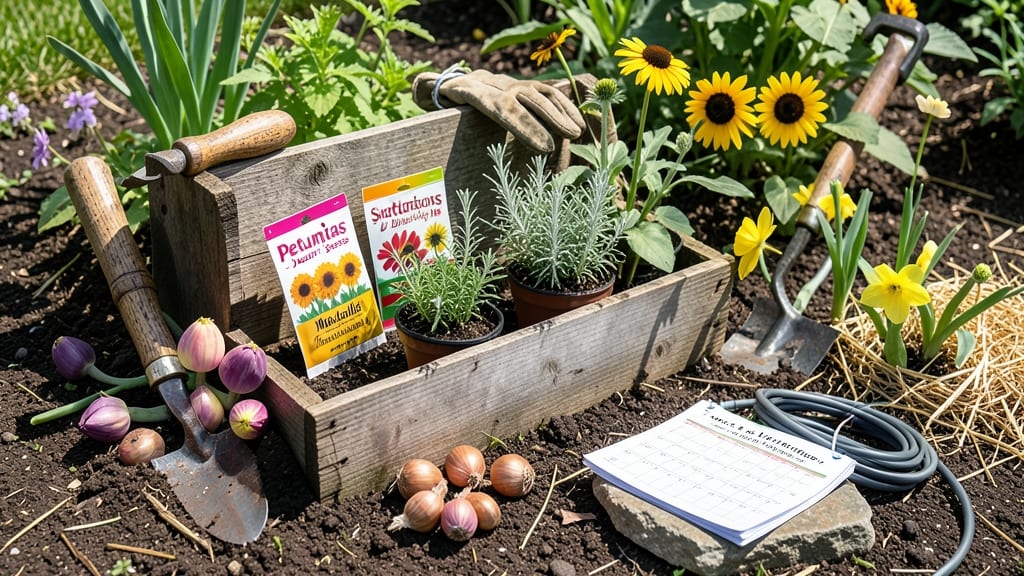
Timing when to plant flowers in Boise, Idaho isn’t just about picking a month—it’s about beating frost, embracing the dry climate, and choosing the right 🌸 varieties to thrive in Zone 6b. Plant too early, and a late frost will wipe out your tender blooms; too late, and you’ll miss the sweet spot for vibrant summer color.
I’ve grown flowers here for years, and the key is knowing when to start seeds indoors, when to pop bulbs in the ground, and how to stretch your season with smart planting tricks. Whether you’re dreaming of early spring tulips or late-summer marigolds, the right timing makes all the difference.
Boise’s unpredictable swings from 50°F soil to sudden freezes mean you can’t just follow a calendar. Instead, we’ll break down the exact windows—from early March for cold-hardy perennials to late September for fall favorites—plus how to adjust for microclimates like the foothills or urban heat islands.
Ready to transform your garden into a year-round bloom show? Let’s dive into the precise planting schedule, frost-proof tips, and the best flowers to make your Boise yard pop—without wasting time or money on guesswork.
Boise’s frost dates and ideal planting windows by season
Boise’s USDA Hardiness Zones 6b-7a mean your flower garden must adapt to late spring frosts and early fall chills. The average last frost date is April 15, while the first frost typically arrives October 15. These dates create a 165-day frost-free window, perfect for strategic planting.
Urban Boise gardens often experience warmer microclimates due to pavement heat, while the Boise foothills can remain 5-10°F cooler. Adjust planting times accordingly—foothills plants need 2-3 weeks later than urban areas. Always check soil temperatures (aim for 50°F+ for spring planting).
Spring planting begins in late March for cold-hardy annuals like snapdragons and pansies, but wait until mid-April for tender perennials like geraniums. Fall planting starts in late August for bulbs and hardy perennials, with annuals going in until September 15.
Key adjustments for Boise:
- Foothills: Plant 2-3 weeks later than urban areas
- Urban areas: Can start 1-2 weeks earlier due to heat retention
- South-facing slopes: Warmer, so plant earlier
- North-facing slopes: Cooler, so delay 10-14 days
For container gardening, extend your season by 2-3 weeks in both spring and fall. Pots warm up faster in spring and retain heat longer in fall, creating a protected microclimate. Use black plastic
Best flowers to plant in Boise by month (with frost tolerance guide)
Timing your flower planting in Boise is all about working with the city’s USDA Zone 6b-7a climate and unpredictable spring frost dates. The average last frost typically hits around April 15, but late frosts can linger into May.
Meanwhile, the first frost usually arrives by October 15, meaning fall planting offers a second chance for vibrant blooms. By choosing the right flowers for each month, you can ensure year-round color and resilience against Boise’s dry summers and chilly winters.
For maximum success, focus on cold-hardy perennials in early spring and heat-tolerant annuals in summer. Boise’s low humidity and intense afternoon sun demand flowers that thrive in well-draining soil with consistent moisture.
Below, I’ve broken down the best flowers to plant each month, including their frost tolerance and ideal conditions for Boise’s microclimates.
Boise’s dry climate and intense sun make it critical to choose flowers that can handle these conditions. For example, lupines and lavender (Zone 5-9) thrive in Boise’s well-draining soil and low humidity.
Meanwhile, petunias and geraniums need consistent watering to prevent wilting during summer heatwaves. Always amend your soil with compost to retain moisture and improve drainage.
Pro tip: Use mulch to protect roots from temperature swings and conserve soil moisture. In urban areas, where microclimates can vary, monitor local frost dates closely. If you’re in the Boise foothills, expect slightly cooler nights, which may delay spring planting by a week or two.
Adjust your schedule accordingly to avoid frost damage.
By following this month-by-month guide, you’ll create a continuous bloom cycle in your Boise garden, from early spring tulips to late fall asters. Whether you’re a beginner or a seasoned gardener, these frost-tolerant and heat-resistant varieties will keep your garden thriving year-round.