
Plants
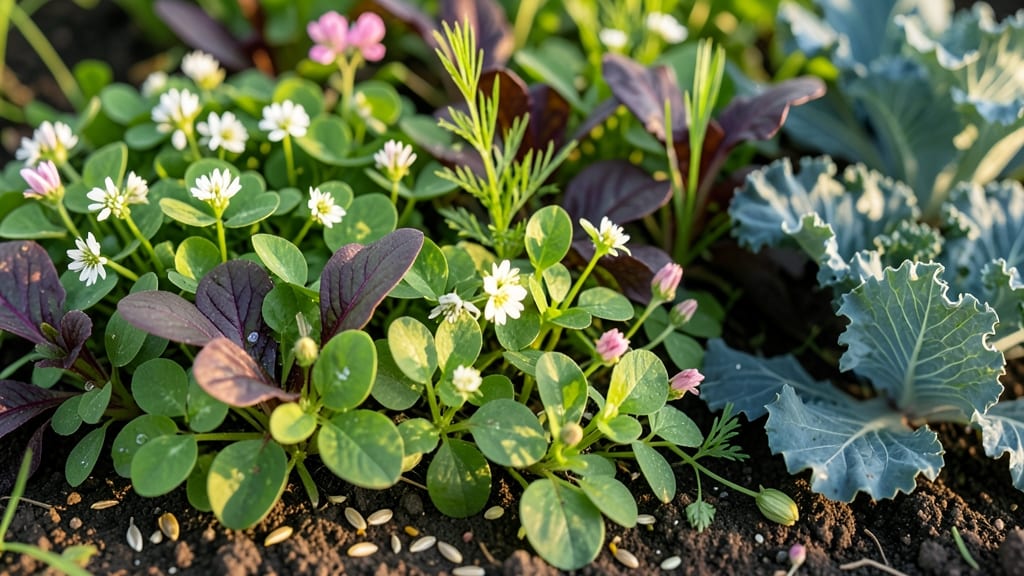
Planting a Deer Food Plot Mix 🌱 at the wrong time in Georgia can mean the difference between a thriving plot and one that never takes off.
If you've ever watched deer browse your property only to see them move on, you know how frustrating it can be—especially when the timing was off.
Georgia's unique climate in zones 7a-8b means you can't just follow a one-size-fits-all schedule. Whether you're planting clover in spring or brassicas in fall, getting the timing right ensures your food plot grows lush and attracts deer when they're most active.
I'll show you exactly when to plant for maximum impact, so you can turn your property into a whitetail hotspot.
The key is understanding how frost dates, soil temperatures, and deer behavior all play into your planting window. Late summer to early fall is ideal for many mixes, but spring planting has its own advantages—if you know the tricks.
Let me walk you through the best strategies for your region, so you can avoid common mistakes and make the most of your investment.
From soil prep to companion planting, I’ll cover everything you need to know to create a food plot that deer can’t resist. Ready to transform your property into a year-round hunting destination? Let’s get started.
Georgia’s best food plot planting windows: spring vs fall timing explained
Georgia’s whitetail hunters know timing is everything—and planting food plots at the wrong season can mean the difference between a trophy buck at your stand and an empty trail camera.
The Peach State’s diverse climate, from North Georgia’s cooler highlands to South Georgia’s warmer lowlands, creates distinct planting windows. Understanding these windows ensures your food plots thrive when deer are most active and hungry.
Fall planting dominates for cool-season forages like clover and brassicas, while spring offers opportunities for warm-season mixes like sorghum-sudangrass. But the exact timing varies by USDA zones 7a-8b and regional rainfall patterns.
Let’s break down the best months for each zone, including soil temperature thresholds and deer attraction factors that make all the difference.
Soil temperature is your most critical gauge. Most cool-season crops need soil temps below 80°F to germinate, while warm-season mixes thrive when soil hits 65°F+. Georgia’s average last frost dates range from mid-March in North Georgia to early March in South Georgia, creating a 6-week window for spring planting adjustments.
Rainfall patterns also dictate success. North Georgia’s higher elevations receive more consistent rainfall, while South Georgia’s drier conditions require pre-planting irrigation. The optimal planting window for fall is typically August through mid-September, while spring planting should wrap up by early April to avoid summer drought stress.
Here’s how Georgia’s two distinct regions differ in their ideal planting windows:
For North Georgia’s cooler climate, fall planting should begin in late August to take advantage of September rains before temperatures drop. Planting clover mixes or winter rye during this window ensures lush growth by November, when deer are actively feeding before winter.
The soil temperature should be between 65-70°F for optimal germination.
In South Georgia’s warmer zones, the window narrows to early August through mid-September to avoid summer heat stress. Brassicas like turnips and winter peas thrive here, maturing faster due to the longer growing season.
Planting too late risks frost damage before crops establish, so aim for soil temps below 80°F and monitor first frost dates closely.
Spring planting offers a second chance for warm-season forages that deer love. In North Georgiaearly March with sorghum-sudangrass or millet, which tolerate cooler spring soils.
South Georgia hunters should plant by mid-February to capitalize on earlier warm-ups. The key is soil temperatures above 60°F—waiting too long risks summer drought.
Deer behavior plays a crucial role. Fall-planted plots attract deer during rutting season (November-January), while spring plots provide late-season nutrition when natural forage is scarce. In North Georgiacool-season plots, while South Georgia’s earlier maturing crops extend the feeding window into December
Top 5 deer-friendly food plot crops for Georgia and their ideal planting times
If you're planting food plots in Georgia, timing is everything—especially when deer are most active. The top 5 crops I recommend for whitetails thrive in Georgia's 7a-8b climate zones, offering high nutrition and attractiveness. These crops are ranked by deer preference, growth speed, and adaptability to Georgia's seasons.
Georgia's fall planting window (August-September) is ideal for most crops, but some like clover perform best in early spring. Each crop has unique timing needs to maximize deer impact. Let’s break down the best options and their exact planting schedules.
🚨 Quick Reference: Use this table to decide which crops align with your hunting season and Georgia's frost dates (last frost: March 15, first frost: November 15).
For maximum deer activity, chicory and brassicas are my top picks—they grow quickly and provide year-round nutrition. Plant chicory in late August to ensure it establishes before frost, while brassicas thrive when seeded in September for fall/winter browsing.
Winter peas are a game-changer for late-season hunting. Seeded in August-September, they produce lush growth by November, just when deer are desperate for food. I’ve seen bucks hammer these plots hard during rut season—it’s like throwing a buffet for them!
If you’re planting for spring hunting, clover is a must. Sow it in March-April for a dense, nutritious cover by May. Clover also fixes nitrogen in the soil, improving future plantings. For summer plots, sorghum-sudangrass is heat-tolerant and attracts deer when other crops struggle.
Pro tip: Mix two crops for extended deer attraction. For example, pair chicory with winter peas—chicory for summer, peas for winter. This ensures deer have food year-round, keeping them on your property longer.
Just remember: soil prep is key—test pH and amend with lime if needed (ideal range: 6.0-7.0).
With these 5 crops and their ideal planting times, you’ll create a deer magnet that works with Georgia’s climate. Now go plant—your next trophy buck is waiting! 🌱🦌