
Trees
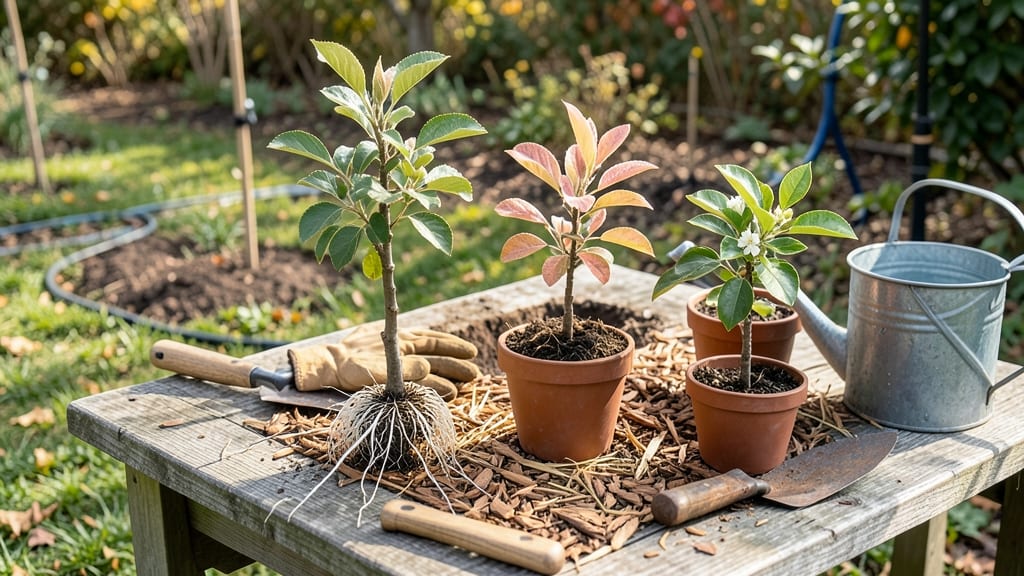
Planting fruit trees in New Zealand at the wrong time could mean frost-nipped dreams before they even take root. With its dramatic climate shifts—from subtropical warmth to chilly alpine zones—the timing of your 🌱 planting matters more than you might think.
I’ve seen firsthand how a single misjudged month can turn a promising young tree into a struggling underdog. But here’s the good news: knowing your region’s microclimate and the specific needs of each fruit variety lets you plant with confidence.
Whether you’re in Auckland’s balmy north or Canterbury’s cooler south, the right timing ensures stronger roots and better yields down the line.
This guide breaks down the ideal planting windows for New Zealand’s most popular fruit trees, accounting for frost risks and soil temperatures. You’ll discover when to plant apples, citrus, and berries—plus pro tips to give your trees the best possible start. Let’s get those orchards thriving!
From soil prep to post-planting care, I’ll walk you through everything you need to know to avoid common pitfalls. Whether you’re a backyard gardener or a small-scale farmer, these insights will help you grow fruit trees that flourish year after year.
New Zealand climate zones: best planting months by region
New Zealand's diverse climate zones create unique planting windows for fruit trees. The North Island offers subtropical warmth in the north and temperate conditions in the south, while the South Island features cooler maritime climates.
Understanding these differences helps you avoid frost damage and poor root establishment—critical factors for young trees.
For example, Auckland's subtropical Zone 8 allows citrus planting year-round, while Canterbury's Zone 7 requires careful timing to avoid late spring frosts. Each region has specific soil temperature requirements (ideal between 10-20°C) and frost-free periods that dictate planting success.
Here's a quick reference for major regions:
In Auckland's subtropical Zone 8, you can plant citrus trees like lemons or oranges almost year-round, but autumn (March-May) remains ideal for root establishment before summer heat. The region's warm winters (rarely below 10°C) eliminate frost concerns for most tropical varieties.
Moving to Wellington's temperate Zone 7, the story changes dramatically. Here, apples and pears thrive when planted in autumn (March-May) to establish roots before winter dormancy. The city's late spring frosts (May-October) demand careful variety selection—choose frost-hardy cultivars like 'Granny Smith' apples.
For the South Island's cooler maritime climates, timing becomes even more critical. In Canterbury's Zone 7-8, planting stone fruits like plums or cherries in autumn (March-April) gives roots time to develop before the harsh winter frosts (June-September). The region's dry summers also require extra mulching to retain moisture.
In Nelson's milder Zone 8, you gain flexibility with spring planting (September-November) for berries like blueberries and raspberries. The area's longer growing season allows for two planting windows, but autumn remains safer for root development before summer droughts.
Even within regions, microclimates create variations. For example, Queenstown's Zone 6 alpine climate only allows late spring planting (October-November) for hardy varieties like apples or pears. The extreme frost risk (-10°C) makes winter planting impossible for most fruit trees.
To maximize success, always check your specific local frost dates and soil temperatures before planting. Use a soil thermometer to confirm conditions meet your tree's requirements—most fruit trees need consistent soil temps above 10°C for root growth.
Remember: Bare-root trees can be planted during their dormant season (winter), while container-grown trees offer more flexibility year-round. Always water thoroughly after planting and apply mulch to protect roots from temperature swings.
Variety-specific planting calendar: months for apples, citrus, berries & more
New Zealand’s climate zones create unique challenges for fruit tree planting. In the North Island, subtropical regions like Auckland allow citrus and berries to thrive year-round, while cooler zones like Hawke’s Bay need earlier autumn planting for apples.
The South Island presents even more variables—Canterbury’s frost risks demand careful timing, while Nelson’s milder winters extend planting windows. Understanding these differences is key to avoiding common mistakes like planting citrus too late in cooler regions or exposing young apple trees to unexpected frosts.
I’ve planted fruit trees across multiple NZ regions and learned that dormant season planting (autumn/winter) works best for most temperate varieties, while active growth planting (spring) suits subtropical species. The timing isn’t one-size-fits-all—it depends on your local frost dates, soil temperatures, and the specific needs of each fruit type.
Let’s break down the optimal planting months for New Zealand’s most popular fruit trees, with regional adjustments to ensure success.
- 1 Apples & Pears: Plant in autumn (March-May) while trees are dormant. North Island varieties like Braeburn can handle slightly later planting (April-May), but South Island regions like Canterbury should plant by April to avoid frost. Use well-draining soil and protect young trees with frost cloths.
- 2 Citrus (Lemons, Oranges, Mandarins): Plant in early spring (September-October) when soil temperatures exceed 15°C (59°F). North Island gardeners can extend this to November, but avoid planting citrus in South Island regions south of Christchurch—they struggle with winter chills. Choose dwarf varieties for container growing in cooler areas.
- 3 Berries (Strawberries, Raspberries, Blueberries): Plant strawberries in autumn (March-April) for early spring harvests, while raspberries and blueberries thrive with spring planting (September-October). North Island regions can plant everbearing strawberries in late summer (February) for a second crop. Mulch heavily to retain moisture and protect roots.
- 4 Stone Fruits (Peaches, Plums, Cherries): Plant in late winter to early spring (August-September) while still dormant. Peaches need full sun and shelter from wind, while plums tolerate slightly cooler microclimates. South Island gardeners should avoid planting cherries in exposed locations—they’re prone to late spring frosts.
- 5 Kiwifruit (Actinidia): Plant in autumn (March-April)male and female vines. North Island regions like Hawke’s Bay can plant slightly later (April-May), but South Island gardeners must plant by March to establish roots before winter. Use strong trellises and ensure well-draining soil to prevent root rot.
One of the biggest mistakes I see is planting citrus trees in autumn—they simply won’t survive South Island winters. Instead, focus on spring planting when soil temperatures are consistently warm. For apples and pears, the dormant season planting window is critical.
It allows roots to establish before the tree breaks dormancy in spring, giving it a head start on growth. In cooler regions like Canterbury, I recommend planting one month earlier than the general guideline to account for slower soil warming.
If you’re in a transition zone (like Wellington or Nelson), pay close attention to microclimates
I always test soil temperatures with a soil thermometer—aim for 10°C (50°F) or warmer before planting subtropical varieties. For berries, early spring planting ensures they establish roots before the heat of summer, while autumn-planted strawberries get a jump on spring harvests. Remember, these are general guidelines. Your local MetService forecasts and neighborhood gardeners’ experiences are invaluable. I once planted a lemon tree in Nelson based on the "North Island rule," only to lose it to a sudden frost. Since then, I’ve made it a habit to monitor frost dates and adjust planting times accordingly. With the right timing and a little local knowledge, your fruit trees will thrive for years to come. 🌳