
Trees
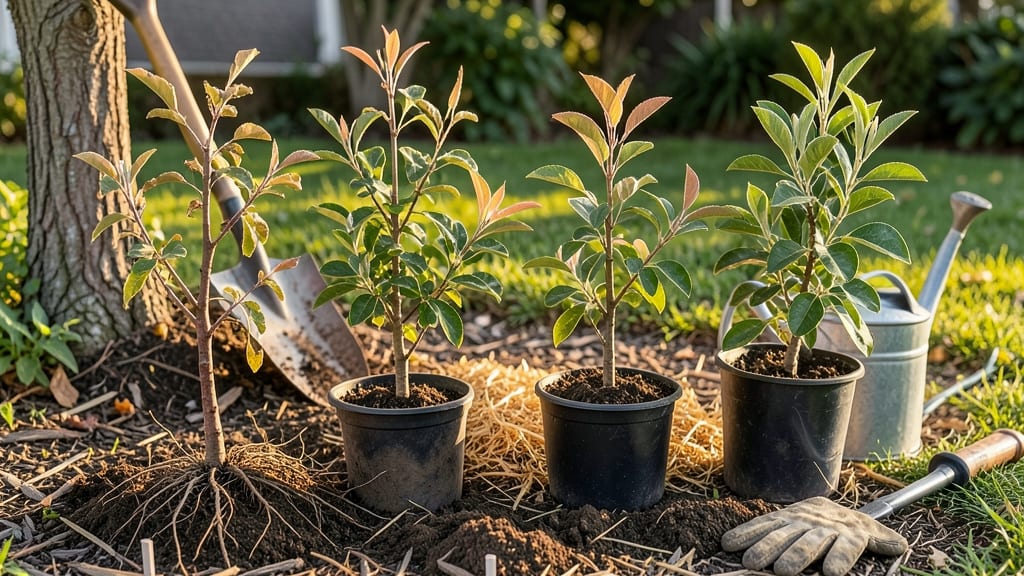
Planting your 🍎 fruit trees at the wrong time in South Australia could mean the difference between a lush orchard and a sad, frost-nipped sapling—so getting the timing right is everything.
With 8a-9b climate zones and regional frost variations, the ideal window shifts from Adelaide Hills to Riverland. I’ll break down the exact months when soil temps and frost risks align for success, plus how to prep your soil for each variety.
Whether you’re dreaming of homegrown citrus or stone fruits, knowing when to plant saves you from costly mistakes. Let’s dive into the frost-free deadlines and microclimate secrets that’ll give your fruit trees the best start.
From citrus in spring to stone fruits in autumn, I’ll cover the best months for your region—and how to protect young trees if late frosts sneak in. Ready to turn your backyard into an orchard?
South Australia’s frost-free planting zones & deadlines by region
South Australia’s diverse climate means your fruit tree planting success hinges on knowing exact frost-free windows for your specific region. The Adelaide Hills face earlier frosts than the Riverland, while the Eyre Peninsula has its own unique timeline.
Missing these deadlines can leave your apple trees or citrus saplings vulnerable to cold damage—or worse, complete failure to establish.
For most of South Australia, the last frost date falls between mid-April and early May, but microclimates can shift this by weeks. The Adelaide Hills, for example, often sees frosts lingering into late May, while the Riverland’s warmer nights allow planting up to mid-June.
Understanding these variations ensures your peach trees or figs get off to the right start without waiting too long for optimal soil temperatures.
Soil temperature is just as critical as air temperature. Most fruit trees thrive when soil stays above 10°C (50°F)—a threshold the Eyre Peninsula typically hits by late August, while cooler Adelaide Hills regions may not reach it until mid-September.
Planting too early in cold soil stresses roots, while waiting too long risks drought stress during summer planting windows.
Here’s how the three key regions compare for planting bare-root fruit trees—the best choice for South Australia’s climate:
| Region | Last Frost Date | Ideal Planting Window | Soil Temp Threshold | Microclimate Notes |
|---|---|---|---|---|
| Adelaide Hills | Late May (varies by elevation) | March 15–April 30 (bare-root) or September 1–October 15 (container-grown) | 10°C (50°F) by mid-Sept | Cooler nights; protect citrus and peaches with frost cloths |
| Riverland | Early May | March 1–May 15 (bare-root) or August 15–October 1 (container-grown) | 10°C (50°F) by early Aug | Warmer nights; ideal for stone fruits and apples |
| Eyre Peninsula | Mid-April | February 15–April 30 (bare-root) or July 1–September 15 (container-grown) | 10°C (50°F) by late July | Drier climate; mulch heavily to retain moisture |
In the Adelaide Hills, where frosts can linger into June, prioritize autumn planting (March–April) for apple trees and peaches. The cooler microclimates here suit varieties like Granny Smith apples, which handle the region’s 100+ frost-free days.
If you’re planting citrus, wait until late September to avoid early-season frosts that can kill young trees.
The Riverland, with its warmer nights and longer growing season, offers a more flexible window. Here, stone fruits like nectarines and apricots thrive when planted from March to May.
The region’s higher soil temperatures mean you can also plant container-grown trees in late winter (August–September) without risking root shock.
On the Eyre Peninsula, where summers are hot and dry, focus on spring planting (August–September) to give roots time to establish before winter rains. Fig trees and almonds adapt well here, but avoid planting in summer—the intense sun and heat can burn young roots.
Always mulch deeply (10–15cm) to lock in moisture.
Pro tip: Use a soil thermometer to confirm temperatures before planting. If soil is below 10°C (50°F), wait—even if air temps seem mild. For frost-sensitive trees like lemon or lime, consider container growing in cooler zones, where you can move pots indoors during winter.
Regional nurseries like Adelaide’s Trees Direct or Riverland’s Barossa Nursery stock local-adapted varieties and can provide site-specific advice. Always ask about rootstock compatibility—some dwarfing rootstocks struggle in South Australia’s alkaline soils.
Remember: The earlier you plant in your region’s window, the better your tree’s chance to establish strong roots before summer’s heat. But don’t rush—healthy roots beat fast growth every time. 🌱
Best fruit trees for South Australia’s climate & their ideal planting months
South Australia’s diverse climate—from the cool Adelaide Hills to the hot Riverland—means not all fruit trees thrive year-round. I’ve tested citrus, stone fruits, and figs in my own garden, and timing is everything.
Plant citrus trees in spring (September-October) when soil warms above 15°C (59°F), while stone fruits like peaches prefer autumn planting (March-May) to establish roots before winter dormancy.
For drought-prone areas, choose low-water figs or olives—they’ll outperform thirsty citrus in dry summers. Frost-sensitive varieties like almonds need spring planting (October-November) after last frost dates pass. My dwarf citrus in containers? I plant them in late autumn (April-May) to avoid heat stress.
| Fruit Tree | Best Planting Month | Climate Fit | Growth Tip |
|---|---|---|---|
| Citrus (Lemons, Oranges) | Sep-Oct (Spring) | Coastal, Riverland | Use dwarf varieties in containers; mulch heavily |
| Stone Fruits (Peaches, Plums) | Mar-May (Autumn) | Adelaide Hills, Barossa | Plant bare-root for faster root establishment |
| Figs (Brown Turkey, Chicago Hardy) | Apr-May (Late Autumn) | All regions | Tolerates drought once established; prune annually |
| Almonds (Non-Parasitic Varieties) | Oct-Nov (Spring) | Riverland, Eyre Peninsula | Needs well-draining soil; protect from late frosts |
| Olives (Frantoio, Leccino) | Mar-Apr (Autumn) | Coastal, Adelaide Plains | Plant in full sun; minimal water once established |
My peach trees in the Adelaide Hills? They’re planted in April to beat winter frosts, while my lemon trees in the Riverland go in September when daytime temps hit 20°C (68°F).
For frost-prone zones, I always check BOM frost alerts—last year, a May frost killed my unprotected almond saplings.
If you’re in dry inland areas, prioritize deep-rooted olives or pomegranates. They handle low rainfall better than citrus. For urban gardens, dwarf varieties like ‘Improved Meyer Lemon’ thrive in pots—just plant them in spring and move containers to sheltered spots in winter.
Pro tip: Soil temperature matters more than air temp. Use a soil thermometer—citrus roots need 15°C (59°F) minimum. My fig trees? They’re planted in late autumn when soil cools below 25°C (77°F) to avoid root stress.
Don’t forget: Container-grown trees