
Planting
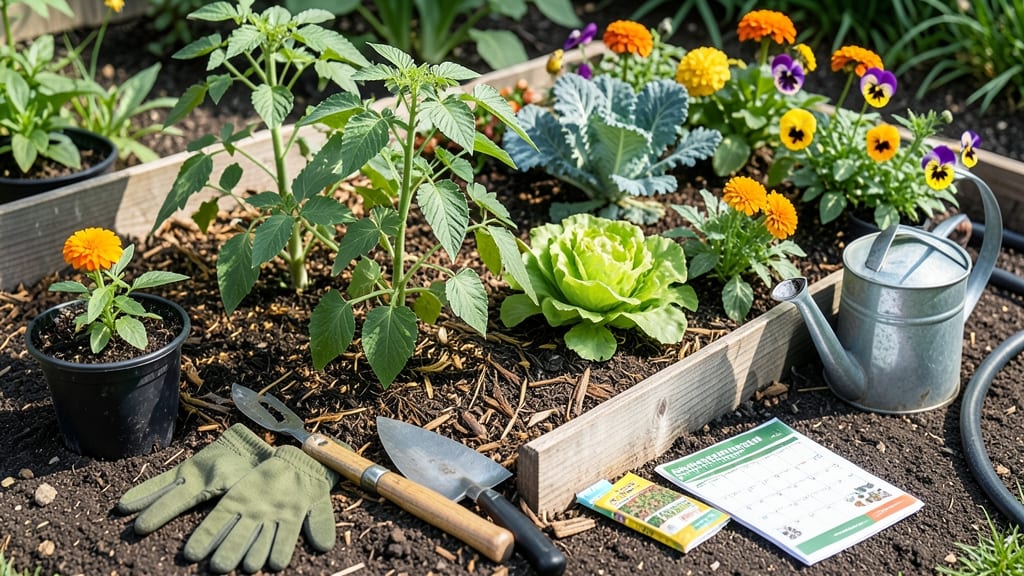
Planting your garden in East Tennessee at the right time can mean the difference between a bountiful harvest and a sad, frost-bitten disappointment. With USDA Zones 6-7's unpredictable spring weather, timing is everything—especially when you're waiting for warm soil and those last frost warnings to lift.
I've learned the hard way that rushing into the garden too early often leads to wilting seedlings or stunted growth. But planting too late? That means missing out on summer's best produce.
The key lies in understanding your local microclimate—whether you're in the Smoky Mountain foothills or a valley town—and knowing when to start seeds indoors versus direct-sowing outdoors.
In this guide, I'll walk you through the perfect planting windows for your East Tennessee garden, from cool-season crops like spinach to heat-lovers like tomatoes. You'll discover how to adjust for elevation, extend your growing season with simple tricks, and avoid common mistakes that trip up even experienced gardeners.
Ready to grow a garden that thrives all season long? Let's get started with the exact timing you need for zero-frost success in your backyard.
East Tennessee planting schedule by season: frost dates and ideal windows
East Tennessee’s USDA Zones 6-7 create a delicate balance for gardeners—last frost dates typically arrive between March 15 and April 15, while first frosts often hit October 15-30.
Valley areas like Knoxville experience slightly warmer microclimates, while higher elevations (e.g., Great Smoky Mountains) may face frost 2-3 weeks earlier. Plan your garden around these windows to avoid frost damage or missed harvests.
For cool-season crops like spinach and kale, start seeds indoors by February 15 and transplant outdoors after last frost. In valleys, this means mid-April; in higher elevations, wait until late April. These crops thrive in cooler temperatures and can even handle light fall frosts if covered.
Warm-season crops such as tomatoes and peppers demand patience—wait until soil temperatures reach 60°F+, usually mid-May in valleys and late May in higher areas. Use row covers to extend the season if needed, but avoid planting before last frost or seedlings will suffer.
Year-round options like herbs (basil, parsley) and lettuce offer flexibility. Basil prefers warm soil and should wait until after last frost, while lettuce tolerates cooler temps and can be sown March-April and again in late summer for a fall harvest.
Here’s a quick reference for East Tennessee’s planting windows, adjusted for valleys vs. higher elevations:
| Crop Type | Valley Planting Window | High Elevation Window | Notes |
|---|---|---|---|
| Cool-Season Crops | Feb 15 (indoors), Apr 15 (outdoors) | Feb 15 (indoors), Apr 30 (outdoors) | Spinach, kale, broccoli. Use row covers for fall harvests. |
| Warm-Season Crops | May 15 (after last frost) | May 30 (after last frost) | Tomatoes, peppers, cucumbers. Wait for soil >60°F. |
| Year-Round Herbs | Mar-Apr (parsley), May (basil) | Mar-Apr (parsley), late May (basil) | Basil needs warmth; parsley tolerates cooler temps. |
| Fall Succession Crops | Aug 1 (lettuce, radishes) | Aug 15 (lettuce, radishes) | Choose fast-maturing varieties for harvest before frost. |
Adjust your schedule based on microclimates. South-facing slopes warm up faster, while north-facing areas may need 2-3 weeks later planting. For example, tomatoes in a sheltered valley spot might tolerate early May planting, while those in mountain gardens should wait until June 1 to avoid frost.
Use soil thermometers to confirm readiness—warm-season crops need soil at 60°F+, while cool-season crops thrive in 50-60°F. In Zone 7 areas (e.g., Chattanooga), you can push warm-season crops slightly earlier, but always monitor weather forecasts for late frosts.
For herbs like cilantro, which bolts in heat, plant in early spring or late summer for a fall harvest. Lettuce can be sown every 2-3 weeks from March through September, ensuring a steady supply. Succession planting is key—don’t let your garden go bare for long.
Pro tip: Mark your last frost date on your calendar and count back 6-8 weeks for warm-season crops to start seeds indoors. For cool-season crops, count forward 4-6 weeks from your target harvest date (e.g., Christmas greens need early summer planting).
East Tennessee’s humidity and rainfall also play a role—June-August can bring heavy rains, so prioritize well-draining soil for crops like pe
How to extend your East Tennessee growing season naturally
East Tennessee's short growing season doesn't mean you're limited to summer harvests. With the right techniques, you can push your planting windows by 4-6 weeks on either end—giving you fresh veggies from spring to fall.
I've used these methods in my own Zone 7 garden to grow tomatoes in April and kale in October, and I'll show you how.
The key is combining season extension tools with smart planting strategies. Whether you're dealing with late spring frosts or early fall chills, these natural methods will help you maximize your garden's potential without expensive equipment or fancy setups. Let's break down what works best for our region's climate.
🌱 5 Natural Ways to Extend Your East Tennessee Growing Season
- Cold Frames: Use clear plastic or glass lids over raised beds to trap heat. Start spinach and lettuce in March and extend harvest until November. My frame adds 10-15°F protection—perfect for our Zone 6-7 frosts.
- Row Covers: Lightweight fabric lets sunlight through while blocking 2-4°F temperature drops. I cover broccoli and cabbage in May to prevent late frosts, then remove when temps stay above 50°F at night.
- Succession Planting: Stagger lettuce, radishes, and carrots every 2 weeks from April to July. This ensures continuous harvests—no gaps between crops when one bolts or matures.
- Heat-Tolerant Varieties: Swap standard tomatoes for 'Heatmaster' or 'Solar Fire'—they thrive in 90°F+ heat. I also grow 'Black Seeded Simpson' lettuce, which stays crisp in summer.
- Indoor Seed Starting: Begin tomatoes, peppers, and eggplants indoors in February (6-8 weeks before last frost). Transplant after soil warms to 60°F+. This gives them a 3-4 week head start over direct-sown seeds.
For cool-season crops, I start seeds indoors in late February for early spring harvests. Lettuce, spinach, and peas can handle light frosts, so I direct-sow them 2-3 weeks before last frost (typically mid-April in most of East Tennessee). Use row covers for extra protection during unpredictable spring nights.
When extending the fall season, focus on heat-tolerant greens like 'Winter Density' kale or 'Deer Tongue' lettuce. Plant these in late July-August for harvests through October. Mulch heavily with straw or leaves to insulate roots from early frosts—this buys you 2-3 extra weeks of growing time.
Don't overlook perennial herbs like thyme, oregano, and rosemary—they thrive year-round in East Tennessee with minimal care. I plant them near the house so I can harvest fresh flavors even in winter.
For annuals, succession planting is your best friend: Radishes mature in 30 days, so I sow new rows every 2 weeks from spring to fall.
Remember, soil temperature matters more than air temperature. Use a soil thermometer—most seeds need soil at 60°F+ to germinate. In my garden, this usually means waiting until mid-May for warm-season crops like beans and cucumbers. Patience here prevents wasted seeds and stunted plants.