
Plants
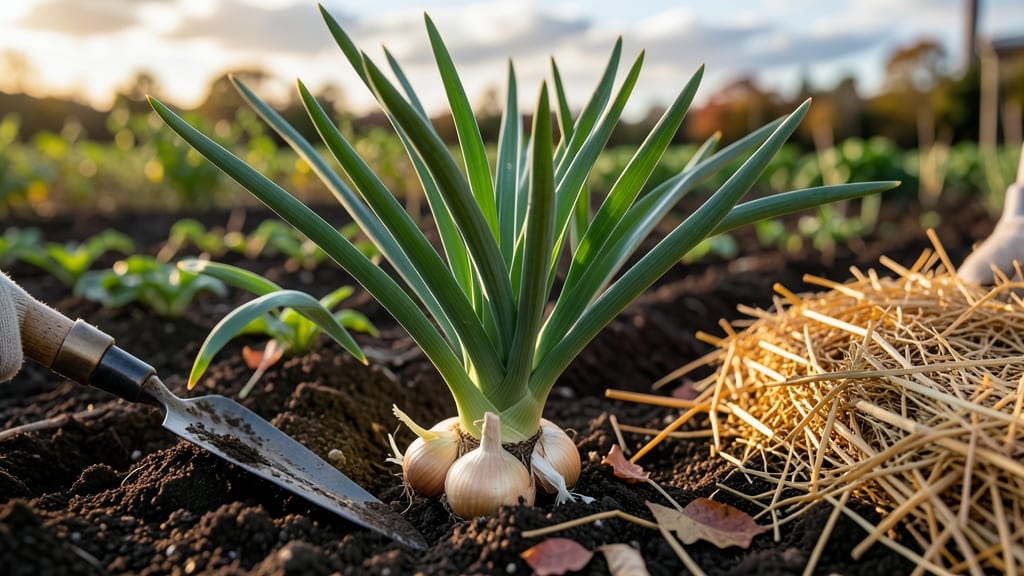
Planting garlic in North Carolina at the wrong time can mean the difference between a bountiful harvest and a wasted season. The key to success lies in timing it perfectly—between late September and November—when the soil is cool but not frozen, and the days grow shorter.
Here in zones 6a-8a, the first frost typically arrives around mid-October, giving you a narrow window to get those cloves in the ground before winter sets in.
But don’t worry—even if you miss the ideal window, I’ll show you how to adjust for your specific region, whether you’re in the Piedmont, Coastal Plain, or Mountains.
Why does timing matter so much? Garlic needs 6-8 weeks of cold weather to form bulbs, but if planted too early, it’ll sprout prematurely and struggle in the heat.
Too late, and the ground freezes before the roots establish. Let’s break down the exact steps to plant your 🧄 for a thriving crop next summer.
From soil prep to frost protection, I’ll walk you through everything you need to know to ensure your garlic survives North Carolina’s winters—and comes back stronger for harvest season. Ready to dig in?
North Carolina’s ideal garlic planting window: exact dates by region
North Carolina’s diverse climate zones (USDA 6a-8a) mean garlic planting dates vary dramatically from the Coastal Plain to the Mountains. Planting too early risks premature sprouting in warm soil, while late planting exposes cloves to frost damage before roots establish.
The sweet spot? 4-6 weeks before ground freezes—when soil temps hover around 50-60°F.
Your region’s first frost date is your planting deadline. In USDA Zone 6a (Mountains), that’s typically October 15, while Zone 8a (Coastal Plain) can go until November 10. Soil temperature—not air temperature—triggers garlic growth, so use a soil thermometer to confirm readiness.
Here’s how to pinpoint your ideal planting window based on North Carolina’s three main regions:
For Mountains gardeners, aim for late September planting—soil warms faster at higher elevations, but cold snaps arrive earlier. In the Piedmont, mid-October is ideal, balancing frost risk with soil warmth. Meanwhile, Coastal Plain gardeners can push planting into early November, thanks to milder winters.
Pro tip: If your soil stays above 60°F in late September, wait until October 1 to plant—premature sprouting weakens cloves. Use a soil thermometer to check temps at 4-inch depth, where garlic roots will grow.
Hardneck varieties like ‘Music’ (Piedmont favorite) need cold vernalization to form bulbs, so planting in Zone 7a by October 15 ensures they’ll produce scapes next summer. Softneck types like ‘Silverskin’ are more flexible but still thrive with 60-day cold exposure.
Microclimates matter! If your garden sits in a frost pocket (common in valleys), plant garlic 2 weeks earlier than the regional average. Conversely, urban heat islands may delay frost—monitor local weather forecasts for 32°F warnings.
Once planted, garlic will linger in the soil until harvest (June-July). The 6-week rule applies: bulbs need 60 days of cold temps (40°F or below) to form properly. In Zone 8a, this means planting by November 1 to avoid skipping this critical window.
Don’t stress if your planting window slips by a week. Garlic is hardy—just add mulch (straw or leaves) to insulate cloves from freeze-thaw cycles. But for maximum bulb size, stick to the 4-6 week pre-frost rule.
🌱
How to time garlic planting for zero-frost survival in NC’s harsh winters
North Carolina’s winters can be unpredictable, with sudden hard freezes that turn garlic cloves into icy mush if planted too late—or premature sprouting if planted too early. The key to zero-frost survival lies in understanding your local frost dates and adjusting your planting schedule accordingly.
Unlike spring-planted garlic (which rarely matures in NC’s short season), fall-planted garlic needs 6-8 weeks of cold dormancy before spring growth begins.
Start by checking your USDA hardiness zone—NC ranges from 6a (Mountains) to 8a (Coastal Plain). In Zone 6a, your last planting window might be early October, while Zone 8a gardeners can plant as late as mid-November.
The rule of thumb? Plant 4-6 weeks before the ground freezes, when soil temps drop to 40-50°F. This ensures roots establish before winter sets in.
If you wait until after November 15 in most of NC, your garlic may not develop bulbs before harvest time. The 6-week rule applies: Garlic needs 6 weeks of cold temps (32-40°F) before spring growth kicks in. Without this, bulbs stay small and weak.
Solution: Use a frost calendar (like the NC State Extension’s) or a soil thermometer to track temps. If temps drop below 32°F consistently, cover beds with straw or row fabric.
Microclimates complicate things. A south-facing slope might stay 5°F warmer than a north-facing valley, delaying frost by 1-2 weeks. Test your spot: Bury a thermometer in moist soil at 4-inch depth (where garlic roots grow) for 3 days.
If temps hover around 50°F, it’s safe to plant. For extra protection, choose hardneck varieties like ‘Music’ or ‘Chesnok Red’, which tolerate colder soils better than softnecks.
Once planted, mulch heavily with straw or leaves (4-6 inches) to insulate cloves. Avoid plastic mulch—it traps moisture and can rot garlic. In Zone 6a, add a row cover or frost blanket during sub-zero nights.
Remove covers in early spring (March) to prevent overheating. Water sparingly in winter—1 inch every 3-4 weeks—unless soil is bone-dry.
The 6-week rule before harvest is non-negotiable. Count back 6 weeks from your average last frost date (April 15 in most of NC) to determine when bulbs should be fully formed. For example, if your last frost is April 15, aim for a June 1 harvest.
If you’re in Zone 8a (later frost), you might harvest as late as mid-July. Watch for lower leaves browning—this signals bulbs are ready.
Pro tip: Mark your planting date on a calendar and circle the harvest window 8-9 months later. Adjust next year’s planting based on what worked (or failed). With this method, you’ll dodge frost, outsmart microclimates, and enjoy plump, flavorful garlic every summer—no matter how harsh NC’s winters get. 🌱