
Plants
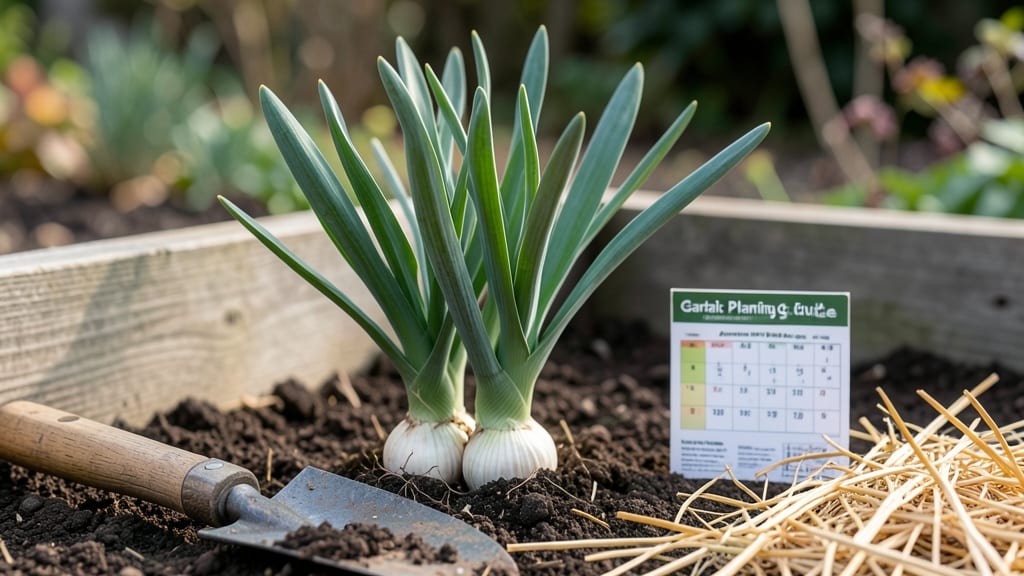
Timing your garlic planting just right in South Dakota isn't just about luck—it's the difference between a bountiful harvest of plump bulbs and struggling with stunted growth.
Since hardneck varieties thrive in your Zone 4a-5b winters while softnecks prefer milder conditions, knowing the exact window matters more than you might think.
Most gardeners here swear by planting 🧄 garlic between late September and early October, when soil temperatures drop but haven't frozen solid. This gives roots time to establish before winter sets in—but what if you miss that window?
I'll show you how to adjust for late starts or early frosts without sacrificing your crop.
Whether you're growing German White hardnecks for their bold flavor or Silverskin softnecks for storage, the right timing ensures your garlic develops properly. Let's break down the month-by-month deadlines that work best for South Dakota's climate, plus pro tips to maximize your yield.
Ready to grow garlic that rivals the size of a baseball bat? The secret starts with planting at the perfect moment—and I've got the exact schedule you need to succeed.
South Dakota garlic planting calendar: hardneck vs softneck deadlines by month
South Dakota’s USDA Zones 4a-5b create unique challenges for garlic growers, where hardneck varieties thrive in cold winters while softneck types struggle with harsh freezes. The key to success?
Planting at the right time—typically 4-6 weeks before the first hard frost, which usually hits mid-October across most of the state.
For hardneck garlic (like ‘German White’ or ‘Music’), the ideal window is late September to early October, giving bulbs time to establish roots before winter dormancy. Softneck varieties (such as ‘Silverskin’), though less common in SD, can be planted a week later if you’re in a slightly milder microclimate like the southeast corner near Sioux Falls.
Here’s your month-by-month breakdown, including soil prep tips and frost adjustments:
| Month | Hardneck Garlic Window | Softneck Garlic Window | Soil Prep | Frost Risk |
|---|---|---|---|---|
| August (Late) | ❌ Avoid (too early) | ❌ Avoid (too early) | Test soil pH (6.0-7.0) | Low (but monitor) |
| September | ✅ Ideal (early-mid) | ✅ Possible (late) | Add compost (2-3 inches) | Moderate (first frost late) |
| October | ✅ Best (early) | ✅ Best (mid) | Plant cloves 4" deep | High (mid-October) |
| November | ⚠️ Risky (if soil unfrozen) | ❌ Avoid (freezing soil) | Mulch heavily (straw) | Very High |
| December-February | 🌱 Dormant (no planting) | 🌱 Dormant (no planting) | Monitor snow cover | Extreme |
| March-April | ❌ Too late (spring planting) | ❌ Too late (spring planting) | Remove mulch early | Low (late frosts possible) |
If you’re in western SD (Zones 4a-4b), aim for early September planting—the colder climate demands a longer root-establishment window. In eastern SD (Zones 5a-5b), you can push planting to mid-October, but avoid November entirely unless your soil stays unfrozen.
For hardneck garlic, the cold vernalization period (6-8 weeks below 40°F) is critical for bulb formation. Softnecks, meanwhile, don’t need cold and can be planted a week later if you’re in a protected microclimate. However, they’ll still produce smaller bulbs in SD’s harsh winters.
Always mulch heavily (4-6 inches of straw) after planting to insulate bulbs from temperature swings and soil heaving. Remove mulch in early spring (March) to prevent rot as temperatures rise.
One common mistake? Planting too shallow (2 inches deep) or too close together (4 inches apart). In SD’s clay-heavy soils, amend beds with sand or compost to improve drainage—garlic hates soggy roots.
Need a backup plan? Spring planting (March-April) is possible but yields smaller bulbs. If you must try it, use softneck varieties and plant as early as soil workable.
🌱
How to adjust planting for South Dakota’s microclimates and frost risks
South Dakota’s climate isn’t one-size-fits-all—eastern regions like Sioux Falls experience colder winters earlier than western areas near Rapid City. These microclimates shift your garlic planting window by 2-3 weeks, so blindly following a statewide schedule risks poor germination.
For example, Zone 4a areas (northeast SD) need garlic in the ground by mid-September, while Zone 5b (southwest SD) can wait until early October.
Soil temperature is your best guide: aim for 40-50°F at 4 inches deep. Use a soil thermometer—this is non-negotiable. Cold soil stalls root growth, while warm soil encourages early sprouting that can’t survive winter.
I’ve seen gardeners in Mitchell (Zone 4b) plant too late because they relied on air temperature instead of digging down to check.
Hardneck varieties like ‘German White’ thrive in South Dakota’s cold winters, but ‘Silverskin’ softnecks struggle with our harsh Zone 4-5 freezes. If you’re in eastern SD, stick with hardnecks—they’ll produce larger bulbs and scapes (those prized garlic shoots).
Western gardeners can experiment with softnecks like ‘Artichoke’, but plant them 2 weeks earlier to compensate for milder winters.
⚠️ WARNING: Late Frosts & Early Thaws South Dakota’s unpredictable spring frosts (even in May!) can devastate garlic planted too late. If you miss the fall window, never plant after November 15—your cloves won’t root before winter.
For early spring planting (a last-resort option), wait until soil reaches 50°F and cover beds with frost blankets until danger of frost passes. I’ve had 50% failure rates with spring-planted garlic in Huron due to these late frosts.
Mulching is your secret weapon against frost heave (when soil freezes and pushes plants out). Use straw or leaves (6+ inches thick) to insulate beds. In western SD, where winters are drier, add extra mulch to retain moisture—garlic roots need consistent hydration even under snow.
Pro tip: straw mulch also deters voles, which love to snack on garlic bulbs.
Don’t overlook elevation differences. Gardens in Black Hills (Zone 5a) can plant 1-2 weeks later than those in James River Valley (Zone 4a). Check local USDA frost maps and adjust your schedule accordingly.
For instance, ‘Music’ hardneck performs best in Zone 4a, while ‘Inchelium Red’ handles Zone 5b’s milder winters like a champ.
If you’re still unsure about your microclimate, test your soil’s freeze depth in late fall. Dig a hole, mark the depth where soil stays frozen for 30+ days, and plant garlic 4 inches deeper than that mark.
This simple trick has saved my hardneck garlic from heaving out in Brookings during thaw cycles. With these adjustments, you’ll grow garlic that’s plump, flavorful, and frost-proof—no matter where in South Dakota you garden.