
Plants
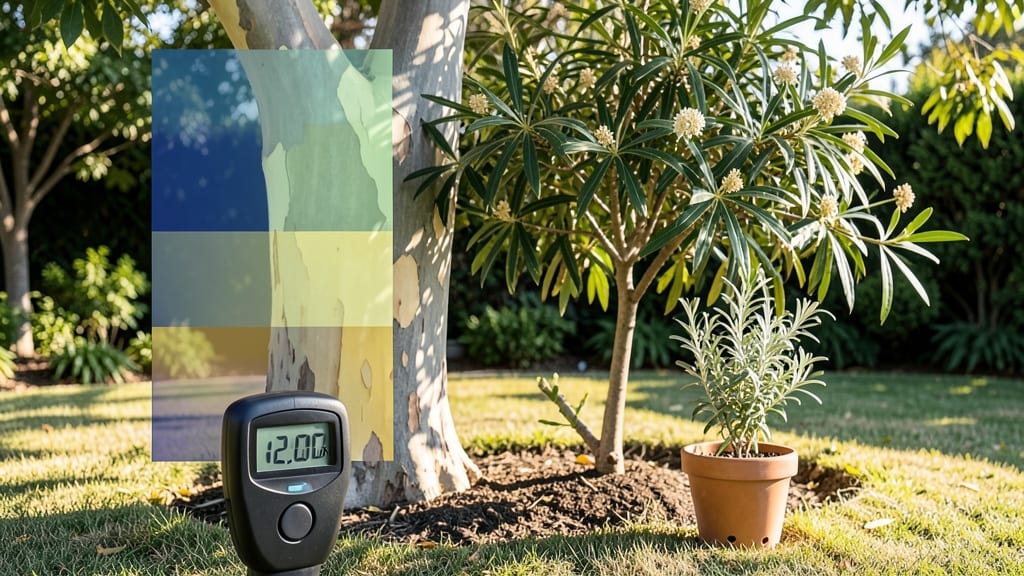
To grow a thriving eucalyptus 🌳, you need to know its light requirements—because too little sun means weak growth, while too much can stress the plant. This fast-growing tree craves bright sunlight, but not all varieties handle it the same way, and regional climates play a huge role.
Most eucalyptus varieties thrive in full sun, needing at least 6-8 hours of direct light daily to stay healthy. However, some types—like the Silver Dollar eucalyptus—can tolerate partial shade, especially in hotter climates where afternoon sun might scorch leaves.
If you're growing eucalyptus in containers or indoors, positioning is key. Place it near a south-facing window or supplement with grow lights to mimic natural sunlight. Without enough light, you’ll notice slow growth, pale leaves, or even leaf drop—clear signs your plant is struggling.
Let’s break down exactly how much light your eucalyptus needs based on its variety and where you live, so you can give it the perfect growing conditions for a strong, vibrant tree.

Eucalyptus light requirements by variety: full sun vs partial shade needs
Eucalyptus trees thrive under bright sunlight, but their exact light requirements vary by variety. Native to Australia's sun-drenched landscapes, most eucalyptus species crave 6-8+ hours of direct sunlight daily.
However, some varieties tolerate partial shade, especially in hot climates or container settings. Understanding these differences ensures your eucalyptus grows vibrant and healthy rather than leggy or stressed.
Native to Australia's diverse climates, eucalyptus trees have adapted to everything from coastal breezes to arid inland heat. Coastal varieties like Silver Dollar Eucalyptus often handle partial shade better than inland species such as Manna Gum, which demands full sun.
Even within the same species, container-grown plants may need slightly more light than those planted in-ground.
Here’s how to match your eucalyptus variety to the right light exposure for optimal growth:
| Variety | Native Climate | Ideal Light | Tolerance for Shade | Best For |
|---|---|---|---|---|
| Gum Tree (Eucalyptus camaldulensis) | Arid inland Australia | Full sun (8+ hours) | Low tolerance; leggy growth | Drought-prone gardens, warm climates |
| Silver Dollar (Eucalyptus cinerea) | Coastal Australia | Full sun to partial shade (4-6 hours) | Moderate; handles morning shade | Containers, urban gardens, mild climates |
| Manna Gum (Eucalyptus viminalis) | Temperate forests | Full sun (6-8 hours) | Low; prefers bright light | Larger landscapes, open spaces |
| Blue Gum (Eucalyptus globulus) | Tasmania, cool coastal | Full sun (6-8 hours) | Moderate; tolerates afternoon shade | Cooler climates, windy areas |
| Dwarf Blue Box (Eucalyptus polybractea) | Mountainous regions | Full sun to partial shade (3-6 hours) | High; adaptable to shade | Containers, small gardens, indoor light |
| Cider Gum (Eucalyptus gunnii) | Tasmanian highlands | Full sun (6-8 hours) | Low; prefers bright conditions | Ornamental gardens, cooler zones |
The Gum Tree and Manna Gum are the most demanding, requiring 8+ hours of sunlight to prevent weak, spindly growth. These varieties thrive in USDA Zones 8-11 where summers are long and hot.
In contrast, the Silver Dollar and Dwarf Blue Box are more flexible, making them ideal for containers or urban gardens with limited sunlight.
If you’re growing eucalyptus in cooler climates (Zones 6-7), prioritize south-facing exposures to maximize sunlight hours. In hot desert regions (Zones 9-11), afternoon shade can protect leaves from scorching while still providing enough light.
Always acclimate new plants gradually to avoid sunburn or leaf scorch, especially when transitioning from shade to full sun.
For container-grown eucalyptus, rotate pots weekly to ensure even light exposure. Dwarf varieties like Dwarf Blue Box can adapt to indoor light near south-facing windows, but supplement with a grow light if growth slows.
Avoid placing eucalyptus in deep shade—even shade-tolerant varieties will develop yellowing leaves and stunted growth over time.
Pro tip: Observe your eucalyptus’s leaf color and growth pattern. Healthy leaves should be deep green and glossy, while pale or yellowing leaves signal insufficient light. If your plant stretches toward the sun with long, weak stems, it’s begging for more brightness.
Adjust its position or supplement with a reflective surface to bounce light onto the foliage.
In urban environments, eucalyptus can struggle with air pollution or limited airflow, which exacerbates light stress. If your tree is in a polluted area, consider pruning to improve air circulation and ensure even light distribution. Mulching with organic matter
Signs your eucalyptus isn’t getting enough light (and how to fix it)
If your eucalyptus tree looks leggy or pale, it’s likely starving for sunlight. These evergreens thrive on full sun exposure, and when deprived, they show dramatic signs. The good news? Recognizing these symptoms early lets you revive your plant before permanent damage occurs.
Watch for yellowing leaves starting at the bottom—this classic light deficiency sign means your eucalyptus isn’t photosynthesizing efficiently. You may also notice weak, spindly stems stretching toward any available light source, a clear indicator of etiolation.
Even the growth rate slows dramatically, leaving your tree looking stunted compared to healthy specimens.
⚠️ callout warning ⚠️
🌳 How Much Light Does a Eucalyptus Plant Need?
Minimum: 6 hours of direct sunlight daily
Ideal: 8+ hours of full sun exposure
Critical: No less than 4 hours—below this, growth suffers
Indoor note: South-facing windows provide closest match to outdoor light
To fix light deprivation, start by gradually acclimating your eucalyptus to more sun. Move it incrementally over 1-2 weeks—begin with 2 extra hours of sunlight daily, then increase. This prevents sunburn on leaves unaccustomed to bright conditions. For container-grown plants, rotate the pot weekly to ensure even light exposure.
If your space lacks natural light, supplementary grow lights are a game-changer. Use full-spectrum LED bulbs 12-16 inches above the plant for 12-14 hours daily. Position lights to mimic the sun’s arc—move them as the day progresses to prevent one-sided growth.
For severe deficiencies, consider a sunroom or greenhouse setup during winter months.
Prune overly elongated branches to encourage bushier growth and redirect energy to healthier foliage. Focus on cutting back leggy stems by ⅓ to promote denser branching. Combine this with a balanced fertilizer (5-10-10 ratio) to support recovery.
Monitor your plant’s response—within 4-6 weeks, you should see darker green leaves and stronger stems.
Remember, eucalyptus trees won’t tolerate shade long-term. While they may survive in partial shade, their growth rate plummets, and they become vulnerable to pests.
Invest in proper lighting now to ensure your eucalyptus reaches its full majestic potential—because once it’s thriving in the sun, it’s nearly indestructible. 🌿