
Plants
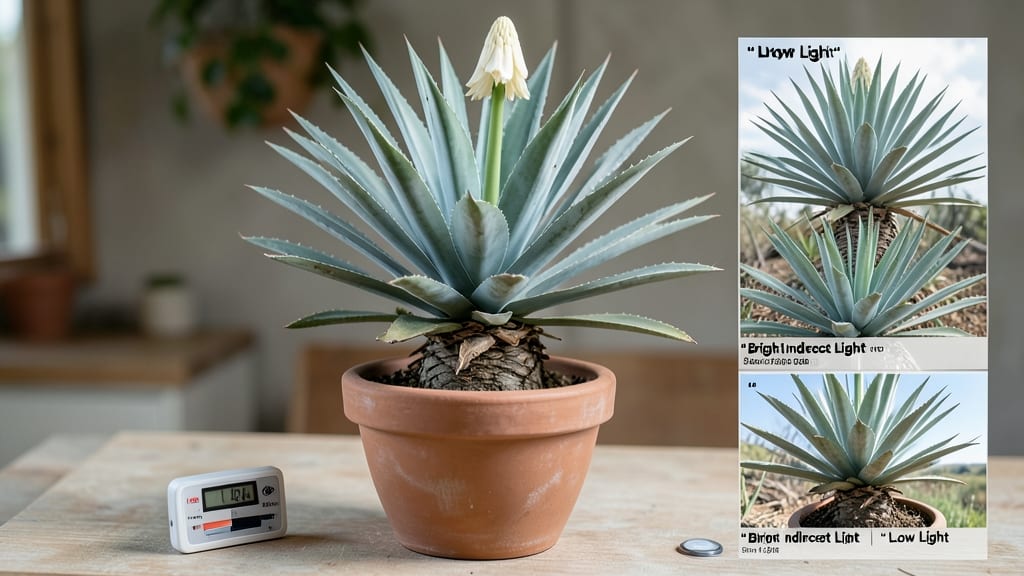
If your 🌵 yucca plant keeps struggling despite your best care efforts, you might be missing how much light the plant needs.
This drought-loving shrub isn’t just surviving on good intentions—it demands the right amount of sunlight to thrive, and getting it wrong can mean the difference between a lush, upright plant and a sad, leggy shadow of its former self.
Most gardeners assume "full sun" means hours of harsh, midday rays, but yucca plants actually prefer bright indirect sunlight—think filtered light that still packs a punch. Too little, and you'll notice weak growth or yellowing leaves.
Too much, and those sharp-edged foliage can scorch before your eyes. The key is finding that sweet spot where your yucca gets enough light to fuel its growth without becoming a crispy snack.
Whether you're growing your yucca in a sunny garden bed or a container on your patio, understanding its light needs is the first step to keeping it happy.
I'll show you exactly how to assess your plant's light situation, spot the warning signs of improper exposure, and adjust your care routine to give your yucca the perfect growing conditions—no guesswork required.
Ready to transform your struggling yucca into a showstopper? Let's dive into the science and practical tips that will have your plant reaching for the sky in no time—because once you get the light right, everything else falls into place.

Optimal light requirements for yucca plants: sunlight needs explained
Yucca plants are sun lovers, but understanding their exact light needs can mean the difference between a thriving yucca plant and a struggling one. These desert natives evolved to thrive under intense sunlight, but their light requirements can vary slightly based on species and growing conditions.
Let me break down the science and practical tips to help you master their sunlight needs.
Yuccas belong to the Agavaceae family and have adapted to arid environments where sunlight is abundant. Their photosynthesis efficiency peaks in bright, direct light, which helps them produce energy efficiently while minimizing water loss.
However, not all yuccas are created equal—some varieties tolerate partial shade better than others, especially in hot climates where afternoon sun can be too harsh.
| Yucca Type | Ideal Light | Min. Sun Hours | Signs of Stress |
|---|---|---|---|
| Yucca filamentosa (Adam's Needle) | Full sun to partial shade | 6+ hours | Yellowing leaves, leggy growth |
| Yucca gigantea (Spanish Dagger) | Full sun only | 8+ hours | Brown leaf tips, scorched foliage |
| Yucca rostrata (Beaked Yucca) | Full sun with afternoon shade | 6+ hours | Stunted growth, pale leaves |
| Yucca recurvifolia (Spineless Yucca) | Full sun to bright indirect | 5+ hours | Etoliation (stretched stems) |
For most yucca species, full sun exposure (6+ hours of direct sunlight daily) is ideal. This means placing your plant in a location where it receives unfiltered sunlight for most of the day, such as a south-facing window or an outdoor spot with no overhead shade.
In regions with intense summer heat, like the desert Southwest, yuccas may benefit from afternoon shade to prevent leaf burn.
If your yucca isn’t getting enough light, you’ll notice yellowing leaves or leggy growth as it stretches toward any available light source. This condition, called etiolation, occurs when the plant isn’t producing enough chlorophyll due to insufficient light.
To fix this, move your yucca closer to a bright window or supplement with a grow light if indoors.
On the other hand, too much direct sunlight without acclimation can cause brown tips or crispy edges on the leaves. This is especially common in container-grown yuccas that are suddenly moved from shade to full sun.
To prevent this, gradually introduce your yucca to more sunlight over 7-10 days, increasing exposure by 1-2 hours per day.
In indoor settings, yuccas thrive near south- or west-facing windows where they can receive the most sunlight. If your home doesn’t have ideal natural light, consider using a full-spectrum LED grow light for 12-14 hours per day.
Avoid placing yuccas in north-facing windows, as these typically offer only indirect light, which is insufficient for long-term health.
Outdoor yuccas should be planted in well-draining soil with minimal competition from other plants. In landscape beds, ensure they’re positioned where they won’t be shaded by trees or structures.
If you’re growing yuccas in USDA zones 5-9, they can handle winter dormancy with reduced light, but they’ll still need at least 4-6 hours of sunlight even in colder months.
One common mistake is assuming all yuccas need the same light intensity. For example, Yucca gigantea requires full sun year-round, while Yucca filamentosa can tolerate partial shade in hot afternoons. Always check the specific needs of your yucca variety to avoid over- or under-exposing it.
To test if your yucca is getting the right amount of light, observe its leaf color and growth pattern. Healthy yucca leaves should be deep green with a slight blue-gray tint, especially in hot climates.
If the leaves turn yellow or brown, adjust the light or watering immediately. With the right sunlight balance, your yucca will reward you with sturdy growth and striking foliage for years to come.
How to adjust light for indoor vs. outdoor yucca plants
Yucca plants thrive in bright, direct sunlight, but their light needs vary dramatically between indoor and outdoor environments. Indoors, they need a south-facing window with at least 6 hours of sunlight daily, while outdoors, they can handle full sun exposure for 8+ hours.
The key is understanding how to adapt their placement as seasons change or when moving them between spaces.
Indoor yuccas often struggle with low light conditions, leading to leggy growth and weak stems. Outdoors, they may suffer from sunburn if suddenly exposed to intense afternoon sun. Balancing these factors ensures your yucca stays healthy year-round, whether it’s gracing your patio or sitting on your kitchen windowsill.
Indoor vs. Outdoor Light Adjustments for Yucca
Indoor Light (Windowsill)
- Pros: Controlled environment, protects from pests
- Cons: Limited natural light, risk of overwatering
Outdoor Light (Garden/Patio)
- Pros: Full sun exposure, natural growth
- Cons: Risk of sunburn, seasonal light changes
For indoor yucca care, place your plant on a south-facing windowsill where it can receive unfiltered sunlight. If your windowsill isn’t sunny enough, supplement with a grow light placed 12-18 inches away for 12-14 hours daily.
Rotate the pot weekly to ensure even growth, as yuccas naturally lean toward light sources.
Outdoors, yuccas love full sun exposure but need gradual acclimation if moving from indoor to outdoor spaces. Start with morning sun only for a week, then slowly increase exposure.
In hot climates, provide afternoon shade to prevent leaf scorch. Mulch around the base to retain moisture and regulate soil temperature.
Seasonal changes require adjustments too. In winter months, indoor yuccas may need supplemental grow lights due to shorter daylight hours. Outdoors, yuccas can tolerate partial shade in summer if temperatures exceed 90°F, but aim for at least 4 hours of direct sun daily to maintain vigor.
Watch for light deficiency signs like yellowing leaves or elongated stems, which indicate insufficient light. Conversely, brown leaf tips or crispy edges signal too much direct sun. Adjust placement accordingly—move indoors during heatwaves or add shade cloth outdoors if needed.