
Companion Plants
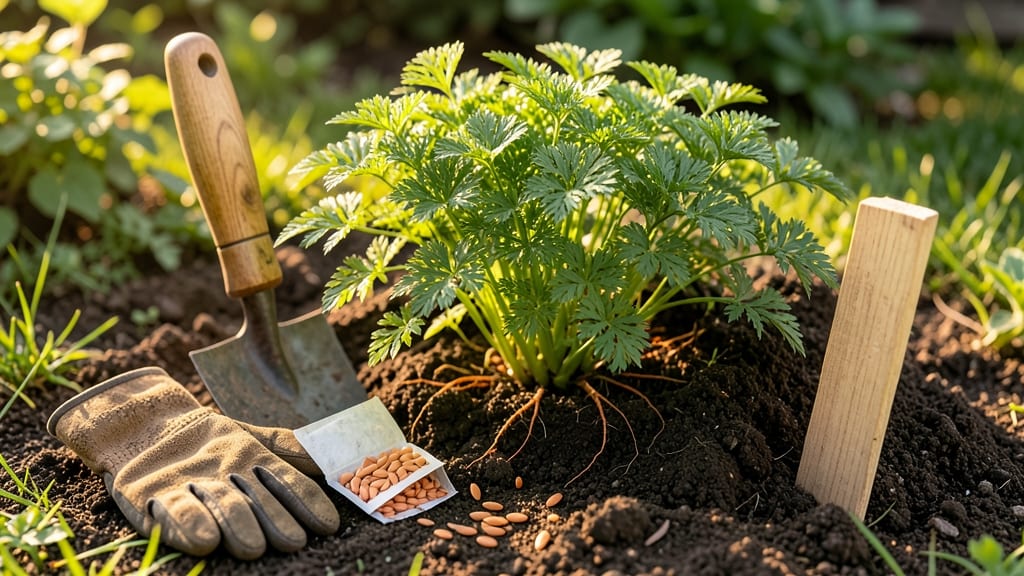
Planting carrots at the wrong time in Zone 6 can turn your crisp, sweet dreams into a bitter disappointment. The key to growing perfect 🥕 roots lies in understanding your local frost dates and soil temperatures—because those tiny seeds won’t tolerate cold soil or late frosts.
If you’ve ever wondered why some gardeners swear by early spring plantings while others prefer late summer, the answer is simple: timing matters more than you think.
In Zone 6 (6a-6b), your best window starts as early as mid-March when soil warms to at least 50°F, but you can also extend your harvest with smart succession planting.
I’ll break down the exact frost-free timeline for Zone 6, including when to plant for spring vs. fall harvests, and how to avoid common mistakes that ruin carrot crops.
Whether you’re a beginner or a seasoned gardener, these tips will help you grow carrots that are sweet, straight, and ready to harvest.
Ready to dig in? Let’s get your carrot patch off to the right start—no more stunted roots or wasted seeds!
Zone 6 carrot planting calendar: exact dates for frost-free success
Timing your carrot plantings in Zone 6 is all about beating the last frost while avoiding the first frost of fall. Carrots thrive in cool soil and need consistent moisture, so planting too early or late can lead to bitter, woody roots or failure to germinate.
My Zone 6 garden has taught me that success hinges on soil temperature, frost dates, and variety selection.
In Zone 6, the average last frost date falls around mid-April, but this can vary by 1-2 weeks depending on your microclimate. For fall plantings, I aim to finish harvesting before the first frost in mid-October.
This narrow window makes precise timing critical—especially for direct-sown seeds, which take 60-80 days to mature.
Here’s the summary table of my proven planting windows, including soil temperature requirements and frost risk analysis for Zone 6:
For spring plantings, I start with hardy varieties like 'Paris Market' in late February if the soil temperature hovers around 45°F. These early plantings benefit from row covers or cloches to shield seedlings from late frosts.
By mid-April, when the risk of frost drops, I switch to Danvers Half Long or Chantenay for their disease resistance and sweet flavor.
In summer, I avoid planting carrots during the hottest months (June-July) because the soil can dry out too quickly, leading to bolting or bitter roots. Instead, I opt for shorter varieties like 'Little Finger' and focus on succession planting every 2-3 weeks to maintain a steady harvest.
These plantings thrive in cooler evening temperatures and well-drained soil.
Fall plantings are my favorite because they yield the sweetest carrots. I start seeds in late July for a mid-September harvest, using Autumn King or St. Valery, which handle cooler soil temperatures.
To extend the season, I add straw mulch and row covers to protect against early frosts. This ensures I can harvest well into October.
One critical mistake I’ve made is ignoring soil temperature. Carrot seeds won’t germinate in cold soil (below 45°F), so I always test the soil depth with a soil thermometer.
If the top 2 inches are below 50°F, I wait or use black plastic mulch to warm the soil faster. This simple step has saved me from failed plantings in Zone 6’s unpredictable springs.
For transplanting, I’ve found that carrot seedlings don’t handle transplant shock well, so I stick to direct sowing. If you’re using starter plants, choose container-grown varieties and transplant them when they’re 3-4 inches tall, keeping the soil moist to
How to extend your carrot harvest in Zone 6: succession planting strategies
Succession planting is my secret weapon for avoiding the dreaded carrot glut—and the equally frustrating empty garden phase that follows.
In Zone 6, where our growing season stretches from mid-April to mid-October, staggered plantings let me enjoy fresh carrots for 6+ months instead of just a few weeks. The key? Strategic timing and variety selection to match your climate's quirks.
I’ve learned that spring and fall plantings work best in Zone 6, but the devil’s in the details. For example, 'Danvers Half Long' carrots mature in 70 days—perfect for early plantings—while 'Nantes' varieties take 60 days and thrive in cooler fall soil.
By mixing these varieties, I’ve extended my harvest window by nearly 3 months without extra work.
🌱 Succession Planting Timeline for Zone 6 Carrots
- 📅 Early Spring (March 15-April 1): Plant 'Danvers' or 'Chantenay' for late summer harvest. Soil temps should reach 50°F.
- 📅 Late Spring (April 15-May 1): Sow 'Nantes' or 'Paris Market' for summer harvest. Use row covers if nights dip below 45°F.
- 📅 Early Summer (June 15-July 1): Plant short-day varieties like 'Little Finger' for fall harvest. Keep soil moist to prevent bolting.
- 📅 Late Summer (August 1-September 1): Sow cold-hardy types like 'Purple Haze' for early fall harvest. Protect with row covers if frost threatens.
- 📅 Early Fall (September 15-October 1): Plant 'Autumn King' for overwintered harvests. Mulch heavily to insulate roots.
Spacing is another game-changer. I used to crowd my carrots like sardines, only to end up with forked, stunted roots. Now, I follow the seed packet math: 1/4-inch deep, 1/2-inch apart initially, then thin to 2-3 inches when seedlings hit 2 inches tall.
For succession plantings, I mark rows with stakes every 12 inches to track planting dates—this helps me visualize the 3-4 week intervals between batches.
Row covers are my Zone 6 lifesavers. In spring, they protect tender seedlings from late frosts (which can still hit in May), and in fall, they extend the season by 2-3 weeks.
I use floating row covers over my latest plantings in September, which adds 4-6°F protection—enough to delay first frost damage. Pro tip: Secure covers with bricks or hoops to prevent wind damage.
Don’t forget to rotate varieties for texture and flavor. 'Danvers' gives me long, tapered roots perfect for soups, while 'Paris Market' delivers round, buttery baby carrots in just 50 days.
By alternating these, I keep my harvest diverse and exciting all season long. Plus, shorter varieties like 'Little Finger' are ideal for container gardening if space is limited.
Finally, I always keep a harvest journal to track which plantings perform best. Last year, my August 15th batch of 'Nantes' outproduced everything else by 30%—now it’s my go-to for late summer. The more you experiment, the more you’ll understand your Zone 6 microclimate. Happy planting! 🥕