
Companion Plants
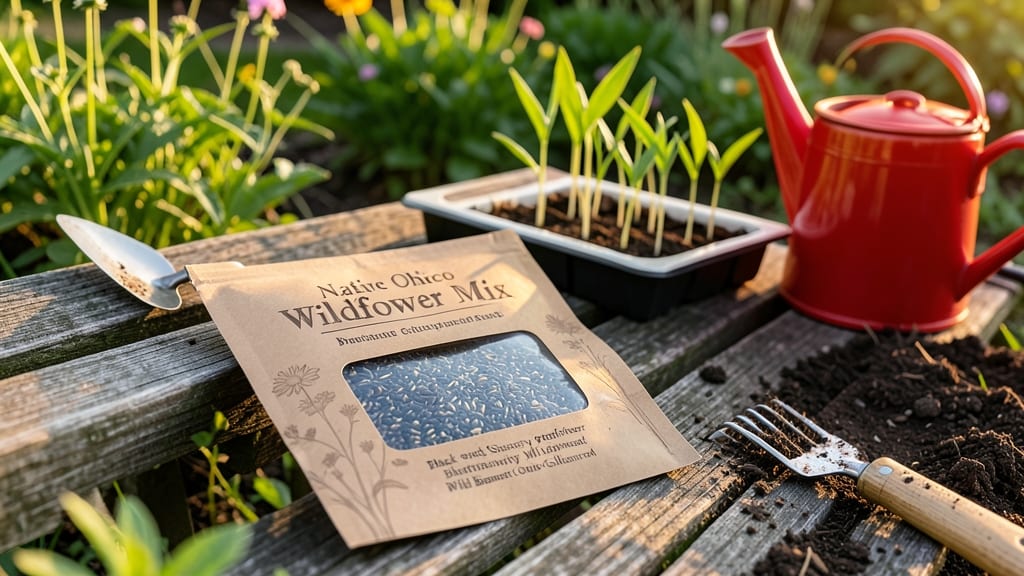
Planting wildflower seeds in Ohio isn’t just about tossing them into the ground and hoping for the best—timing makes all the difference between a vibrant meadow and a missed opportunity.
With late March to early October as your planting window, you’ll want to avoid the frost risks of spring and the scorching heat of summer that can stifle young sprouts.
In USDA Zone 6a, where Ohio’s climate shifts dramatically from north to south, knowing when to plant can mean the difference between a thriving pollinator garden and a patch of struggling seedlings.
Whether you’re sowing native wildflowers for local ecosystems or colorful annuals for quick blooms, the right timing ensures your 🌼 seeds get the best start possible.
I’ll break down the ideal months for planting—April and May for spring blooms, September for fall establishment—and share pro tips to extend your blooming season. No more guessing whether your seeds will survive Ohio’s unpredictable weather.
Ready to transform your yard into a pollinator paradise? Let’s dive into the exact planting schedule that works for your Ohio county—and keep those wildflowers blooming all season long.
Ohio wildflower planting calendar by USDA hardiness zones (5b-6b)
Ohio’s USDA zones 5b-6b create distinct planting windows—northern counties like Cleveland (zone 5b) face earlier frosts than southern areas like Columbus (zone 6a/6b). The key? Planting perennial wildflowers in early spring or fall for deep root establishment, while annuals thrive with late spring sowing after frost danger passes.
Soil temperatures matter too: most wildflower seeds need 50-60°F soil to germinate. In zone 5b, this typically aligns with mid-April, while zone 6b can start as early as late March. Always check your local frost-free dates—they’re your planting deadline.
🌱
| Zone | Last Frost Date | Ideal Planting Months | Soil Temp for Germination | Best Wildflowers |
|---|---|---|---|---|
| 5b (Northern OH) | April 15–May 1 | April–May (spring), September (fall) | 50–60°F (after frost) | Coneflowers, Black-eyed Susans, Goldenrod |
| 6a (Central OH) | April 1–April 15 | March–April (spring), August–September (fall) | 50–60°F (earlier than 5b) | Purple Coneflower, Butterfly Weed, Aster |
| 6b (Southern OH) | March 15–April 1 | February–March (fall prep), April–May (spring) | 50–65°F (warmer soils) | Coreopsis, Blazing Star, Milkweed |
For perennial wildflowers, fall planting is ideal—seeds germinate slowly in cool soil, then establish roots before winter. In zone 5b, aim for September sowing; zone 6b gardeners can start as early as August.
Spring planting requires patience: wait until soil warms to 50°F and frost risk drops below 10%.
Annual wildflowers like cosmos or zinnia are more flexible. Sow them after your last frost date—typically mid-April in 5b and early April in 6b. These fast growers tolerate heat, making them perfect for summer-long color.
🌿
Pro tip: Use a seed stratification trick for tougher seeds like milkweed. Mix seeds with moist sand, refrigerate for 2–3 weeks, then plant. This mimics winter’s natural process, boosting germination rates by 30–50%.
Watering is critical in the first 4–6 weeks. Keep soil consistently moist (not soggy) until seedlings sprout. After that, most wildflowers thrive on rainfall alone. Overwatering in summer can invite fungal diseases, so let soil dry between waterings.
💧
Mulch lightly with straw (not wood chips) to retain moisture and suppress weeds. Avoid thick layers—wildflowers need sunlight to germinate. In zone 5b, add mulch in early spring; in zone 6b, apply it after last frost.
Finally, don’t forget pollinators! Planting a mix of early, mid, and late-season bloomers ensures bees and butterflies have food from May through October. For example, pair blue flag iris (spring) with goldenrod (fall) for year-round beauty.
☀️
Best wildflower seed varieties for Ohio’s climate and soil types
Ohio’s diverse microclimates—from dry urban soils to moist river valleys—mean you’ll need wildflowers that thrive in everything from sandy loam to clay-heavy ground. The best choices are native Ohio species like eastern coneflower and purple coneflower, which support pollinators while requiring minimal care once established.
For urban gardens with drought-prone soil, focus on deep-rooted perennials like black-eyed Susan and butterfly weed. These handle Ohio’s hot summers with ease and attract butterflies and bees all season. Meanwhile, wetland-friendly options like swamp milkweed and Joe-Pye weed thrive in flood-prone areas along rivers or near ponds.
Soil pH preferences vary widely: coneflowers love slightly alkaline soil (6.5–7.5), while wild bergamot thrives in acidic to neutral (5.0–7.0). Always test your soil before planting—Ohio’s glacial till soils can be surprisingly alkaline in some regions, which may require amendments for acid-loving species.
Here’s a quick guide to match your Ohio soil type with the best wildflower varieties for pollinator success and low-maintenance growth:
🌱 Ohio Wildflower Varieties by Soil & Climate
✅ Best for Dry, Urban Soils
- Eastern Coneflower – Drought-tolerant, pollinator magnet, blooms July–September
- Black-Eyed Susan – Golden blooms, thrives in poor soil, June–August
- Butterfly Weed – Orange flowers, attracts monarchs, June–September
❌ Avoid in Dry Areas
- Swamp Milkweed – Needs moist soil; wilts in drought
- Joe-Pye Weed – Prefers wetland conditions, struggles in urban heat
- Wild Bergamot – Moderate drought tolerance but prefers moisture
✅ Best for Wetland/Flood-Prone Areas
- Swamp Milkweed – Monarch host plant, tolerates flooding, July–September
- Joe-Pye Weed – Tall, pink blooms, loves moisture, August–September
- Blue Flag Iris – Stunning blue flowers, thrives in boggy soil, May–June
❌ Avoid in Wet Areas
- Purple Coneflower – Needs well-draining soil; rots in soggy ground
- Wild Lupine – Prefers dry, sandy soil; not flood-tolerant
- Goldenrod – Moderate moisture but hates standing water
Pro Tip: Mix 3–5 varieties for continuous blooms and pollinator diversity. For example, pair coneflower (drought-tolerant) with Joe-Pye weed (moisture-loving) in a transition zone.
If your Ohio garden has clay-heavy soil, amend with compost or sand to improve drainage before planting drought-resistant species like smooth sumac or partridge pea. These native wildflowers not only survive Ohio’s extreme weather swings but also require zero fertilizers once established.
For shady spots (common in Ohio’s wooded areas), opt for wild columbine or Virginia bluebells, which tolerate partial shade while still attracting hummingbirds and bees. These low-light champions prove you don’t need full sun for a vibrant wildflower garden.
Finally, always plant in late spring (May) or early fall (September) to avoid Ohio’s late frosts and give seeds time to germinate before winter. With the right mix of native species tailored to your soil type, you’ll have a self-sustaining pollinator paradise in just one growing season. 🌼