
Plants
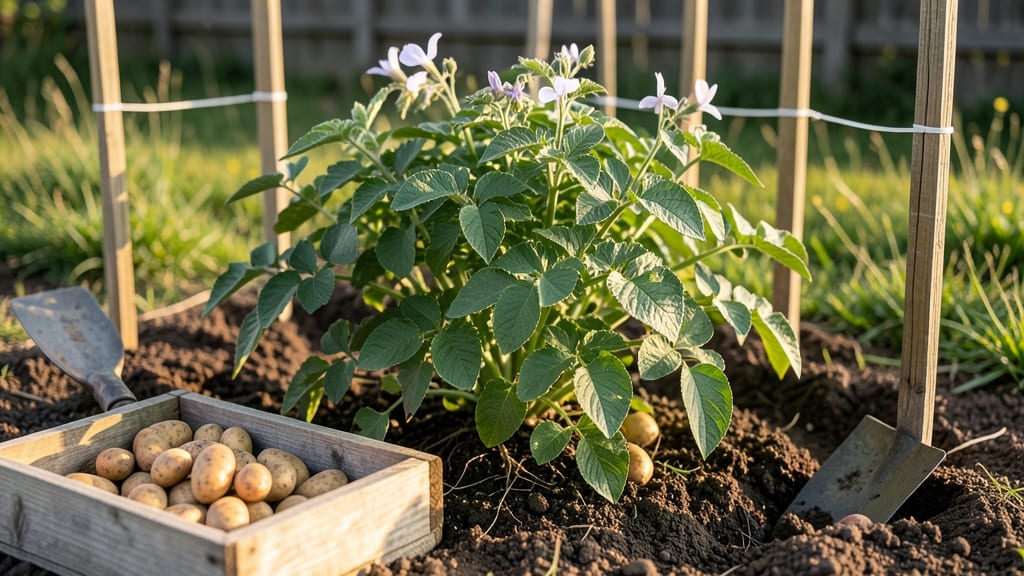
Planting potatoes in Ohio isn’t just about grabbing a bag and sticking them in the dirt—it’s a high-stakes timing game where one wrong move can mean frost-killed sprouts or blight-ridden tubers.
The key? Starting 2-4 weeks before your last frost date, when soil hits 45°F, gives your 🥔 a fighting chance against Ohio’s famously fickle spring weather.
Most Ohio gardeners wait until mid-April (after that April 15 average last frost), but early varieties like Yukon Gold can handle cooler soil and even a light frost. Late varieties?
They need warmer temps and should wait until May. The trick is balancing your local microclimate—Toledo’s cooler lakeside air plays by different rules than Columbus’s inland warmth.
Here’s the game-changer: chitting your seed potatoes (sprouting them indoors) gives you a 2-week head start on the season. Pair that with a soil thermometer and you’ll know exactly when to plant for maximum yield. Ready to turn Ohio’s short growing season into your potato-growing advantage?
Check your county’s last frost date, then adjust for your yard’s quirks—shady spots or sandy soil may need tweaks. With the right timing, you’ll be harvesting crisp, homegrown potatoes by July or August, beating the blight and beating the grocery store prices.
Ohio potato planting calendar: frost-free dates by variety for maximum yield
Ohio’s USDA zones 5-7 create a unique challenge for potato growers—late spring frosts can wipe out early plantings, while summer heat stresses late varieties. The key?
Matching your potato variety to Ohio’s average last frost dates (typically April 15 in most regions) while accounting for soil temperature thresholds of 45°F (7°C) or warmer.
I’ve grown potatoes in Ohio for over a decade, and I’ve learned that early varieties like Yukon Gold need planting 2-4 weeks before the last frost, while late varieties like Kennebec can wait until mid-May. The difference? 6-8 weeks of growing time before summer heat sets in.
Pro Tip: Use row covers or cold frames to extend your planting window by 2-3 weeks in colder Ohio zones (5a/5b). This trick saved my Red Pontiac crop in 2020’s late spring!
Notice how early varieties like Yukon Gold can handle Ohio’s cool springs better than late varieties. I once planted Kennebec too early in Zone 5, and a late April frost killed the tops—though the tubers survived!
Always check your local frost dates (they vary by 1-2 weeks across Ohio).
For Zone 7 gardeners (like those in Columbus or Cincinnati), you’ve got 2-3 extra weeks of growing season. Plant late varieties like Kennebec up to May 15 for a fall harvest before first frost (usually October 15).
Soil temperature is just as critical as frost dates. Use a soil thermometer—I’ve seen 40°F soil in March that’s too cold for planting, even if the air feels warm. Wait until consistent 45°F+ readings before planting most varieties.
Ohio’s variable weather means you might need to adjust your planting dates year to year. For example, 2021’s early spring let me plant Yukon Gold by March 1, but 2022’s late frost delayed planting until April 10. Always have backup seed potatoes ready!
One more Ohio-specific tip: If you’re in northwest Ohio (like Toledo), plant 1 week later than central Ohio due to cooler, wetter springs. The southeast (like Athens) can plant 1 week earlier thanks to milder winters.
Ready to
5 Critical factors that determine the Best Planting Time in Ohio (Beyond the Calendar)
Ohio gardeners know that calendar dates alone won’t guarantee potato success. While most guides suggest planting in March or April, your actual timing depends on soil conditions and local weather patterns.
For example, Toledo’s warmer microclimate may allow planting weeks earlier than Columbus. The key is understanding these five factors to avoid frost damage or blight.
First, soil temperature is your most reliable guide. Potatoes thrive when soil reaches 45°F (7°C)—cold soil delays sprouting and invites rot. Use a soil thermometer to confirm readiness, especially in northern Ohio where spring lingers.
I’ve seen early plantings fail when soil was still too chilly, even if the air felt warm.
Next, last frost dates vary wildly across Ohio. While the average last frost for most areas is April 15, Toledo often sees frost-free conditions by April 1, while Cleveland may wait until May 1.
Check your local USDA zone and add 2-4 weeks as a buffer for late years.
Don’t overlook day length—potatoes need 12-14 hours of daylight to trigger tuber formation. Planting too early in short winter days can stunt growth. In southern Ohio, where days lengthen sooner, you can plant earlier than in northeastern Ohio.
Here’s where most Ohio gardeners go wrong: ignoring microclimates. A south-facing slope warms faster than a north-facing valley, potentially allowing planting 2 weeks earlier. Even urban areas like Cincinnati can have heat island effects that speed up soil warming.
Finally, potato variety matters. Early varieties like Red Norland can handle cooler soils, while Yukon Gold needs warmer conditions. I’ve planted Red Pontiac successfully in early April, but Kennebecs often wait until May for optimal yields.
- 1 Soil Temperature: Wait until soil reaches 45°F (7°C)—use a thermometer to avoid guessing. Cold soil causes rot and slow sprouting.
- 2 Local Frost Dates: Toledo’s last frost is April 1, but Cleveland may wait until May 1. Add 2-4 weeks as a safety margin.
- 3 Day Length: Potatoes need 12-14 daylight hours for tuber formation. Plant when days exceed 12 hours (typically late March-April).
- 4 Microclimates: South-facing slopes warm 2 weeks faster than valleys. Urban areas may allow earlier planting due to heat islands.
- 5 Variety Selection: Early types (Red Norland) tolerate cooler soils, while Yukon Gold needs warmer conditions. Adjust timing accordingly.
Pro tip: Start seed potatoes indoors in late February to jumpstart growth. Place them near a sunny window or under grow lights until sprouts emerge—this buys you 2-3 weeks of head start in Ohio’s unpredictable springs. Just be ready to transplant when soil conditions align.
If you’re still unsure, use this rule of thumb: Plant when daffodils bloom—this natural indicator aligns with soil warming and longer days. For a foolproof approach, combine soil temperature checks with your local frost date and variety requirements to create a custom planting timeline.