
Plants
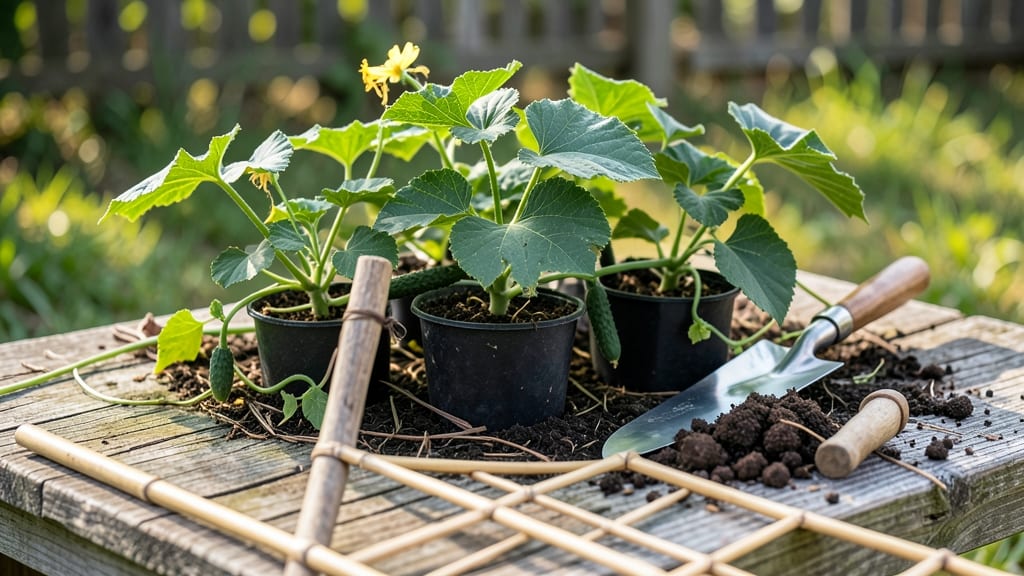
Timing your cucumber 🥒 planting in Oklahoma isn’t just about avoiding frost—it’s about beating the heat before your plants bolt and turn bitter. The wrong window means scrapped harvests, while the perfect schedule delivers crisp, prolific vines from June through September.
With Oklahoma’s USDA zones 6b-8a and unpredictable swings from 30°F freezes to 100°F+ afternoons, you need a strategy that accounts for soil warmth, regional microclimates, and heat tolerance.
I’ll show you the exact deadlines for northern cities like Tulsa versus southern areas near Lawton, plus how to stretch your planting window with science-backed tricks.
Most gardeners wait until April 15–May 15, but that’s only half the story. The real secret? Monitoring soil temperatures (60°F+) and using mulch to regulate heat—because cucumbers won’t tolerate cold feet, and they’ll bolt if stressed by sudden warmth.
Let’s break down the steps to turn your Oklahoma garden into a cucumber powerhouse.
Whether you’re a first-time planter or a veteran grower frustrated by failed vines, these insights will help you harvest buckets instead of scraps. Ready to master the heat zone deadlines? Let’s get started.
Oklahoma’s cucumber planting zones: USDA heat maps & exact deadlines
Oklahoma’s USDA zones 6b-8a create a tricky balance for cucumbers—too early, and frost zaps tender seedlings; too late, and scorching 90°F+ soil triggers bolting (that bitter, flower-heavy nightmare).
The key? Plant when soil hits 75°F+ and air temps stabilize above 55°F at night. Skip the guesswork with these city-specific deadlines tailored to Oklahoma’s microclimates.
Northern Oklahoma (zones 6b-7a), like Tulsa and Oklahoma City, has the tightest windows—just 3-4 weeks between last frost and safe planting. Southern Oklahoma (zones 7b-8a), including Lawton, gets a 2-week extension thanks to earlier soil warming.
Miss these dates, and you’ll battle powdery mildew or watch vines bolt before fruiting.
Here’s the critical timeline broken down by region, including soil temperature thresholds and heat tolerance windows to lock in zero-bolt success:
Pro tip: Use a soil thermometer (not air temp!) to confirm readiness—75°F+ soil is non-negotiable for germination. In Tulsa, I’ve seen 3-day delays between air and soil warming, so don’t rush! For bush varieties, plant slightly earlier (April 10 in OKC) to avoid heat stress.
Oklahoma’s spring heat spikes (common after May 15) can trigger bolting within 7-10 days if planted too late. To hedge your bets, start 50% of seeds indoors 3 weeks before your region’s last frost. Use biodegradable pots to transplant seedlings without root shock—this buys you 2 extra weeks of flexibility.
For fall planting (a secret weapon in Oklahoma!), aim for August 1-15 in northern zones or July 20-August 5 in the south. Seedlings need 90 days to mature, so time it so harvests finish before first frost (Nov 15).
I’ve grown Straight Eight cucumbers successfully into October using row covers—just remove them during harvest to avoid trapping humidity.
Watch for false starts: A cold snap in early May (like the 2021 Memorial Day freeze) can set you back 3 weeks. Harden off seedlings for 7 days before transplanting, and always plant after sunset to reduce transplant shock.
Mulch with straw or black plastic to maintain consistent soil temps—this is your #1 defense against bolting.
Remember: Oklahoma’s drought-prone soils dry out fast. Once cucumbers vine, they need 1-2 inches of water weekly—more in 90°F+ heat. Drip irrigation at the base of vines prevents powdery mildew (a common Oklahoma curse) and keeps fruits crisp. I’ve lost entire patches to underwatering—don’t make my mistake!
🌱
How to stretch the planting window: 5 proven techniques to delay bolting
Oklahoma’s sweltering summers and unpredictable spring frost risks can turn cucumber planting into a high-stakes game of chance. But with the right strategies, you can extend your harvest window by weeks—even months. The key is temperature control, whether through shade, soil warmth, or smart companion planting.
These 5 battle-tested techniques will help you avoid the dreaded bolting (when plants flower and fruit prematurely), ensuring crisp, sweet cucumbers well into fall.
Bolting happens when cucumbers sense consistent heat stress or day-length changes. In Oklahoma, where soil temps can spike to 90°F+ by early June, timing is everything.
By combining physical barriers, organic mulches, and strategic plant pairings, you can trick your cucumbers into thinking it’s still spring—long after the calendar says otherwise. Let’s dive into the top 5 methods to keep your vines productive and your harvest bountiful.
🌱 5 Proven Techniques to Delay Bolting
- 1. Shade Cloth Timing: Install 30-50% shade cloth when daytime temps hit 85°F+. In Oklahoma, this usually means late May for southern regions and early June for northern areas. Secure it 2-3 feet above plants to allow airflow and prevent fungal issues.
- 2. Mulching with Straw or Grass Clippings: Apply a 4-inch layer of organic mulch to retain moisture and cool soil. Dark mulches (like black plastic) warm soil faster, while straw reflects light and keeps roots cooler. Replenish every 4-6 weeks as it decomposes.
- 3. Soil Warming Hacks (Spring) or Cooling (Summer): Use black plastic mulch in spring to raise soil temps to 75°F+ by planting time. In summer, switch to white or silver mulch to reflect heat and keep roots 10°F cooler than ambient air temps.
- 4. Companion Planting with Basil or Radishes: Basil’s fragrance repels pests and regulates soil temperature by shading roots slightly. Radishes grow quickly, suppressing weeds and cooling the soil as they mature. Plant basil 12 inches away from cucumbers; radishes can be interplanted in rows.
- 5. Fall Planting Adjustments: For a second harvest in September-October, sow seeds 8-10 weeks before your first frost (typically late July for southern OK, early August for northern OK). Use row covers to protect from early chills and extend the season by 4-6 weeks.
For spring planting, focus on soil warming and shade readiness. If you’re planting in late May or June, prioritize shade cloth and mulching to combat Oklahoma’s intense afternoon sun.
In fall, companion plants and row covers become your best friends as temps dip. Combine these techniques for a double harvest: one in summer and another in early fall.
Pro tip: Monitor your cucumbers’ leaf color. If leaves turn yellow or wilt during heatwaves, it’s a sign of stress. Immediately provide afternoon shade and deep watering to recover. With these strategies, you’ll outsmart Oklahoma’s climate and enjoy cucumbers from June through October—or longer with a greenhouse!
🌿 Remember, the earlier you implement these techniques, the longer your harvest window will be. Start with mulching and companion planting at the beginning of the season, then add shade cloth as temps rise. Your future self (and your taste buds) will thank you!