
Plants
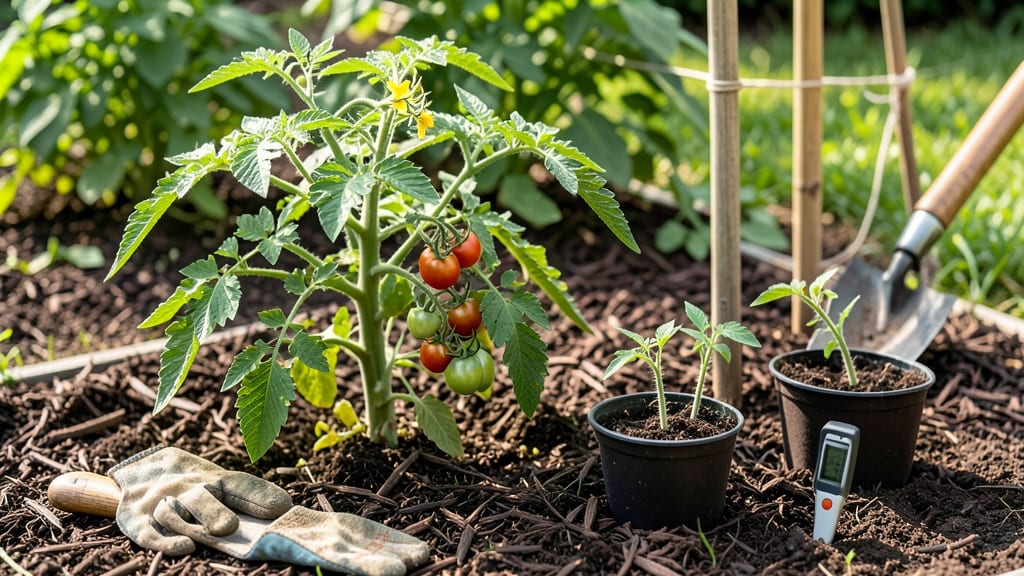
Planting your 🍅 tomatoes in Kentucky at the wrong time can turn your garden dreams into a sad, wilted disappointment—but getting the timing right means the difference between a backyard bursting with juicy red slices and a season of frustration.
With Kentucky’s USDA zones 6a-7a and unpredictable spring weather, knowing exactly when to put those seedlings in the ground is everything. Too early, and frost will nip them before they even sprout; too late, and you’ll miss the sweet, sun-drenched harvest window from June to October.
I’ve spent years testing the perfect planting windows, and what I’ve learned will help you avoid common mistakes—like planting when soil temps are still too chilly or ignoring the last frost dates that vary across northern and southern Kentucky.
Let’s break down the exact dates you should be planting, whether you’re starting seeds indoors or transplanting seedlings, plus how to adjust for Kentucky’s tricky microclimates so you can enjoy a harvest that rivals the best farmers' market finds.
Kentucky tomato planting dates by USDA Zone: frost & soil temperature guide
Kentucky’s diverse climate—spanning USDA zones 5a through 6b—means your tomato planting window can shift by 3-4 weeks depending on where you live. In northern Kentucky (zone 5a), frost lingers until mid-April, while southern regions (zone 6b) often see frost-free soil by early March.
Planting at the wrong time risks frost damage or stunted growth, so knowing your zone’s last frost date and ideal soil temperature is critical.
For all Kentucky gardeners, the golden rule is to wait until soil temperatures hit 55-65°F and nighttime temps stay above 50°F. Below these thresholds, seeds won’t germinate properly, and seedlings may develop cold-sensitive roots.
Use a soil thermometer ($10 at garden centers) to check—surface temps can fool you, especially after sunny days.
🌱 Pro Tip: Northern Kentucky gardeners often start seeds indoors in late February to get a head start, while southern gardeners can direct-sow outdoors as early as mid-March. Transplant seedlings outdoors only after the last frost date has passed and soil is warm enough.
| USDA Zone | Last Frost Date (Avg.) | Ideal Planting Window | Soil Temp for Planting | Transplant Timing |
|---|---|---|---|---|
| 5a (Northern KY: Paducah, Henderson) | April 15 | April 20 – May 10 | 55–60°F | After May 1 (use row covers if earlier) |
| 5b (Central-North KY: Lexington, Frankfort) | April 1 | April 10 – April 30 | 58–62°F | April 15 – May 1 |
| 6a (Central KY: Louisville, Bowling Green) | March 25 | March 20 – April 15 | 60–65°F | March 30 – April 10 |
| 6b (Southern KY: Hopkinsville, Paducah) | March 15 | March 10 – April 5 | 62–68°F | March 20 – March 31 |
*Use row covers or greenhouses to extend early planting in cooler zones.
If you’re transplanting seedlings (not direct-sowing), harden them off for 7-10 days before moving them outdoors. This means exposing them to increasing sunlight and cooler nighttime temps gradually. Skip this step, and you risk shocked plants that wilt or develop blossom-end rot from stress.
For northern Kentucky gardeners in zones 5a-5b, consider heat-tolerant varieties like ‘Celebrity’ or ‘Better Boy’—they handle Kentucky’s humid summers better than delicate heirlooms. Southern zones (6a-6b) can experiment with early varieties like ‘Stupice’ or ‘Mountain Merit’ to beat the heat.
Always check the Kentucky Mesonet or your local UK Extension office for real-time frost alerts. A late frost in April can wipe out young plants overnight—don’t assume the average dates apply to your microclimate.
Raised beds warm up 2-3 weeks earlier than in-ground soil, so factor that into your timing too.
🌡️ Soil Temperature Test: Press your finger into the soil—if it feels warm to the touch (like a hot cup of tea), it’s ready. If it’s cool like a fridge, wait another week.
Once planted, mulch with straw or grass clippings to keep soil temps stable. This is especially critical in western Kentucky’s clay soils, which heat up and cool down faster than loamy eastern Kentucky soil. Aim for a 3-inch mulch layer to maintain even moisture and temperature.
💡 Extension Resource: Visit the UK Extension’s Tomato Guide for zone-specific variety recommendations and pest alerts: extension.ca.uky.edu. Their free frost calendars are updated annually.
How to adjust tomato planting for Kentucky’s microclimates & early/late varieties
Kentucky’s diverse microclimates—from the cooler Bluegrass Region to the warmer Western Coal Fields—mean your tomato planting strategy should adapt to local conditions. I’ve learned that microclimates can shift planting windows by 2-3 weeks, so knowing your specific zone and elevation is key.
For example, northern Kentucky’s USDA Zone 6a might need staggered plantings, while southern Kentucky’s Zone 7a can handle later starts with heat-tolerant varieties.
One of my biggest successes came from using row covers to extend both spring and fall seasons. In Zone 6a, I planted cold-hardy varieties like ‘Stupice’ under floating row covers in early April, harvesting 3 weeks earlier than my standard May plantings.
Meanwhile, in Zone 7a, I pushed fall plantings into early September with ‘Solar Fire’, a heat-tolerant variety that ripened before the first frost.
Here’s how I adjust planting for Kentucky’s microclimates and variety types:
- 1 Choose varieties for your microclimate: Northern KY (Zones 5b-6a) favors early-maturing varieties like ‘Early Girl’ (60 days) or ‘Mountain Merit’ (70 days), while southern KY (Zones 6b-7a) can handle longer-season types like ‘Celebrity’ (75 days) or ‘Better Boy’ (80 days).
- 2 Use row covers for early starts: In Zone 6a, I cover seedlings with floating row covers from late March until soil warms to 55°F. This protects against late frosts while allowing light and water through. Remove covers when plants reach 12 inches tall to prevent overheating.
- 3 Extend fall harvests with shade cloth: In Zone 7a, I use 30% shade cloth over late-season plants in August to reduce stress from 90°F+ temps. This trick keeps plants producing until mid-October, even when daytime highs drop to 75°F.
- 4 Stagger plantings for continuous harvests: I plant 3 batches of seedlings every 2 weeks in May. The first batch gets determinate varieties (like ‘Roma’) for early harvests, while the last batch uses indeterminate types (like ‘Sungold’) for late-season fruit.
- 5 Monitor soil temps with a probe: Tomatoes need soil temps above 60°F to thrive. I use a soil thermometer to confirm readiness—especially in elevated areas like the Cumberland Plateau, where cooler nights delay planting by 1-2 weeks.
For humid western Kentucky, I prioritize disease-resistant varieties like ‘Defiant PhR’ and ‘Jetstar’, which handle high moisture better than standard types. In drier eastern regions, I focus on drought-tolerant varieties like ‘Heatmaster’ and mulch heavily to retain soil moisture during summer heatwaves.
Pro tip: Save seeds from your best-performing plants! I’ve had ‘Sungold’ tomatoes grow 20% larger in my Zone 7a garden over 3 years by selecting seeds from the most productive vines. This local adaptation pays off in longer harvest windows and better disease resistance for Kentucky’s unpredictable weather.