Planting
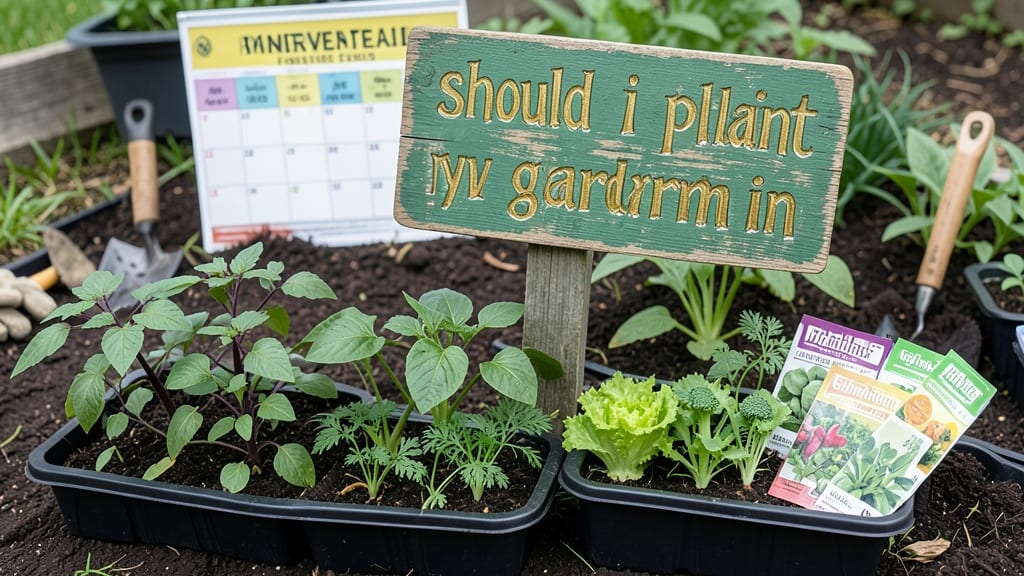
Planting your garden in Maryland at the wrong time can mean the difference between a bountiful harvest and a sad, wilted disappointment—especially when you're dealing with USDA Zones 7-8 and Maryland's famously fickle spring weather.
If you've ever stared at your seed packets, wondering whether to brave the cool April soil or wait for that "perfect" moment, you're not alone.
The key lies in understanding Maryland's unique frost dates, soil warming patterns, and how microclimates—like the warmer coastal areas versus the cooler Piedmont—can shift your planting window by weeks.
I'll break down the exact weeks to plant everything from cool-season greens to heat-loving tomatoes, so you can avoid common mistakes like planting tomatoes too early (they'll bolt in the cold) or waiting too long for your peppers (they'll never ripen).
Whether you're a first-time gardener or a seasoned pro, these zone-specific tips will help you time your plantings like a local expert—because in Maryland, getting it right means the difference between a garden that thrives and one that barely survives.
Maryland planting calendar by season: exact weeks for vegetables, flowers, and herbs
Maryland’s gardening season spans from late winter to early fall, but timing is everything. With USDA Zones 7-8 and frost dates ranging from mid-April to mid-October, knowing the exact weeks to plant can mean the difference between a bountiful harvest and a wasted season.
Coastal regions like Chesapeake Bay often enjoy 2-3 warmer weeks than inland areas, while high-elevation spots in Western Maryland may need adjustments. Let’s break it down by season so you can align your planting with Maryland’s climate quirks.
For cool-season crops like spinach, broccoli, and kale, the window opens as early as late February to early March for a spring harvest.
Meanwhile, warm-season crops such as tomatoes, peppers, and basil should wait until after the last frost—typically mid-April to early May—when soil temperatures hit 60°F or warmer.
Perennials like lavender and coneflowers have their own ideal timing, often planted in early spring or fall to establish strong roots before winter.
Here’s your seasonal planting roadmap for Maryland, tailored to Zone 7 (inland) and Zone 8 (coastal) with adjustments for microclimates. Use this as your guide to avoid common pitfalls like frost damage or bolting in heat-sensitive crops.
| Season | Plant Type | Zone 7 (Inland) | Zone 8 (Coastal) | Notes |
|---|---|---|---|---|
| Spring | Cool-Season Vegetables | Late Feb–Early Mar (Spinach, Lettuce, Peas) |
Early Mar–Mid Mar (Broccoli, Kale) |
Start seeds indoors 4–6 weeks before last frost. Use row covers for early plantings. |
| Warm-Season Vegetables | Mid-Apr–Early May (Tomatoes, Peppers, Basil) |
Early Apr–Mid Apr (Same crops, 2 weeks earlier) |
Wait until soil is 60°F+. Use black plastic mulch to warm soil faster. | |
| Perennials | Early Apr–Early May | Late Mar–Early Apr | Plant bare-root perennials in early spring or fall. Mulch heavily after planting. | |
| Flowers | Mid-Apr–Late May (Marigolds, Zinnias) |
Early Apr–Mid Apr (Same flowers, 2 weeks earlier) |
Direct-sow annuals after frost. Succession plant every 2 weeks for continuous blooms. | |
| Summer | Warm-Season Vegetables | Late May–Early Jun (Okra, Sweet Potatoes) |
Early May–Mid May (Same crops, 2 weeks earlier) |
Plant heat-loving crops in late afternoon to reduce transplant shock. |
| Herbs | Early Jun–Mid Jun (Cilantro, Dill) |
Late May–Early Jun | Cilantro bolts in heat—plant in partial shade or succession-sow every 3 weeks. | |
| Fall Vegetables | Early Jul–Mid Jul (Carrots, Radishes) |
Late Jun–Early Jul | Aim for a fall harvest before first frost (mid-October). Use shade cloth for late summer. | |
| Fall | Cool-Season Vegetables | Late Jul–Early Aug (Spinach, Lettuce) |
Early Jul–Mid Jul | Plant for a fall harvest before frost. Use row covers to extend season. |
| Perennials | Late Aug–Early Sep | Early Aug–Mid Aug | Plant bare-root perennials 6–8 weeks before first frost for root establishment. |
For Zone 7 gardeners in inland areas like Frederick or Hagerstown, stick to the later dates to avoid late spring frosts, which can linger into mid-April. Meanwhile, Zone 8 coastal gardeners near Annapolis or Ocean City can plant 2–3 weeks earlier thanks to milder temperatures.
Always check your local NOAA frost forecast or use the Maryland Department of Agriculture’s planting guides for real-time adjustments.
Pro tip: Use soil thermometers to verify when soil is warm enough for warm-season crops. Tomatoes and peppers need soil at 60°F+, while beans and cucumbers thrive at 70°F+. Planting too early can stunt growth or
How to adjust your planting schedule for Maryland’s microclimates and soil types
Maryland’s diverse geography means your planting schedule should change based on whether you’re in the urban heat islands of Baltimore or DC, the coastal humidity near the Chesapeake Bay, or the clay-heavy soils of Western Maryland.
These microclimates can shift your ideal planting window by 2–4 weeks, so knowing your specific conditions is key to avoiding frost damage or stunted growth.
For example, Baltimore’s city center often experiences 2–3°F warmer temperatures than nearby suburbs due to concrete and asphalt absorbing heat. This means you can plant tomatoes and peppers 1–2 weeks earlier in urban areas than in rural Western Maryland.
Meanwhile, coastal regions near Annapolis or Crisfield may have soil that stays cooler longer due to ocean breezes, delaying warm-season planting by up to 3 weeks.
Soil type also plays a crucial role. Clay soils in Allegany County drain poorly and stay cold, while sandy soils near the Eastern Shore warm up faster but dry out quickly.
If you’re in a container garden on a balcony or in an apartment, your soil heats up 3–4°F faster than in-ground soil, allowing you to plant warm-season crops 7–10 days earlier.
Adjusting for Maryland’s Microclimates
To prepare clay soils, mix in 2–3 inches of compost or sand to improve drainage before planting. For sandy soils, incorporate peat moss or coconut coir to retain moisture. If you’re gardening in containers, use a well-draining potting mix with perlite or vermiculite to prevent compaction.
For container gardening, start seeds 2–3 weeks earlier than in-ground planting dates, as containers warm up faster. Monitor soil temperature with a soil thermometer—most warm-season crops like tomatoes and peppers need soil at 60–65°F before planting.
In coastal areas, wait until late May for warm-season crops to avoid unexpected chilly snaps.
Adjust your schedule by checking local frost dates from the NOAA or Maryland Department of Agriculture, and consider using row covers or cold frames to extend your growing season in cooler microclimates.
With these adjustments, you’ll avoid common pitfalls and enjoy a longer, more productive harvest across Maryland’s diverse regions.