
Companion Plants
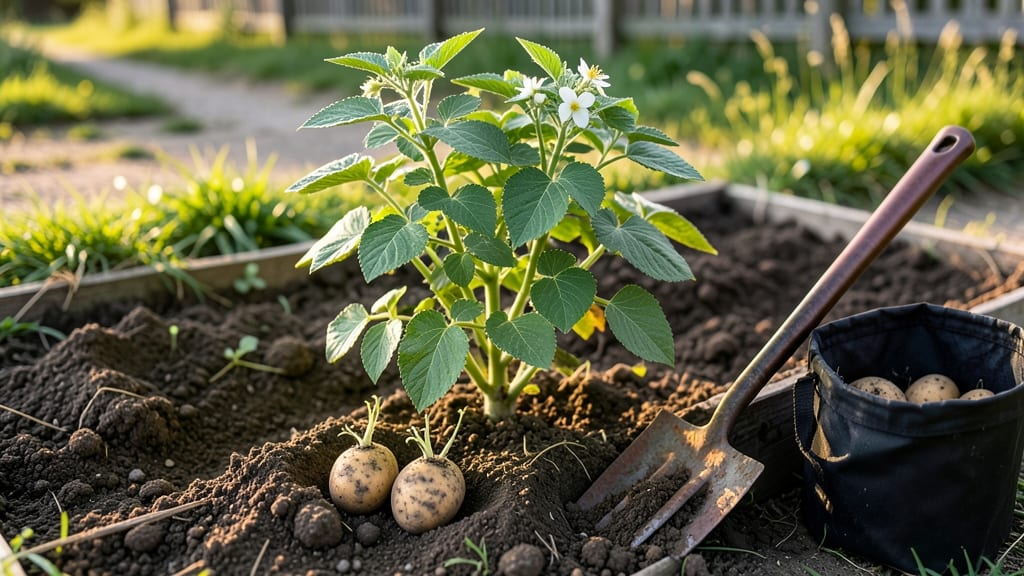
Planting your potatoes 🥔 at the wrong time in Ohio can mean the difference between a bumper crop and a total flop—especially when frost lingers past your expectations.
The key to avoiding shrunken tubers or lost plants lies in knowing exactly when to get those seed potatoes in the ground, which varies by variety and microclimate.
Most Ohio gardeners wait until the soil warms to at least 50°F, but that’s just the start.
With last frost dates creeping from mid-April in the south to late April in the north, timing your planting 4-6 weeks before the average last frost gives your potatoes the jumpstart they need.
And if you’re growing early varieties, you might even start as soon as late February under frost protection—yes, it’s possible!
I’ve learned the hard way that rushing or waiting too long can leave you with stunted harvests, so I’ll walk you through Ohio’s region-specific planting windows, how to adjust for soil temperature, and why chitting (pre-sprouting) your seed potatoes can shave weeks off your harvest time.
Let’s get those spuds growing right.
Whether you’re a first-time gardener or a seasoned pro, these insights will help you avoid common mistakes and maximize your yield—because nobody wants to dig up a garden full of tiny potatoes when they could be feasting on dinner-sized spuds by summer. Ready to plant with confidence?
Ohio’s last frost dates by region: when to plant potatoes for peak harvest
Ohio’s last frost dates vary dramatically by region, and planting potatoes too early can mean frost-killed sprouts, while waiting too long risks small yields. The key is knowing your exact planting window—typically 4-6 weeks before last frost—to give tubers time to establish before summer heat arrives.
Ohio’s five regions (Northwest, Northeast, Southeast, Southwest, and Central) each have unique microclimates, so let’s break it down.
For example, the Northwest region (including Toledo and Findlay) often sees its last frost around April 15, while the Southeast (like Athens and Chillicothe) can be frost-free by April 1.
Urban areas like Columbus may experience 3-5 days later than rural zones, and valleys can hold frost 1-2 weeks longer. These differences mean your planting date could shift by 30 days depending on where you live.
To avoid guesswork, use the summary table below for your region’s ideal planting window, adjusted for soil temperature (wait until soil reaches 50°F) and variety maturity.
Early varieties like ‘Yukon Gold’ can handle shorter seasons, while late bloomers like ‘Russet Burbank’ need longer growing periods. Let’s dive into the specifics for each region.
Pro Tip: If you’re unsure about your last frost date, check the Old Farmer’s Almanac or your local Cooperative Extension office. They provide hyperlocal frost forecasts that can save your harvest. For urban gardeners, city heat islands can delay frost by up to 10 days, so adjust accordingly.
🚨 CRITICAL: Never plant potatoes in cold, wet soil. Compacted or waterlogged conditions stunt growth and invite disease. Amend your soil with compost or aged manure 2-3 weeks before planting to improve drainage and fertility.
If you’re in the Southeast region, you might plant as early as late February, but hold off until soil warms to 50°F—cold soil slows germination and invites rot.
For Northwest Ohio, aim for early April to avoid late frosts that can blacken emerging sprouts. Central Ohio gardeners have a sweet spot around mid-March, giving plants time to bulk up before summer’s heat.
For urban gardeners, city heat can push back frost dates by up to 10 days, so use the upper end of the planting window. Conversely, if you’re in a valley or low-lying area, frost lingers longer—adjust by subtracting 1-2 weeks from your planting timeline.
Always monitor local weather forecasts, as unpredictable late frosts can still occur.
Once you’ve planted, use black plastic mulch or straw to maintain even soil temperatures and suppress weeds. This is especially critical in Ohio’s variable spring weather, where temperatures can swing from
How to adjust planting time for Ohio’s soil temperature and variety needs
Ohio’s variable spring temperatures can make potato planting a guessing game—especially when soil stays cold long after the calendar says spring has arrived. The ideal planting window depends on two key factors: soil temperature (must reach at least 50°F) and the maturity rate of your potato variety.
Ignoring these can lead to stunted growth or even total crop failure, so let’s break it down step by step.
First, test your soil temperature before planting. Use a simple soil thermometer (available for under $10) to check the temperature at a 4-inch depth, where your seed potatoes will sit. If it’s below 50°F, wait—cold soil slows germination and can rot your potatoes before they even sprout.
In Ohio, this often means holding off until late April in northern regions or early April in the south.
⚠️ WARNING: Planting Too Early in Ohio’s Unpredictable Spring ⚠️ Cold soil + frost = failed harvests.
Even if your last frost date is April 15, soil may still be too cold for potatoes. Fast-maturing varieties (like Yukon Gold or Red Norland) can handle cooler soils better than late-bloomers (like Russet), but never plant before soil hits 50°F.
If you’re eager to start early, use black plastic mulch or row covers to warm the soil faster—this can shave 2-3 weeks off your planting timeline!
Next, match your potato variety to Ohio’s short growing season. Fast-maturing varieties (ready in 60-90 days) are your best bet for northern Ohio, where summers are brief.
For example, Early Red or Kennebec can be planted as early as late March under protection and harvested by July, while Russet Burbank (a 110-day variety) needs a later start and longer season.
Pro tip: Chit your seed potatoes (place them in a bright, cool spot for 4-6 weeks before planting) to jumpstart growth and shave 10-14 days off your harvest time.
For gardeners in southern Ohio with longer frost-free seasons, you can also try a fall planting (late July to early August) for a late-season harvest. Use early-maturing varieties again, as fall days shorten quickly.
Cover young plants with frost cloth if an early frost threatens—this can extend your harvest window by 2-4 weeks.
Finally, extend your growing season with simple tools like row covers or black plastic mulch. Row covers create a 5-10°F warmer microclimate, letting you plant 2-3 weeks earlier in spring or harvest later in fall.
Black plastic mulch warms soil faster and suppresses weeds, giving your potatoes a head start. Just remove the mulch once plants emerge to avoid overheating.
By combining soil temperature checks, variety selection, and season-extending tricks, you’ll turn Ohio’s short growing season into a potato-growing powerhouse. Start with the right timing, and you’ll be digging up basketfuls of tubers instead of wondering where your crop went wrong. Happy planting! 🥔