
Planting
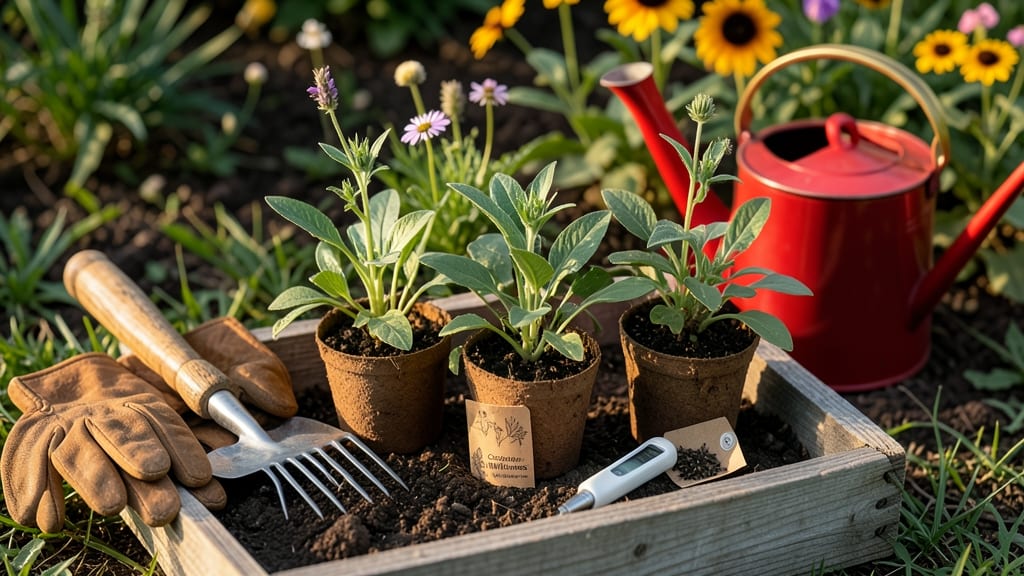
Timing your garden planting in Colorado wrong means risking frost-killed seedlings or missed harvests—especially with the state's wild elevation swings from 5,000 feet to over 10,000 feet.
I've learned the hard way that Colorado's frost dates aren't one-size-fits-all. What works in Denver's USDA Zone 5 can fail spectacularly in the Zone 3 mountains just an hour away. The key is knowing your microclimate's last spring frost and first fall frost dates to plant at the perfect moment.
Whether you're a beginner with a backyard plot or an experienced gardener, this guide will show you exactly when to start seeds indoors, when to direct-sow, and which crops thrive in Colorado's short but intense growing season. Let's get your 🌱 growing on the right schedule.
You'll discover how to stretch your planting window with row covers, which cold-hardy varieties won't bolt in 50°F soil, and why potatoes and peas are your best bets for early spring planting. No more guessing—just reliable, elevation-specific timing for a bumper harvest.
Colorado frost dates by elevation: your zero-failure planting calendar
Colorado’s elevation extremes—from 3,500 feet in Denver to 10,000+ feet in the mountains—create wildly different frost patterns. A lowland garden might see last spring frosts in late April, while high-altitude zones can face frost until mid-June.
These shifts mean your planting windows must adapt or risk losing your hard work to a surprise freeze.
To avoid frost-related failures, I’ve broken down Colorado’s three key elevation zones—Front Range, Western Slope, and Mountain Regions—with exact frost dates and actionable planting timelines for both cool-season crops (like kale and peas) and warm-season crops (like tomatoes and peppers).
Use this as your zero-failure guide to time plantings perfectly.
🌱
| Zone | Avg. Elevation | Last Spring Frost | First Fall Frost | Cool-Season Planting | Warm-Season Planting |
|---|---|---|---|---|---|
| Front Range | 5,000–7,000 ft | April 15–May 1 | September 20–October 5 | March 1–April 15 | May 15–June 15 |
| Western Slope | 4,500–6,500 ft | April 1–April 15 | September 10–September 25 | February 15–March 30 | April 20–May 10 |
| Mountain Regions | 7,000–10,000+ ft | May 15–June 1 | August 15–September 10 | April 1–May 1 | June 15–July 1 |
For the Front Range (e.g., Denver, Boulder, Fort Collins), your last spring frost typically arrives between April 15 and May 1, giving you a 6–8 week window to plant warm-season crops like tomatoes and peppers.
Meanwhile, cool-season crops such as spinach, lettuce, and peas can go in as early as March 1, as long as you use row covers for late frosts.
In the Western Slope (e.g., Grand Junction, Colorado Springs), the growing season starts earlier—often by 2–3 weeks—thanks to lower elevations and desert-like conditions.
This means you can plant warm-season crops like cucumbers and beans as early as April 20, but always monitor soil temperatures (aim for 60°F+ for tomatoes).
High-altitude Mountain Regions (e.g., Aspen, Telluride) are the most challenging, with last frosts often lingering until June 1.
Here, focus on short-season varieties like bush beans and radishes, and consider container gardening to extend your season. Cool-season crops like kale and carrots can handle late frosts, but warm-season plants need to wait until mid-June at the earliest.
Pro tip: Use frost cloth or black plastic mulch to warm soil faster in high-elevation zones. For lowland areas, prioritize late-blooming varieties to avoid fall freezes cutting your harvest short. Always check local microclimates—a south-facing slope might be 1–2 weeks warmer than your neighbor’s yard.
🌿
To maximize your harvest success, align your planting dates with Colorado’s frost-free windows. For example, 60-day crops like bush beans should go in 60 days before your first fall frost.
In Denver, that’s mid-July; in Aspen, it’s early August. Use this reverse-counting method for all your warm-season plants to avoid disappointment.
For cool-season crops, start seeds 4–6 weeks before your last spring frost. In high-altitude zones, this might mean indoor starts in February for hardy greens like Swiss chard. In lowland areas, you can often direct-sow in March under row covers.
Remember: Colorado’s weather is unpredictable. Always have a backup plan, like succession planting or cold frames, to protect your investment. With these elevation-specific guidelines, you’ll turn Colorado’s challenging climate into your gardening advantage.
☀️
How to adjust planting times for Colorado’s microclimates and unpredictable weather
Colorado’s microclimates can confuse even seasoned gardeners. A 5,000-foot elevation difference between Denver and the Front Range means frost dates shift dramatically. My Denver garden in Zone 5b might freeze while my friend’s Eagle County garden in Zone 4a thrives with the same seeds.
The key? Adjusting planting times based on local frost patterns and protective strategies.
Start by monitoring frost alerts from the National Weather Service or local CoCoRaHS networks. These provide real-time updates on late spring frosts and early fall freezes that can wipe out seedlings.
I’ve learned the hard way—tomatoes planted too early in May can still get nipped by 28°F temperatures in June. The solution? Stagger planting and use season extenders.
Here’s how I adjust planting times for Colorado’s unpredictable weather:
- 1. Use row covers for cool-season crops like spinach and peas. Lightweight fabric raises soil temps by 5-8°F and protects from light frosts.
- 2. Plant heat-loving crops like peppers and eggplants in black plastic mulch to warm soil 10°F faster than bare earth.
- 3. Choose cold-hardy varieties such as ‘Colorado State’ potatoes or ‘Winterbor’ kale, which tolerate 20°F without damage.
- 4. Extend the season with cold frames or low tunnels. My fall broccoli harvests in October stay productive until November.
- 5. Start seeds indoors 4-6 weeks before last frost. Basil and tomatoes need this head start to reach maturity before first fall frost.
For high-elevation gardens (above 7,000 feet), like those in Summit County, shift planting dates 2-3 weeks later than Front Range schedules. I’ve seen cucumbers fail in Breckenridge when planted on May 15th but thrive when delayed to June 1st.
Always check local frost-free dates—they’re not just averages, they’re survival guides.
Don’t forget soil temperature. Use a soil thermometer to confirm it’s 45°F+ for cool crops and 60°F+ for warm crops. My pepper seeds rotted last year because I planted them in 50°F soil. Patience pays off—wait for the right conditions, not just the calendar date.
Finally, embrace fall planting. Many cool-season crops like carrots and radishes grow better in fall’s mild temperatures than spring’s unpredictable swings. My October-planted spinach outlasts spring plantings by 3-4 weeks. The secret? Mulch heavily to insulate roots from early freezes.
With these adjustments, Colorado’s unpredictable weather becomes an advantage. Your garden will thrive year-round, not just survive the seasons. 🌱