
Plants
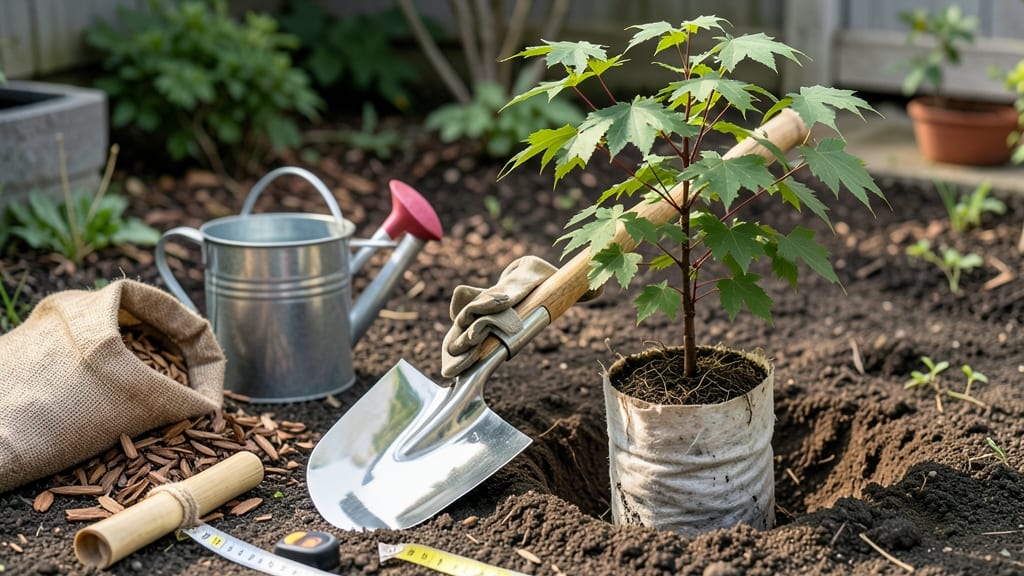
Planting a tree in the ground at the wrong time can mean years of stunted growth—or worse, failure to survive. The key to a thriving 🌳 starts with understanding your climate zone and seasonal rhythms.
In USDA Zone 6a, where frost lingers until mid-April, timing isn't just about the calendar but also soil temperature and weather patterns.
Most gardeners know spring is ideal, but did you know late fall also works—if you plant before the ground freezes? This window gives roots time to establish before winter dormancy kicks in. For container-grown trees, you've got more flexibility, but bare-root varieties demand precision to avoid transplant shock.
I'll break down the best months for your zone, how to prep your site, and what to watch for in the weeks after planting.
Whether you're a first-time tree owner or a seasoned landscaper, these insights will help you avoid common pitfalls and set your tree up for decades of growth.
Ready to plant with confidence? Let's dive into the science-backed strategies that make all the difference between a struggling sapling and a majestic, long-lived tree.
Best planting months by USDA climate zones for tree survival
Timing your tree planting right is the difference between a thriving shade provider and a sad investment. The USDA climate zones (3-11) dictate the perfect window for root establishment, balancing soil temperature, dormancy periods, and frost risks.
In cooler zones (3-6), fall planting lets roots establish before winter, while warmer zones (8-11) favor spring to avoid summer drought stress. Let’s break down the ideal months for each zone to maximize survival rates.
For USDA zones 3-5, the golden window is late September to mid-November or early April to early May. These regions experience harsh winters, so planting in fall gives roots time to anchor before freezing.
In zone 6, you can extend fall planting until mid-November—just ensure soil temps stay above 40°F (4°C) for 10+ inches deep. Spring planting here starts March 15 and continues until May 15.
Warmer zones (7-9) shift slightly: zone 7 thrives with fall planting until November 15 or spring planting from February 15 to April 30. Meanwhile, zones 8-9 can plant year-round, but January to March and September to November are ideal to avoid summer’s brutal heat.
In zones 10-11, where frost is rare, spring (February-March) is best for container-grown trees to establish before summer’s dry spell.
Soil temperature is the unsung hero of tree survival. Roots need consistent warmth to establish, but not so hot that they dry out. Use a soil thermometer to check depths of 6-12 inches.
In zones 3-6, wait until soil hits 40°F (4°C)—this usually aligns with late April to early May. For zones 7-9, aim for 50°F (10°C) or warmer, typically March-April. In zones 10-11, 60°F (16°C) is ideal, often February-March.
Dormancy periods are your secret weapon. Deciduous trees (like oak or maple) planted in fall take advantage of their natural dormancy, reducing transplant shock. Evergreens (like pine or spruce) should avoid winter planting—their roots can’t establish in frozen soil.
Container-grown trees are more flexible, but still, spring or early fall gives them the best shot at thriving.
Frost risks can make or break your timing. In zones 3-6, a late frost after planting can kill tender new roots. Check your local last frost date and plant 4-6 weeks before to give roots time to anchor.
In zones 7-9, early frosts in fall are less deadly, but spring planting should finish 2 weeks before the average last frost. For zones 10-11, frost is rare, but avoid planting during monsoon season to prevent waterlogged soil.
Don’t overlook moon phases for optimal root growth. Planting during the waxing moon (when the moon is growing) encourages root development. In fall, aim for the waxing gibbous phase (days 8-14 of the lunar cycle).
For spring, the first quarter (days 1-7) is ideal. This ancient trick aligns with nature’s cycles for stronger establishment.
Regional quirks matter too. In the Pacific Northwest (zones 7-9), October-November rains make fall planting ideal. In the Southeast (zones 8-9), humidity spikes in summer, so avoid planting then.
For desert climates (zones 9-11), early spring ensures moisture for root growth. Always research your microclimate—urban areas can be 5-10°F warmer than rural zones.
Critical signs your tree planting timing is perfect (or terrible)
Timing your tree planting right can mean the difference between a thriving 100-foot oak and a sad, stunted sapling. The key lies in reading your soil temperature, checking weather forecasts, and spotting those sneaky early frost warnings.
I’ve planted trees in every season—some thrived, others barely survived their first winter. Here’s how to tell if you’ve picked the perfect window (or dug your own grave).
First, the soil temperature must be above 40°F (4°C) for most tree species. Use a soil thermometer to check—cool soil slows root growth. In my Zone 6a garden, I wait until mid-April when the ground warms enough for roots to spread.
Cold soil can shock young roots, leaving them vulnerable to rot or frost damage.
Next, watch the moon phases—yes, really! Planting during a waxing moon (when the moon is growing) encourages root development. I always mark my calendar for the next waxing moon after my ideal soil temperature window opens. This old gardener’s trick has helped my maple trees establish faster than neighbors’.
Now, the red flags: extreme heat waves or drought conditions can stress newly planted trees. If your local forecast predicts 90°F+ (32°C+) for weeks, delay planting until temperatures drop. I once planted a dogwood in late May during a heatwave—it took two years to recover from the shock.
✅ Perfect Planting Timing
❌ Terrible Planting Timing
Don’t ignore local frost dates—even if your neighbors swear by summer planting. I learned this the hard way with a cherry tree planted in June. When September frosts hit, half its leaves turned brown overnight. Always check your USDA zone frost dates and add a 2-week buffer before planting.
Finally, trust your gut: if the weather forecast shows unpredictable swings (like a heatwave followed by frost), wait. I once delayed planting a birch tree for a month because the forecast kept changing—now it’s the healthiest tree in my yard. Patience pays off when it comes to trees.
Remember: the best time to plant a tree was 20 years ago. The second-best time is today—if the conditions are right. Check your soil, moon phase, and forecast, then dig that hole! 🌳