
Plants
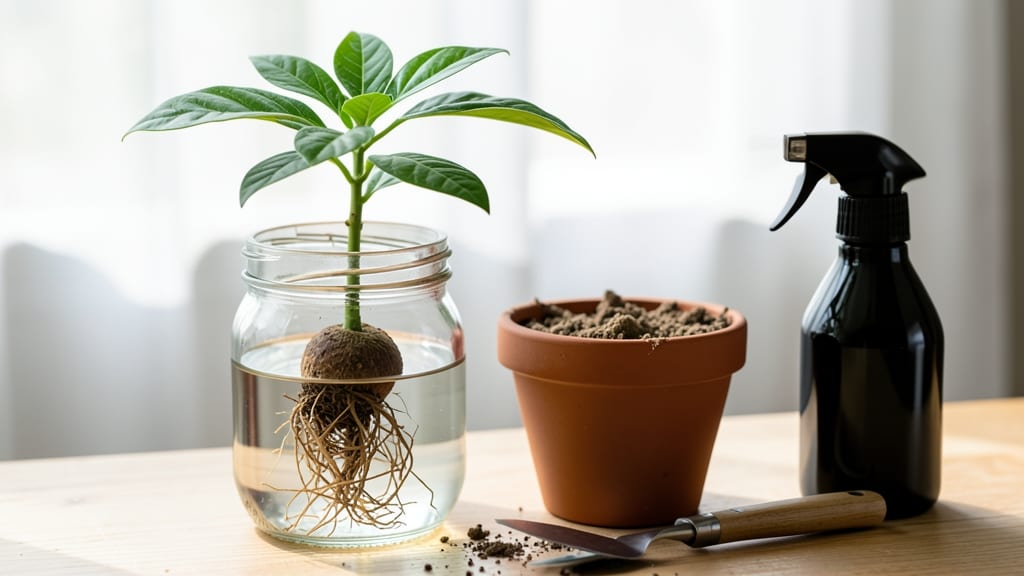
Planting an avocado pit in soil at the wrong time can mean the difference between a thriving 🥑 tree and a sad, rotting pit. The key to success isn't just luck—it's knowing exactly when to plant based on your climate and the plant's needs.
In Zone 6a, like most of the U.S., late spring to early summer is your best window—after the last frost has passed and soil temperatures are consistently warm. This timing gives your pit the ideal conditions to sprout without the risk of freezing or stagnation.
But here's the catch: if you're in a warmer region, you might start earlier, while cooler zones could extend planting into summer. I'll break down the exact months and signs to watch for so you never miss the perfect moment.
Ready to turn that pit into a tree? Let's dive into the step-by-step guide to planting your avocado pit at the right time—so you can enjoy fresh fruit (or at least a beautiful houseplant) in just a few years.
Best seasons to plant an avocado pit by climate zone
Avocado trees thrive in warm climates, but planting your pit at the right time depends on where you live. In tropical zones (USDA 10-12), you can plant year-round, while temperate zones (USDA 8-9) need precise timing.
Cold climates (USDA 6-7) require indoor starts before transplanting outdoors. Let’s break down the ideal planting windows for each zone to avoid common pitfalls like rot or stunted growth.
For tropical climates, the monsoon season (June–September) offers the best conditions—consistent warmth and humidity speed up germination. In temperate zones, aim for late spring to early summer (May–July) after the last frost date.
Cold climates must start pits indoors in winter (January–February) and transplant outdoors only after last frost (April–May).
Here’s a quick reference for planting your avocado pit in soil by climate zone:
In tropical zones, the monsoon season (June–September) is ideal because the warm, humid conditions mimic the avocado’s natural habitat. If you plant outside this window, your pit may take longer to sprout or develop root rot from excess moisture. Use a well-draining cactus mix to prevent soggy soil.
For temperate climates, timing is critical—planting too early risks frost damage, while late planting delays growth. Aim for May–July when soil temperatures consistently stay above 65°F (18°C). Use a black plastic mulch to warm the soil faster and protect young roots from temperature swings.
Gardeners in cold climates (USDA 6-7) face the biggest challenge: frost. Start your avocado pit indoors in January or February using the water germination method. Once roots emerge (after 4–8 weeks), transplant into a 6-inch pot with well-draining soil.
Wait until after the last frost date (typically May–June) to move it outdoors.
If you miss the ideal window, don’t panic. In temperate zones, you can plant as late as August, but growth will slow significantly. Use a grow light to extend daylight hours and keep soil warm with a heat mat if needed.
For cold climates, overwinter the pot indoors near a sunny window until spring.
Pro tip: Test your soil’s drainage before planting. Avocado pits rot quickly in compacted or clay-heavy soil. Amend with perlite or sand to improve airflow. Also, avoid planting in shady spots—avocados need 6+ hours of sunlight daily for strong growth.
Remember, patience is key. Even with perfect timing, avocado trees grown from pits may take 5–13 years to bear fruit. But by following these climate-specific guidelines, you’ll give your tree the best start possible—whether you’re in a sunny desert, coastal temperate zone, or chilly northern garden.
Step-by-step avocado pit planting process by month
Timing your avocado pit planting correctly is critical—especially if you’re in a temperate climate like USDA Zone 6. For me, the best window is late spring to early summer, after the last frost date (typically mid-April in my area).
This aligns with when soil temperatures stay above 60°F (15°C), which is ideal for germination.
If you’re in a warmer climate (Zones 9-11), you can plant year-round, but spring or fall still offers the best balance of moisture and warmth. In colder zones (Zones 4-5), wait until June or July to avoid frost damage to your young sapling.
⚠️ callout warning
⚠️ Critical Mistake: Planting Too Early
Planting your avocado pit before soil warms to 60°F (15°C) causes rot or stagnation. Cold soil slows root growth, and excess moisture leads to fungal infections. Always check soil temperature with a thermometer—if it’s below 55°F (13°C), wait 2-4 weeks. Frost risk is another red flag; young roots are highly sensitive to freezing.
Start by preparing your avocado pit 4-6 weeks before planting. Rinse it thoroughly to remove flesh residue, then soak in water for 2-3 days to soften the outer shell. Use a toothpick to poke 3-4 small holes in the pit—this helps roots emerge without damaging the seed.
Place it in a jar of water with the holes facing down; change the water every 2-3 days to prevent bacteria.
By May or June, your pit should sprout roots and a stem. Once roots reach 2-3 inches, it’s time to plant. Use a well-draining potting mix (equal parts peat moss, perlite, and sand) to avoid waterlogging.
Fill a 6-inch pot halfway, place the pit on top with the stem pointing upward, and cover it with 2 inches of soil, leaving the top half exposed.
After planting, keep the soil consistently moist but never soggy. Place the pot in a bright, indirect light spot (like a south-facing window) and maintain 70-80°F (21-27°C) temperatures.
Mist the leaves lightly daily to boost humidity—avocado seedlings thrive in 60-70% humidity. Avoid direct sunlight at first; it can scorch tender new leaves.
By August or September, your sapling may need repotting if roots fill the container. Transplant to a 10-inch pot or bury it outdoors in a protected spot (like a greenhouse) if temperatures stay above 50°F (10°C).
If frost is imminent, bring it indoors immediately—avocado trees cannot tolerate freezing. With patience, your tree could bear fruit in 5-13 years!