Plants
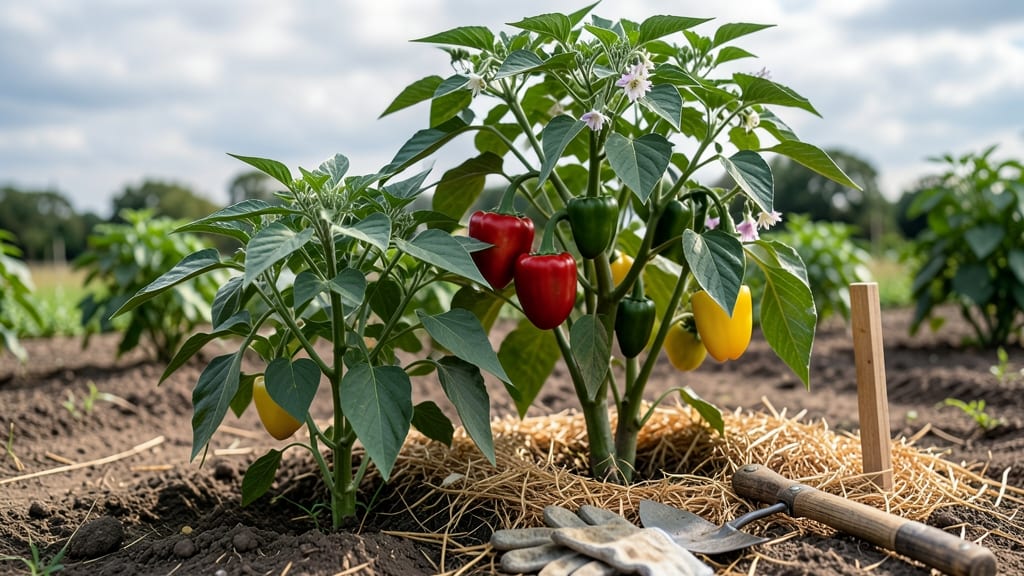
Planting bell peppers 🌶️ in Alabama isn't just about waiting for spring—it's about catching that narrow window between frost risk and scorching summer heat. Miss the mark, and you'll either lose your crop to late frosts or watch your peppers turn bitter under Alabama's relentless sun.
For most of the state, the ideal time to plant bell peppers is between mid-April and early June, right after the last frost date.
But here's the catch: Northern Alabama (like Huntsville in Zone 7b) plays by different rules than Southern areas (like Mobile in Zone 8b), where the growing season stretches longer.
Whether you're starting seeds indoors or transplanting seedlings, timing is everything. I'll break down exactly when to begin each method for your specific county, plus how to protect your crop from Alabama's most common pitfalls—like heat stress and soil pH issues that can ruin your harvest.
By the end, you'll know not just when to plant, but how to maximize your yield with local tips that actually work. Let's get those bell peppers growing the right way!
Alabama’s bell pepper planting zones: last frost dates by county for maximum yield
Alabama’s diverse climate zones (USDA 7b-8b) create a county-by-county puzzle for bell pepper growers. Planting too early risks frost damage, while late planting may leave you with bitter peppers before summer’s heat peaks.
Most bell pepper varieties need 90-120 days to mature, so timing your last frost date is critical for a bountiful harvest.
The average last frost date across Alabama ranges from mid-March in South Alabama to early April in the North. However, microclimates (like valleys or urban heat islands) can shift this window by 1-2 weeks.
For example, Mobile County may see peppers thriving by late March, while Jackson County might need to wait until mid-April.
Here’s how to align your planting schedule with Alabama’s last frost dates and heat tolerance needs for maximum yield:
For North Alabama gardeners, prioritize early-maturing varieties like ‘Carolina Wonder’ (60 days) to avoid early frost risks in October. Meanwhile, South Alabama growers can experiment with longer-season varieties like ‘Jupiter’ (85 days) and use shade cloth during peak summer heat to prevent blossom drop.
Always confirm your local last frost date using the Alabama Agricultural Statistics Service or local Cooperative Extension offices.
A soil thermometer is your best tool—wait until soil temps hit 60°F+ before planting, even if air temps are warmer. Black plastic mulch can add 5-10°F to soil warmth, giving you an earlier start in cooler zones.
Pro tip: Plant a second crop in late June for a fall harvest. Choose heat-tolerant varieties like ‘Aristotle’ or ‘NuMex RNa’ (red, non-pungent) and use drip irrigation to maintain consistent moisture during Alabama’s humid summers.
Remember, bell peppers hate cold. Even a light frost (below 32°F) can kill plants, while temps below 50°F stunt growth. Use row covers or cold frames for early starts in Zone 7a areas to protect young seedlings.
By aligning your planting schedule with these county-specific frost dates and heat considerations, you’ll maximize your bell pepper yield—whether you’re growing sweet bananas, spicy jalapeños, or heirloom varieties. Happy gardening! 🌶️
Start indoors vs. direct sowing: Alabama-specific timing for seedlings and transplants
Deciding whether to start bell pepper seeds indoors or plant directly in Alabama’s soil hinges on your last frost date and variety maturity. In most of Alabama, the last frost typically falls between March 15 and April 15, depending on your county.
For example, Mobile’s humidity allows earlier planting, while Huntsville’s cooler nights delay the window by 2–3 weeks.
For indoor seed starting, begin 6–8 weeks before your last frost date. This means January 15–February 15 for North Alabama (e.g., Huntsville) and February 1–March 1 for South Alabama (e.g., Mobile).
Use grow lights to provide 14–16 hours of light daily, as natural daylight is still short in early spring.
Direct sowing, on the other hand, should only happen after soil temperatures consistently reach 60°F+. In Alabama, this usually aligns with mid-April to early June, depending on your microclimate.
For instance, Birmingham gardeners can start direct sowing around April 15, while Montgomery may wait until May 1 to avoid cooler soil.
| Method | Alabama Timing | Best For | Notes |
|---|---|---|---|
| Indoor Seed Starting | Jan 15–Feb 15 (North AL) / Feb 1–Mar 1 (South AL) | Early varieties (e.g., Carolina Wonder) | Use seed trays; harden off 1–2 weeks before transplanting. |
| Direct Sowing | Mid-April (North AL) / Early June (South AL) | Heat-tolerant varieties (e.g., Jupiter) | Wait until soil is 60°F+; use black plastic mulch. |
| Transplanting Seedlings | After last frost (Mar–Apr) | All varieties | Space 18–24 inches apart; water deeply after planting. |
Choose early varieties like Carolina Wonder (60–70 days to maturity) for indoor starts, as they thrive in cooler spring temperatures. These are ideal for North Alabama’s shorter growing season.
For South Alabama’s longer, hotter summers, opt for heat-tolerant varieties like Jupiter (75–90 days to maturity), which you can direct sow in late April or May.
If you’re in a transition zone like Birmingham, consider a hybrid approach: start seeds indoors in late February and transplant after your last frost (typically mid-April).
This extends your growing season and maximizes yield. Always monitor soil temperature with a thermometer—peppers won’t germinate well in cold soil, even if air temperatures are warm.
For container gardening, start seeds indoors 2 weeks earlier than your last frost date, as pots warm up slower. Use a heat mat to maintain 75–85°F soil temps for faster germination.
Once seedlings are 3–4 inches tall and have 2–3 true leaves, they’re ready to transplant into larger containers or garden beds.
Pro tip: In Alabama’s humid climate, direct sowing can increase disease resistance by avoiding transplant shock. Just be prepared to mulch heavily to retain moisture and suppress weeds, especially in Mobile’s hot, sandy soils or Huntsville’s clay-heavy gardens.