
Plants
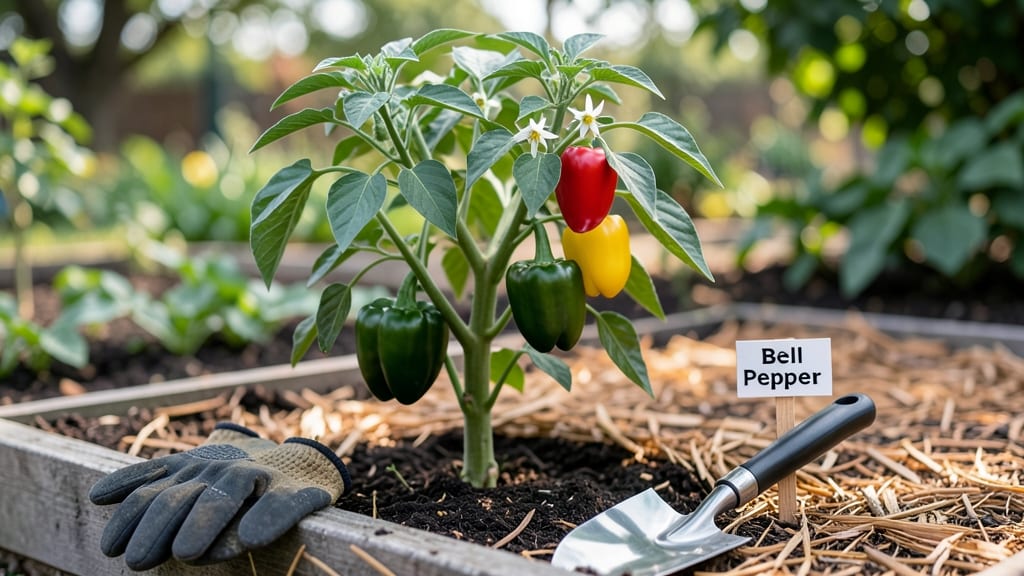
Timing your 🌶️ bell pepper planting in Kentucky isn't just about checking a calendar—it's about catching that sweet spot between soil warmth and frost risk. Plant too soon, and your seedlings will shiver in cold soil; too late, and you’ll miss the fast growth window before summer heat sets in.
Most Kentucky gardeners wait until after the last frost—around April 15—but the real secret is soil temperature.
Your 🌶️ bell peppers need soil that’s at least 60°F to germinate properly, and that can vary by 10 days or more depending on whether you're in Louisville or the mountains of Eastern Kentucky.
Whether you're starting seeds indoors or transplanting seedlings, getting this right means the difference between a bountiful harvest and a sad, stunted plant. I’ll break down exactly when to plant—plus how to adjust for Kentucky’s microclimates—so you can enjoy crisp, flavorful peppers from July through October.
Let’s dive into the soil science and planting tricks that will give your 🌶️ bell peppers the best possible start—because in Kentucky, timing is everything.
Kentucky’s ideal soil temperature ranges for bell pepper germination and transplanting
Bell peppers are heat-loving plants that won’t germinate or thrive until the soil warms up. In Kentucky’s USDA zones 6a-7a, this means waiting for specific temperature thresholds—50°F for seeds and 60°F+ for transplants.
These ranges ensure strong root development and prevent stunted growth from cold stress, which is critical for Kentucky’s variable spring weather.
Your last frost date (typically mid-April in most regions) is just the starting point. Soil temperatures lag behind air temperatures, so even after frost risk passes, the ground may still be too cool. Using a soil thermometer is the only way to confirm readiness—air temperature alone won’t cut it.
Northern Kentucky (e.g., Louisville) often sees cooler soils due to urban heat island effects and higher elevation, while Eastern Kentucky (e.g., Corbin or Pikeville) may warm faster in sheltered valleys. This creates a 1-2 week planting window difference between regions, even within the same USDA zone.
Direct sowing bell pepper seeds requires consistent 50°F+ soil for 7-10 days. If your soil hasn’t warmed enough by late April, start seeds indoors 8-10 weeks before your last frost date (around February-March) and transplant hardened-off seedlings when soil hits 60°F.
| Stage | Minimum Soil Temp (°F) | Kentucky Average Window | Tools Needed |
|---|---|---|---|
| Seed Germination (Direct Sow) | 50°F | Late April - Early May (varies by microclimate) | Soil thermometer, row cover |
| Transplanting Seedlings | 60°F+ | Mid-May - Early June (10+ days after last frost) | Grow lights, hardening tray, mulch |
| Peak Growth (Fruiting) | 70°F+ | June - August (ideal for Kentucky summers) | Drip irrigation, shade cloth |
| Late-Season Extension | 55°F+ (with protection) | September (using row covers) | Cold frame, frost cloth |
For Northern Kentucky (e.g., Lexington or Cincinnati), aim for May 1-15 to transplant, as cooler nights delay soil warming. In contrast, Southern Kentucky (e.g., Bowling Green) can often plant by mid-April if using black plastic mulch to accelerate warming.
Black plastic mulch can raise soil temperatures by 5-10°F, making it a game-changer for early planting. Lay it down 1-2 weeks before transplanting to create a warmer microclimate. Pair this with drip irrigation to maintain moisture without cooling the soil.
If your soil stays below 60°F after your target transplant date, don’t rush—cold soil stresses roots, leading to poor establishment and blossom end rot. Wait an extra week for consistent warmth rather than risking stunted plants that never recover.
Pro tip: Test soil temps at 10 AM on a sunny day—this is when temperatures peak. Early morning or evening readings can be 10°F cooler and misleading. For container gardening, soil warms even faster than ground soil, so you may transplant 1-2 weeks earlier in pots.
Remember, bell peppers need warmth to set fruit. If planted too early, they’ll focus on leaf growth instead of producing peppers. By aligning your planting with soil temperature thresholds and Kentucky’s microclimates, you’ll maximize your harvest
How to adjust planting dates for Kentucky’s frost risks and microclimates
Kentucky’s frost-free dates can vary by 2-3 weeks between northern and southern regions, making precise timing critical for 🌶️ bell pepper success. For example, Paducah typically sees its last frost by March 25, while Lexington waits until April 10.
These differences mean your transplant window could shift by nearly a month—so don’t rely on a one-size-fits-all calendar.
Even within the same county, microclimates like south-facing slopes or urban heat islands can create warmer pockets where peppers thrive earlier. I’ve found that planting on a sloped hillside in my backyard lets me transplant 10 days sooner than my neighbor’s flat yard.
Pay attention to these local nuances—they’re your secret weapon against late frosts.
| Region | Last Frost Date | Safe Transplant Window | Adjustment Strategy |
|---|---|---|---|
| Northern KY (e.g., Covington) | April 20 | May 1-15 | Use row covers for early starts |
| Central KY (e.g., Lexington) | April 10 | April 25-May 10 | Direct sow after soil hits 65°F |
| Western KY (e.g., Paducah) | March 25 | April 10-25 | Start indoors 8-10 weeks early |
| Eastern KY (e.g., Pikeville) | April 25 | May 10-25 | Use cold frames for late starts |
To calculate your safe transplant window, use the 10-day rule: Wait at least 10 days after your region’s average last frost before planting. This buffer accounts for unexpected late frosts.
For example, if Lexington’s last frost is April 10, aim for April 20 as your earliest transplant date—but check your soil temperature first.
If you’re eager to extend your season, raised beds warm up 2-3 weeks faster than in-ground soil. I’ve had success planting in raised beds as early as April 1 in Lexington by using black plastic mulch to accelerate soil warming.
For those in colder microclimates, row covers can push your planting window back by 3-4 weeks—just remove them when flowers appear to prevent overheating.
Remember: Bell peppers are heat-loving plants that need consistent warmth to thrive. If your region’s frost-free season is short (like Eastern Kentucky’s 160-day window), choose fast-maturing varieties (60-70 days) and consider succession planting every 2 weeks for continuous harvests through October.
Pro tip: Use a soil thermometer to verify temperatures—60°F is the minimum for germination, but 70°F+ gives seedlings a stronger start. I’ve lost count of how many times I’ve seen peppers bolt or stunt because the soil was "warm enough" according to the calendar but not the thermometer.