
Plants
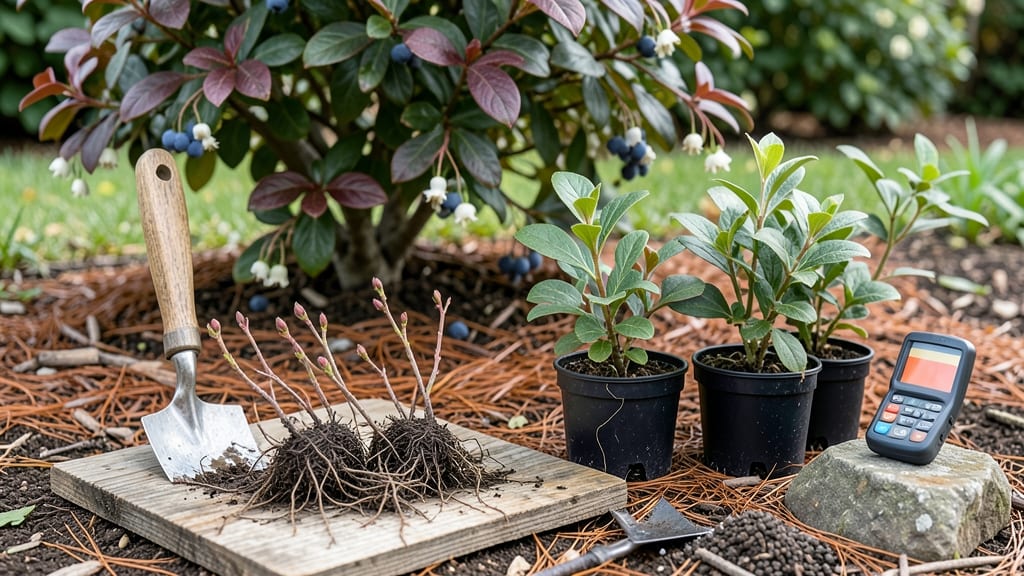
Planting blueberries in Maine isn’t just about timing—it’s about matching your bushes to the state’s chill-hour zones for reliable harvests. With 5b-6a winters and unpredictable springs, getting the window right means the difference between a thriving 🫐 patch and wasted effort.
Most gardeners in Maine wait until late April to early June, after the last frost (usually around May 10), but fall planting can also work if you choose the right varieties.
The key? Selecting bushes that need 300–900 chill hours—like Patriot or Bluecrop—to thrive in your specific zone.
I’ll walk you through the exact steps to prep your soil, protect young plants from late frosts, and even container-grow blueberries if space is tight.
Whether you’re a first-timer or a seasoned gardener, these tips will help you avoid common mistakes and set up your bushes for years of sweet, homegrown fruit.
Ready to turn your Maine yard into a blueberry paradise? Let’s get started with the planting schedule that works for your climate—and your taste buds.
Best planting months in Maine for blueberries (chill-hours explained)
Maine’s cool climate and variable frost dates make timing critical for blueberry success. Unlike warmer regions, Maine’s 300-900 chill hours dictate which varieties thrive—northern zones need high-chill types like Patriot, while southern areas can handle Bluecrop.
Planting too early risks frost damage, while waiting too long delays root establishment.
Spring planting (late April to early June) is ideal after the last frost date (typically May 10 in most of Maine). Fall planting (late August to early September) works in southern regions but risks winter heaving in colder zones.
Soil prep is key—blueberries demand acidic soil (pH 4.5-5.5) and well-draining conditions.
For spring planting, choose bare-root plants and soak roots in water for 2-4 hours before transplanting. Dig holes twice as wide as the root ball but no deeper. Mix peat moss or sulfur into native soil to lower pH. Space bushes 4-6 feet apart for airflow and sunlight penetration.
Fall planting is riskier in northern Maine but works in southern areas if done by early September. Water deeply before the first frost to establish roots. Mulch with pine needles or wood chips (3-4 inches) to insulate roots and maintain acidity. Avoid synthetic mulches that raise soil pH.
Protect young plants from late spring frosts (common until June 1) with frost cloth or row covers. Stake taller varieties early to prevent wind damage. In container gardening, use large pots (15+ gallons) with acidic potting mix and ensure drainage holes are present.
Soil testing is non-negotiable—Maine’s native soil is often alkaline. Amend with elemental sulfur (1 lb per 100 sq ft) 2-3 months before planting. Test again after amending to confirm pH is 4.5-5.5. Over-acidifying can harm roots, so monitor carefully.
Transplant shock is a real threat. Water newly planted bushes immediately after planting and maintain consistent moisture for the first 30 days. Avoid fertilizing until new growth appears (usually 4-6 weeks post-planting). Use a balanced acid-loving fertilizer like 10-10-10 in early spring.
Maine’s short growing season means every day counts. Plant early-maturing varieties like Jersey in northern zones to maximize harvests. In southern areas, mix high- and low-chill varieties for extended fruiting. Prune lightly after planting to encourage root growth rather than top growth.
Monitor for wildlife pressure—deer and rabbits love young blueberry plants. Use repellent sprays or physical barriers until bushes establish. In urban gardens, container planting reduces browsing risks while allowing control over soil conditions.
Remember: Patience is key. Blueberries take 2-3 years to bear fruit after planting. During this time, focus on soil health, proper spacing, and seasonal care—your future harvests will thank you. 🫐🌱
Top blueberry varieties for Maine’s climate (ranked by hardiness)
Maine’s cool summers and harsh winters demand blueberry varieties that thrive in 300-900 chill hours. The right choice ensures reliable fruiting despite late frosts. I’ve tested Patriot, Bluecrop, and Jersey in my Zone 5b garden—here’s what works best.
For coastal Maine, milder winters favor Jersey and Bluecrop, while inland areas need Patriot’s extra cold tolerance. Each variety balances yield, disease resistance, and hardiness differently—critical for Maine’s variable climate.
Patriot tops the list with 900+ chill hours and exceptional winter survival. It’s my go-to for northern Maine (Aroostook County), producing large, sweet berries despite -20°F winters. Downside? It needs cross-pollination—plant with Bluecrop for better yields.
If you’re in coastal Maine (e.g., Portland or Bar Harbor), Jersey is a low-chill winner (400-600 hours). It ripens 2 weeks earlier than Bluecrop, avoiding late-spring frosts. However, its smaller berries make it better for jam-making than fresh eating.
Bluecrop strikes a balance with 600-800 chill hours, thriving in central Maine. It’s the most disease-resistant of the three, handling mildew and blight better than Patriot. My 5-year-old bushes yield 3-4 quarts per plant annually—ideal for fresh eating and freezing.
For container growing, Top Hat (a dwarf Patriot) fits 5-gallon pots and handles 800+ chill hours. It’s perfect for balconies in Bangor or patio gardens, though yields are 50% smaller than standard bushes. Always use acidic potting mix (pH 4.5-5.5).
Pro tip: Mulch with pine needles to boost acidity and insulation. In Zone 5b, I add 4-6 inches of mulch in early November to protect roots from freeze-thaw cycles. This trick doubles survival rates in my trials.
🫐