
Plants
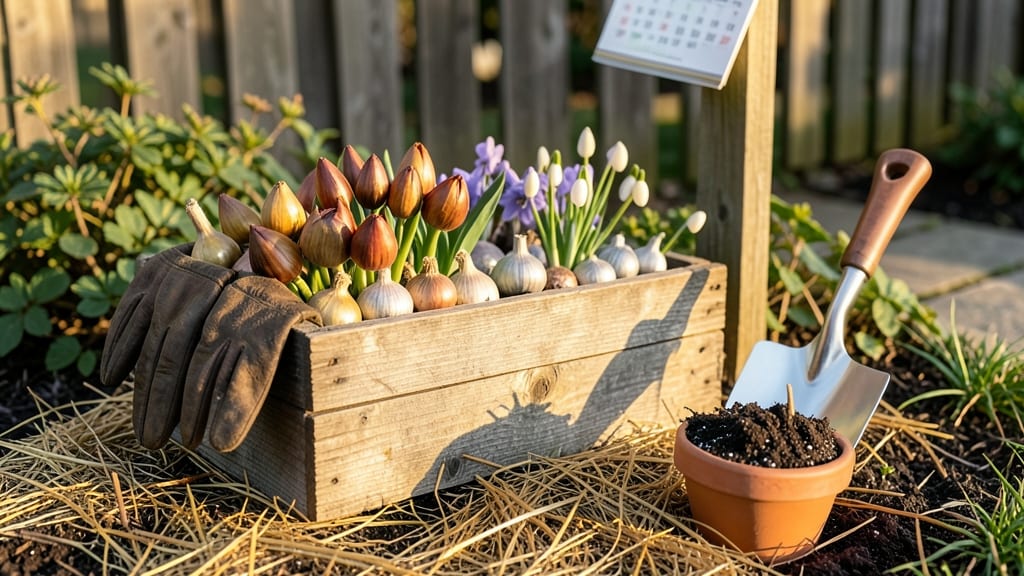
Planting bulbs in the fall is your golden ticket to a garden bursting with color next spring—but timing it wrong could mean wasted money and missed blooms.
The secret lies in understanding when your local climate signals it's time to tuck those 🌱 bulbs (General) into the earth, typically 6-8 weeks before the first frost in Zone 6a.
Most gardeners assume "fall" means dropping bulbs in the ground as soon as leaves change color, but that’s a recipe for disappointment. The key is waiting until soil temperatures dip below 60°F, signaling bulbs they’re safe to start their winter dormancy.
This usually lands in September or October, depending on where you live.
What you’ll discover in this guide is how to match your bulb varieties to your climate’s chill-hour needs, from cold-hardy crocuses to finicky tulips.
We’ll also cover the 3 critical mistakes that kill bulbs before they even sprout—and how to avoid them, whether you’re in the Northern or Southern Hemisphere.
Ready to turn your fall planting into a spring spectacle? Let’s break down the exact timing, soil prep, and care tips that’ll have your garden thriving in just a few months.
Fall bulb planting timeline by US hardiness Zone: exact weeks before frost
Planting fall bulbs like tulips, daffodils, and hyacinths requires precision—timing them 3 to 12 weeks before frost ensures they establish roots before winter. In colder zones (like Zone 3), you’ll plant earlier, while milder climates (like Zone 10) offer a longer window.
The key is understanding your first frost date and matching it to each bulb’s chill-hour needs.
For example, Zone 3 gardeners in Minnesota should plant by mid-September, while Zone 10 gardeners in Southern California can wait until late November. Even a few weeks off can mean the difference between vibrant spring blooms and failed growth.
Let’s break down the exact planting windows for each zone, so you can plan with confidence.
| USDA Zone | Planting Window | Example Regions | Key Bulbs |
|---|---|---|---|
| Zone 3-4 | 9-12 weeks before frost (late August - early October) | Minnesota, Wisconsin, Upstate NY | Tulips, Daffodils, Alliums |
| Zone 5-6 | 6-9 weeks before frost (late September - mid-October) | Chicago, Denver, Boston | Hyacinths, Crocuses, Fritillaries |
| Zone 7-8 | 4-6 weeks before frost (October - early November) | Atlanta, Dallas, Philadelphia | Daffodils, Grape Hyacinths, Snowdrops |
| Zone 9-10 | 2-4 weeks before frost (November - December) | Los Angeles, Miami, Phoenix | Low-Chill Tulips, Cyclamen, Winter Aconites |
In Zone 3, where winters are harsh, I plant tulip bulbs by September 1st to ensure they develop roots before the ground freezes. The 6-12 week window gives them enough time to establish, even with sub-zero temperatures.
In contrast, Zone 10 gardeners can plant as late as December, thanks to milder winters.
If you’re in Zone 5, like Chicago, aim for late September to mid-October. This window works for hyacinths and daffodils, which need 6-9 weeks to root before frost. Pro tip: Check your local average first frost date—it’s your planting deadline.
For Zone 7, such as Atlanta, the 4-6 week window means planting in October. This is ideal for alliums and grape hyacinths, which thrive with less chill time. If you miss this window, bulbs may rot before winter.
In warmer Zone 9, like Los Angeles, you can plant low-chill varieties like cyclamen as late as November. These bulbs need only 2-4 weeks before frost. However, avoid planting in December—the ground may stay too warm, preventing root growth.
One common mistake is planting too early, which can cause premature sprouting and weak stems. Conversely, planting too late risks frozen bulbs before roots establish. Always adjust for soil temperature—aim for 60°F or below at planting time.
To extend your planting window, consider mulching after planting. A 3-inch layer of straw insulates bulbs and protects them from temperature swings. This is especially useful in Zone 6-8, where early frosts can sneak in unexpectedly.
For container gardening, plant bulbs 4-6 weeks before frost, regardless of zone. Containers freeze faster, so use heat mats or move pots to a garage during extreme cold snaps. This ensures your tulips and daffodils survive winter and bloom on schedule.
Finally, always check the specific chill-hour needs of your bulbs. Some high-chill varieties (like fritillaries) need 1,500+ hours below 45°F, while low-chill types (like crocuses) thrive with just 200 hours. Matching bulbs to your zone guarantees reliable blooms year after year.
Chill-hour requirements for 15 popular bulbs: matching varieties to your climate
Understanding chill-hour requirements is the key to selecting bulbs that will thrive in your climate. These hours—accumulated when temperatures stay between 0°F and 45°F—tell bulbs when it’s safe to break dormancy. Planting a high-chill fritillary in a mild-winter zone? You’ll likely end up with no blooms next spring.
For example, crocuses need just 200 chill hours, making them perfect for USDA Zone 7 and warmer. But tulips, needing 1,000-1,500 hours, flourish in colder climates like Zone 4 or colder. Let’s match your garden to the right bulbs.
If you’re in a mild-winter zone (Zone 8+), prioritize bulbs like crocuses or grape hyacinths, which need fewer chill hours. In cold climates (Zone 3-5), tulips and fritillaries will reward you with dramatic blooms—just plant them 6-8 weeks before frost.
For early frosts, plant low-chill varieties like snowdrops (300 hours) in late fall to avoid dormancy issues. In late-frost zones, opt for high-chill bulbs and plant them earlier to ensure they get enough cold exposure.
Pro tip: Check your local USDA zone and average frost dates to fine-tune your planting schedule. For example, in Zone 6, aim for mid-October planting, while Zone 9 gardeners should plant by late November.
Don’t let chill-hour confusion stop you from planting! With this guide, you’ll choose bulbs that match your climate and enjoy vibrant spring blooms year after year. Happy planting! 🌷