
Plants
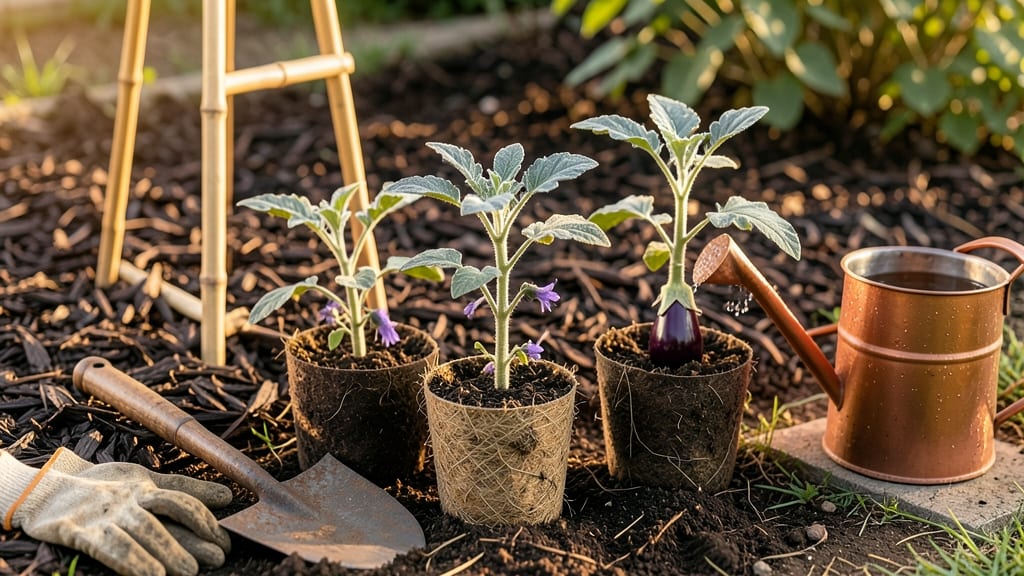
Planting eggplant in Southern California might seem tricky—after all, those 90°F+ days can turn your garden into a sauna. But timing it right means the difference between a bumper crop of glossy 🍆 and wilted disappointment.
The key? Avoid the brutal summer heat by sticking to spring or fall plantings—March through June or August through September. Coastal areas (Zones 10-11) have a longer window, while inland deserts (Zones 9a-9b) need to plant earlier to escape the worst of the sun.
I’ll break down the exact dates and heat zone tricks to keep your plants thriving.
You’ll also discover how to prep your soil, choose the best varieties for SoCal’s climate, and water like a pro to prevent bolting or bitter fruit. Whether you’re a first-time gardener or a seasoned green thumb, these tips will help you grow eggplants that rival the farmers' market.
Ready to turn your backyard into a purple paradise? Let’s dive into the perfect planting schedule and care secrets that actually work in Southern California’s unpredictable heat.
Southern California eggplant planting calendar by heat Zone
Southern California’s diverse microclimates—from coastal Zone 10 to inland Zone 9 valleys—create unique windows for growing eggplant. Unlike northern climates, SoCal gardeners can plant eggplants in both spring and fall, but timing is critical to avoid heat stress or bolting.
Coastal areas enjoy longer growing seasons, while inland zones must act faster before summer’s peak heat arrives. Below, I break down the optimal planting dates for transplants vs. seeds, tailored to your specific heat zone.
Eggplants thrive when soil temperatures stay above 60°F but struggle when daytime highs exceed 95°F. In Zone 10 (coastal), you can push the envelope with summer plantings, while Zone 9 (inland) gardeners should focus on spring and early fall.
The key is to start seeds indoors 8–10 weeks before transplanting to give seedlings a head start. For direct sowing, wait until soil warms to 70°F—a challenge in early spring but ideal in late summer.
🌱
In Zone 9 inland areas, like the San Fernando Valley or Coachella Valley, the window for spring planting closes by June 15. After that, daytime temperatures often soar past 95°F, causing eggplants to bolt (flower prematurely) or develop bitter fruit.
For these zones, a fall planting in August or September is your best bet—just ensure soil stays warm enough for germination.
Coastal Zone 10 gardeners in areas like Malibu or San Diego have more flexibility. You can transplant eggplants as late as June 15 and even direct sow through July 1, thanks to cooler ocean breezes.
However, watch for heat stress in urban pockets like downtown LA, where pavement radiates heat. If your garden hits 95°F+, provide afternoon shade with shade cloth or mulch heavily to keep roots cool.
For fall plantings, aim to get seeds in the ground by August 1 in Zone 9 and September 1 in Zone 10.
Eggplants need 75–120 days to mature, so time it so your last harvest occurs before the first cool snap (rare in SoCal but possible in inland deserts by November). In coastal areas, you can push harvests into December with protection from Santa Ana winds.
Pro tip: Use black plastic mulch to warm soil faster in spring or retain moisture in summer. This trick extends your planting window by 2–3 weeks in both Zone 9 and Zone 10.
Pair it with drip irrigation to avoid wetting leaves, which reduces fungal diseases like powdery mildew—a common issue in SoCal’s humid summers.
🌿
If you’re starting seeds indoors, begin 8–10 weeks before your target transplant date. For example, Zone 9 gardeners should start seeds by January 15 for a spring transplant in March, while Zone 10 can wait until February 15.
Use grow lights if natural light is limited, and harden off seedlings for 10–14 days before transplanting to prevent shock. Seedlings need 6+ hours of sun daily, so
5 Critical factors that determine eggplant success in SoCal heat
Southern California’s summer heat can turn eggplant from a bountiful harvest into a wilting disappointment if you don’t account for key factors. Unlike cooler climates, SoCal’s 90°F+ days demand precise adjustments to soil, water, and plant placement.
I’ve grown eggplants in Zone 10a for years, and these five variables make the difference between plump, glossy fruit and sad, seedy failures.
First, soil temperature is non-negotiable—eggplant seeds need 60°F+ soil to germinate, while established plants thrive at 75–85°F. Inland areas hit 95°F+ by midday, forcing you to shade young plants or opt for fall planting.
Coastal zones have a slight reprieve, but even there, afternoon humidity can trigger fungal issues if you’re not careful.
🔹 Visual Tip: Use a soil thermometer (just $10) to check temps before planting—below 60°F means wait, even if air temps are warm.
📌 Numbered Highlights: SoCal Eggplant Survival Guide
- 1. Soil Temp Threshold: 60°F+ for seeds, 75–85°F for growth. Test with a soil thermometer—below 60°F delays germination by weeks.
- 2. Heat Limit: Avoid planting when daytime highs exceed 95°F. Use shade cloth (30–50%) for young plants or switch to fall planting (August–September).
- 3. Watering Rule: Deep soak 1–1.5 gallons per plant every 2–3 days in summer. Drip irrigation at soil level prevents leaf diseases like powdery mildew.
- 4. Mulch Mandate: Apply 3–4 inches of straw or wood chips to retain moisture and block weeds. Dark mulch also warms soil faster in spring.
- 5. Companion Plants: Pair with basil, marigolds, or beans to deter pests. Avoid fennel or cabbage—they stunt eggplant growth.
Watering is where most SoCal gardeners stumble. Eggplants are drought-sensitive but hate soggy roots—overwatering in heat leads to blossom end rot or root rot. My trick? Drip irrigation set to run for 45 minutes every morning delivers 1–1.5 gallons per plant without wetting leaves.
For container-grown plants, check soil moisture daily—pots dry out 3x faster than in-ground beds.
Don’t overlook mulch—it’s your secret weapon against SoCal’s intense sun and dry winds. A 3-inch layer of straw keeps roots 5–10°F cooler and locks in moisture.
I’ve seen eggplants in 105°F heat thrive with mulch, while unmulched plants bolt prematurely. Plus, mulch blocks weeds, reducing competition for water and nutrients.
Lastly, companion planting can double your yields. Basil repels pests like aphids and whiteflies, while marigolds confuse eggplant moths with their scent. I plant one basil plant per 4 eggplants and scatter marigold seeds around the perimeter.
Avoid planting near fennel or brassicas—they release chemicals that stunt eggplant growth.
With these five factors locked in, you’ll harvest glossy, firm eggplants from June through November—no matter where you garden in SoCal. The key? Monitor soil temps, water deeply, mulch aggressively, and plant smart companions. 🌱