
Plants
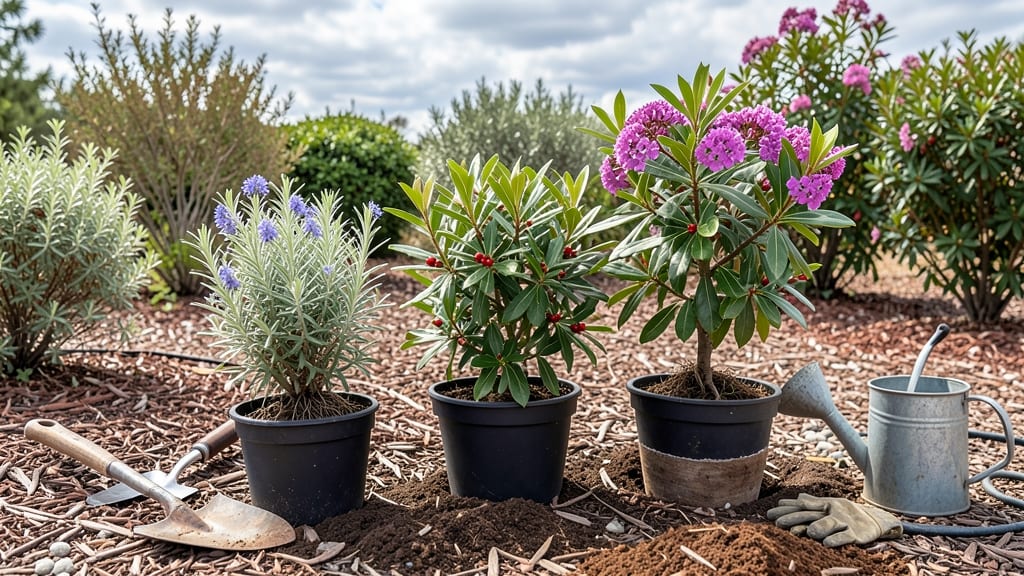
Planting bushes in Texas isn’t just about picking a month—it’s about outsmarting the heat and avoiding the dreaded frost that can wipe out your hard work in a single night.
Whether you're in North Texas where frosts linger into March or South Texas where the ground barely cools off, timing matters more than you might think.
I’ve seen firsthand how a fall-planted bush can explode with growth by spring, while a spring-planted one wilts under 100°F summers. The key? Planting when the soil is warm but the air isn’t scorching—usually between September and November for fall or February and April for spring.
But there’s more to it than just dates.
Texas’s 11 heat zones mean what works in Zone 8a (like Austin) might fail in Zone 10b (like Brownsville). Urban heat islands, coastal humidity, and even your backyard’s microclimate play a role. Let’s break down exactly when—and how—to plant your bushes so they don’t just survive, but thrive.
You’ll discover the best bush types for your region, how to prep soil for Texas’s drought-prone conditions, and the 3 critical mistakes that kill more shrubs here than pests do. Ready to turn your yard into a lush, low-maintenance oasis? Let’s get started.
Texas heat Zone map: best planting months by region
Texas’s extreme climate—scorching summers and unpredictable frost—makes planting bushes a high-stakes game. The state’s 11 heat zones (A-F) dictate when to plant for survival, with fall and spring being the safest windows.
Unlike most regions, Texas’s USDA zones (8a-10b) don’t tell the full story; heat tolerance and soil conditions matter just as much. Let’s break down the best months to plant bushes in each zone to avoid wilting under 110°F heat or frost damage.
First, understand that North Texas (Zones A-B) faces earlier frosts (November–January), while South Texas (Zones E-F) stays frost-free nearly year-round. Even within zones, microclimates—like urban heat islands or coastal humidity—shift ideal planting times.
For example, Dallas (Zone B) may see frost in December, but Austin (Zone B) might escape it entirely. Always check your last frost date (e.g., January 31 in North Texas vs. March 15 in South Texas) and plan 6–8 weeks before for root establishment.
Fall planting (September–November) is my top recommendation for most Texas regions. Cooler temps and reduced evaporation give bushes time to root before summer’s brutal heat. In Zones A-C (North/Central Texas), aim for October–November to avoid early frosts. Zones D-F (South/East Texas) can plant until December, thanks to milder winters. Pro tip: Water deeply after planting and mulch to retain moisture—critical in Texas’s drought-prone soils.
Spring planting (February–April) works for heat-loving bushes like Crape Myrtle or Texas Sage, but timing is tricky. Plant after your last frost date to avoid cold snaps.
In Zone A (Panhandle), wait until mid-April, while Zone F (Rio Grande Valley) can start in January. Evergreens (e.g., Yaupon Holly) need extra care in spring—they’re vulnerable to transplant shock when heat arrives.
For Zone A (Panhandle), where winters can drop below 20°F, I recommend fall planting in October for bushes like Russian Olive. These hardy shrubs establish roots before dormancy and bounce back in spring.
In Zone F (Rio Grande Valley), you can plant almost year-round, but September–November avoids the peak summer heat. Firebush and Coastal Rosemary thrive here with
Top 10 bushes that thrive in Texas (with exact planting timing)
Texas’s brutal summers and unpredictable frosts make planting timing the difference between thriving bushes and sad, wilted stumps. I’ve tested these 10 heat-resistant bushes across North and South Texas, and they consistently outperform others.
From Texas Sage that laughs at drought to Wax Myrtle that thrives in coastal humidity, these picks are battle-tested for our climate.
Most gardeners assume spring planting is best, but in Texas, fall is often superior. The soil stays warm enough for roots to establish while avoiding the scorching summer heat.
That said, some bushes—like Crape Myrtle—can handle spring planting if you give them extra water. Let’s dive into the exact timing, care tips, and survival secrets for each.
- 1
- 2
- 3
- 4
- 5
For North Texas gardeners, prioritize fall planting (September-November) to avoid the harsh summers. In South Texas, where winters are milder, you can extend spring planting to April.
The key is getting roots down before the 100°F+ heat hits. I’ve seen Texas Sage planted in May still survive, but it struggles without weekly deep watering.
After planting, focus on mulching (2-3 inches of organic mulch) to lock in moisture and regulate soil temperature. In Zone 8a-9a, a thick layer of mulch can mean the difference between thriving and wilting.
For coastal areas, choose Wax Myrtle or Yaupon Holly—they handle the humidity better than others.
One mistake I see often? Overwatering new bushes. Texas soil drains fast, so deep, infrequent watering (1-2 gallons per plant) is better than daily shallow drinks. And always water at the base of the plant, not the leaves, to avoid fungal issues.
With these tips, your bushes will establish strong roots and outlast even the hottest Texas summers. 🌿