
Plants
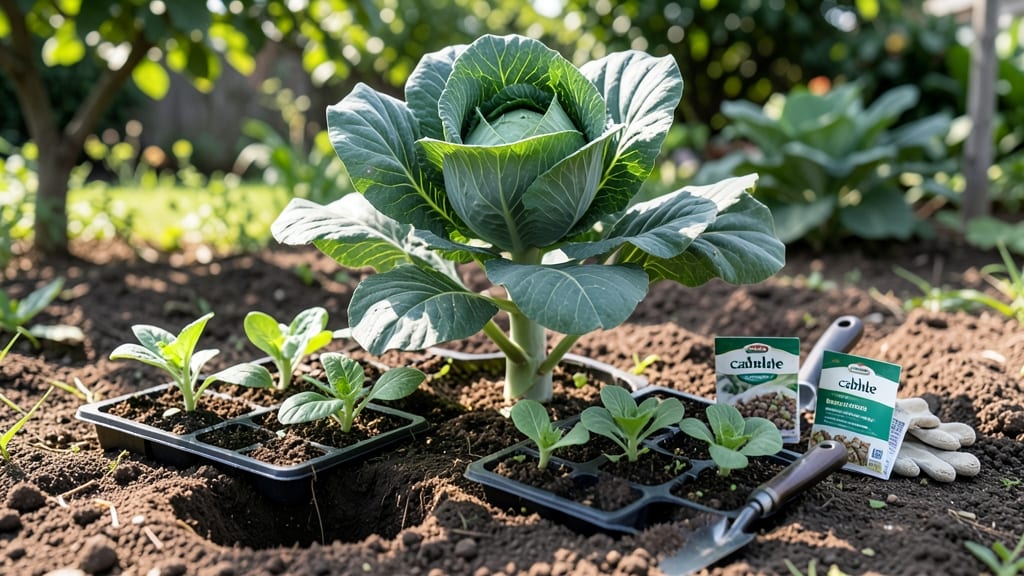
Planting cabbage in South Carolina’s 7b-8a climate isn’t just about timing—it’s about avoiding the two biggest enemies of a great harvest: scorching summer heat and unpredictable frost. Skip the right window, and you’ll end up with bitter, bolted heads or stunted growth.
But get it right, and you’ll enjoy crisp, homegrown 🥬 straight from your garden.
Most gardeners in South Carolina focus on two key planting windows: early spring (March-April) for a late spring harvest and late summer (August-September) for a fall bounty. The secret? Planting 4-6 weeks before your last frost date (usually mid-March) ensures seedlings get a head start without bolting in the heat.
For fall crops, aim for 10-12 weeks before the first frost (mid-November) to let heads mature before winter sets in.
If you’re new to growing cabbage, don’t overlook soil prep—the rich, well-draining loam of South Carolina’s Piedmont region is perfect, but amending clay soils with compost makes all the difference.
And here’s a pro tip: shade cloth during peak summer can save your plants from wilting, while row covers in early spring protect tender seedlings from late frosts.
Ready to grow cabbage like a local? I’ll walk you through the exact months, varieties that thrive in Zone 7b-8a, and how to stretch your harvest from spring to fall—no guesswork, just crisp, homegrown success. Let’s get those seeds in the ground!
South Carolina cabbage planting calendar: exact months and USDA Zone 7b-8a guidelines
South Carolina’s USDA Zones 7b-8a offer two prime windows for growing cabbage: early spring and late summer. Timing is critical—plant too soon, and heat triggers bolting (flowering prematurely); too late, and your crop faces pest pressure or stunted growth.
Let’s break down the exact months and soil conditions for success.
In Zone 7b (e.g., Columbia, Charleston), average last frost dates fall between March 15–25, while Zone 8a (e.g., Myrtle Beach, Hilton Head) sees frost-free seasons until mid-November. These differences mean your planting schedule should shift slightly depending on your location within the state.
For spring cabbage, aim to sow seeds or transplant seedlings 4–6 weeks before your last frost date.
In most of SC, this means mid-February to early March for Zone 7b and late February to mid-March for Zone 8a. Fall plantings should occur 10–12 weeks before the first frost, landing you in late August to early September.
| Planting Window | USDA Zone 7b | USDA Zone 8a | Soil Temp (°F) | Key Notes |
|---|---|---|---|---|
| Spring Planting | Mid-February to Early March |
Late February to Mid-March |
45–55°F | Transplant seedlings 4–6 weeks before last frost. Use row covers if nights are chilly. |
| Fall Planting | Late August to Early September |
Early August to Mid-September |
50–60°F | Direct sow or transplant 10–12 weeks before first frost. Choose heat-tolerant varieties like 'Cavalo' or 'Golden Acre'. |
| Soil Prep | February–March | February–March | N/A | Test soil pH (6.0–6.8). Amend with compost and aged manure for fertility. |
| Harvest Window | May–June (Spring) October–November (Fall) |
May–June (Spring) November (Fall) |
N/A | Harvest when heads are firm and compact. Avoid letting heads split or turn yellow. |
Cabbage thrives in cool weather, so avoid planting during summer’s peak heat (June–July). If you’re in Zone 8a, opt for heat-tolerant varieties like 'Cavalo' or 'Golden Acre' to push your fall harvest later into October or even November. These varieties handle warmer soil temperatures better than traditional types.
Your soil temperature is just as important as the calendar. Cabbage seeds germinate best in soil between 45–55°F. Use a soil thermometer to check—if temps are too high, wait a few days or use shade cloth to cool the soil.
In SC’s humid climate, well-draining soil is a must to prevent rot diseases like black rot.
For spring plantings, start seeds indoors 6–8 weeks before transplanting (around January for Zone 7b, late January for Zone 8a). Harden off seedlings for 7–10 days before moving them outdoors.
In the fall, direct-sow seeds 1/4 inch deep and keep them consistently moist until germination, which typically takes 5–10 days in ideal conditions.
One of my favorite tricks for extending the season is using row covers or low tunnels in early spring or late fall. These protect young plants from frost damage and cabbage worms, giving you a head start or extra weeks of harvest.
Just remember to remove covers during the day in Zone 8a’s warmer stretches to avoid overheating.
If you’re in Zone 8a, don’t overlook winter cabbage. Some varieties, like 'January King' or 'Winterbor,' can tolerate light frosts and even improve in flavor after a frost.
Plant these in late September for a harvest in December–January. Just be prepared to protect them with row covers during hard freezes.
Finally, keep an eye on your pest pressure
How to extend your cabbage harvest in South Carolina: succession planting and heat-tolerant varieties
South Carolina’s long growing season and humid summers can challenge cabbage lovers, but with the right strategies, you can enjoy fresh heads from spring through fall. The key lies in succession planting and selecting heat-tolerant varieties that thrive in USDA Zone 7b-8a conditions.
By staggering plantings and protecting young plants, you’ll avoid the dreaded bolting that turns your cabbage into bitter, seed-stalked disappointment.
My secret? Start with ‘Golden Acre’ for early spring harvests and ‘Cavalo’ for late-season success. These varieties handle warmer temperatures better than traditional types, giving you a 6-8 week extension of harvest time.
Pair them with shade cloth during peak summer heat, and you’ll transform your garden into a cabbage-producing powerhouse.
- Cooler soil temps prevent bolting
- Longer harvest window
- Fewer pests early in season
- Requires frost protection
- Slower initial growth
- Warmer soil speeds growth
- Heat-tolerant varieties thrive
- Extended harvest before frost
- Bolting risk in late summer
- More pest pressure
- Requires shade protection
- Continuous harvest schedule
- Reduces bolting risk
- Maximizes garden space
- Requires frequent sowing
- More plant maintenance
For spring planting, start seeds indoors 8-10 weeks before your last frost date (typically mid-March in SC). Transplant seedlings outdoors in early April when soil temperatures stay below 75°F.
Use row covers to protect young plants from cabbage worms and imported cabbageworms, which thrive in SC’s warm climate.
To extend your harvest into summer and fall, try succession planting every 2 weeks from August through September. Choose ‘Cavalo’ or ‘Tendercrisp’ varieties—they handle 85°F+ temperatures better than most.
Pair them with 30-50% shade cloth during the hottest afternoons to prevent bolting. I’ve found that drip irrigation keeps soil consistently moist, which is critical during SC’s humid summers.
Don’t overlook soil preparation—amend your beds with compost and a balanced fertilizer (10-10-10) before planting. Cabbage needs rich, well-draining soil with a pH of 6.0-6.8.
In my Zone 8a garden, I’ve had the most success with raised beds filled with a mix of topsoil, compost, and perlite to improve drainage and prevent waterlogged roots.
Pro tip: Harvest your outer leaves first to encourage continued growth. This works especially well with ‘Golden Acre’, which produces multiple harvests per plant.
By combining succession planting with heat-tolerant varieties and protective shading, you can enjoy homegrown cabbage for nearly 6 months in South Carolina—no grocery store required!