
Plants
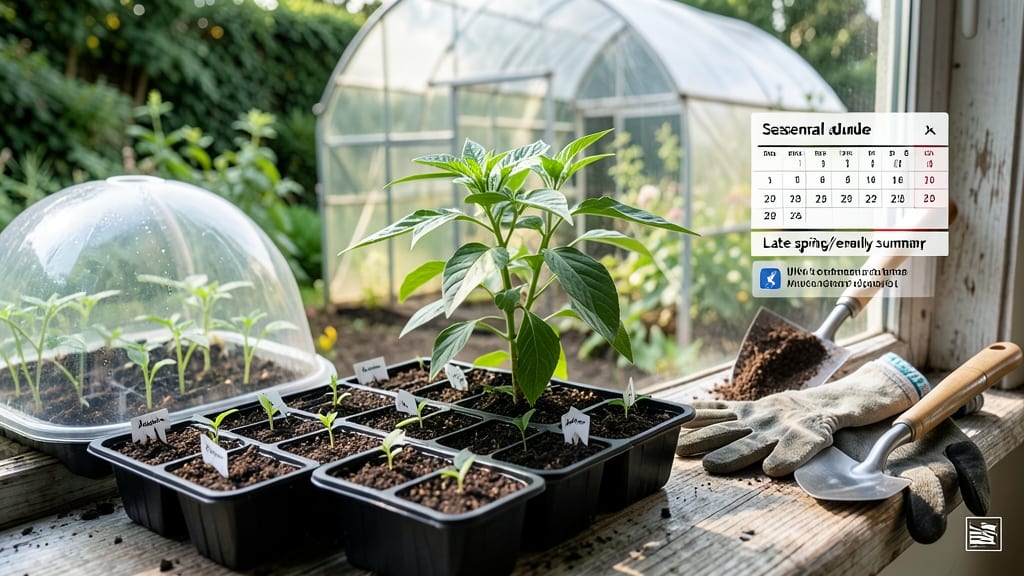
Timing when to plant chillies in the UK perfectly can mean the difference between a fiery harvest and frost-killed dreams—so let's get this right from the start. With 🌶️ chillies needing 180-220 frost-free days to mature, even a few weeks off can ruin your season.
Most gardeners start seeds indoors between February and March, giving them a head start before the last frost hits in mid-April. But here's the catch: UK regions vary wildly—southern areas like Cornwall can plant outdoors by May, while northern Scotland might need to wait until June.
Whether you're growing in containers or directly in the ground, soil temperature matters more than calendar dates. Aim for 18-24°C before transplanting, and always harden off seedlings gradually to avoid shock.
I'll walk you through exact planting windows by region, plus pro tips for extending your growing season—because in the UK, timing isn't just about when to plant, it's about how to cheat the climate to get those spicy rewards. Let's dive in.
UK chilli planting deadlines by region: avoid frost and maximize heat
Getting your chilli plants in the ground at the right time is everything in the UK—where frost warnings can turn your fiery dreams into sad, blackened stems overnight. Unlike tropical plants, chillies need warm soil (at least 18°C) and consistent heat to thrive.
But with regional frost dates varying by 3-4 weeks, timing is everything. Whether you're in sunny Cornwall or cool Glasgow, these deadlines will help you avoid frost damage and maximize your harvest.
Most UK gardeners start chillies indoors in February or March, then transition them outside after the last frost date. But since the UK’s frost-free window shrinks the farther north you go, I’ve broken down the exact planting deadlines for England, Scotland, Wales, and Northern Ireland.
Pro tip: Use a seed heat mat if your home is chilly—chillies hate cold feet!
⚠️ Critical Note: Even if your region’s last frost date is in May, soil temperature often lags behind air temperature. Test with a soil thermometer—chillies won’t germinate well below 18°C. If your soil is still cold, opt for container growing or a polytunnel to give roots a warm start.
If you’re in Scotland or Northern Ireland, your growing season is shorter, so prioritize fast-maturing varieties like ‘Apache’ (60 days) or ‘Jalapeño M’ (75 days). For Southern England, you’ve got more flexibility—try ‘Padron’ or ‘Habanero’ if you’re up for the heat!
Remember, container growing is your best friend in cooler regions—pots warm up faster than soil.
Once your seedlings are ready for outdoor life (after hardening off for 10-14 days), wait until the soil temperature hits 18°C before planting.
Use a soil thermometer or press your finger into the soil—if it’s cooler than your wrist, wait a few more days. Black plastic mulch can help warm the soil faster if you’re in a hurry!
For container growers, you’ve got an edge—pots stay warmer and can be moved to sunniest spots or even indoors if unexpected frost looms. Just ensure your containers have drainage holes and use lightweight compost
How to extend the UK growing season for chillies: greenhouses, polytunnels & heat hacks
Even in the UK’s cooler climate, you can turn your chilli plants into fiery success stories by extending the growing season. With the right season extenders and heat hacks, you’ll push your chillies past their natural limits—producing peppers when others are still dreaming of summer.
The key lies in understanding how to create a microclimate that mimics warmer conditions, whether through greenhouses, polytunnels, or clever placement on your patio.
I’ve grown chillies in the UK for years, and the difference between a disappointing harvest and a bountiful one often comes down to these simple but effective strategies.
From choosing the right heat-loving varieties to using black plastic mulch or even DIY heat sources, every trick counts when you’re battling cooler temperatures. Let’s dive into the practical steps that will help you keep your chillies thriving long after the last frost.
🔥 Top 5 Heat Hacks for UK Chillies
- 🌱 Start seeds indoors in February-March (8-12 weeks before last frost) using grow lights or a sunny windowsill.
- 🏡 Use a greenhouse or polytunnel to trap heat—even a small cold frame can add 5-10°C to soil temperature.
- 🔥 Apply black plastic mulch around plants to absorb and retain heat, raising soil temps by 3-5°C.
- ☀️ Place pots on gravel or paving to create a heat sink that warms roots during the day and releases it at night.
- 💡 Use a DIY heat mat (like a low-wattage bulb in a reflective box) for early seedlings or late-season plants.
One of the biggest mistakes I see UK gardeners make is waiting too long to harden off seedlings or assuming their greenhouse is warm enough. A polytunnel can extend your season by 4-6 weeks compared to outdoor planting, but you’ll need to ventilate properly to avoid overheating.
I recommend installing shade cloth during peak summer months to prevent stress on your plants while still trapping enough warmth.
For those with limited space, container growing is a game-changer. Choose fast-maturing varieties like ‘Apache’ or ‘Jalapeño M’, and place pots in the sunniest spot you can find—even a south-facing balcony.
I’ve had great success with 15-20 litre pots filled with compost and perlite to improve drainage, which is critical for chillies. Remember, larger containers mean more root space, but they also cool down faster, so group pots together to create a shared microclimate.
Don’t overlook the power of cold frames or cloche covers for late-season protection. These simple structures can shield your plants from unexpected frosts in September or October, giving you an extra 2-3 weeks of harvest time.
I’ve used plastic domes over individual plants when nighttime temps drop below 10°C, and the results are impressive. Pair this with a thick mulch layer to insulate the soil, and you’ll be amazed at how resilient your chillies become.
Finally, choose your chilli varieties wisely. Some, like ‘Padron’ or ‘Shishito’, tolerate cooler temps better than others. I’ve found that shorter-day varieties (like ‘Cayenne’) perform better in the UK’s longer daylight hours than tropical varieties that need 12+ hours of darkness to fruit.
Pair this with regular pruning to focus energy on fruit production, and you’ll maximise your harvest—even in Zone 8-9.