
Plants
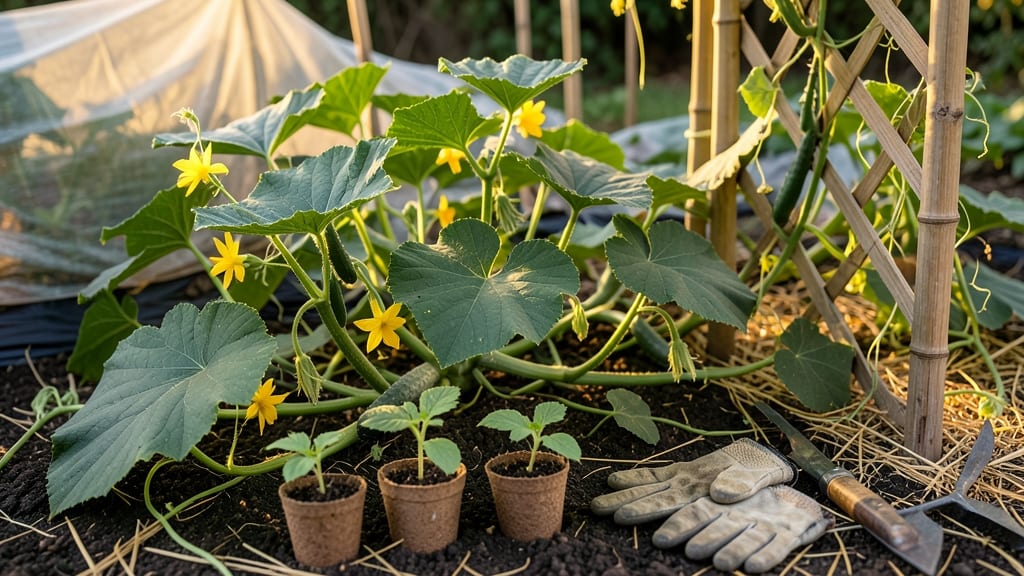
Timing your cucumber planting in Maine isn't just about the calendar—it's about catching that narrow window between frost risks and summer heat. With USDA zones 5b-6b and unpredictable late frosts, getting it wrong means waiting weeks for harvests or losing plants entirely.
But here's the good news: with the right approach, you can grow crisp, homegrown 🥒 from July through September.
Most gardeners in Maine wait until mid-May to early June after the last frost date (usually around May 15), but soil temperature matters just as much. Cucumbers need warm ground—at least 60°F—to thrive, which often means delaying planting until late May even if the air feels spring-like.
This warm-season crop won't tolerate cold snaps, so rushing it could backfire.
What you'll discover here are the exact planting windows for your zone, plus smart strategies to extend your harvest. We'll cover everything from soil prep to protecting young plants, so you can avoid common mistakes and enjoy fresh cucumbers all summer.
Let's get those seeds in the ground the right way.
Whether you're a first-time gardener or a seasoned grower, these insights will help you maximize your cucumber yield in Maine's challenging climate. Ready to turn your garden into a productive 🥒 powerhouse? Let's dive in.
Maine’s frost-free dates by Zone: exact timing for cucumber planting success
Maine’s cool climate and variable frost dates demand precise timing for cucumber success. As a warm-season crop, cucumbers need soil temperatures above 60°F and frost-free conditions to thrive. In USDA zones 5-7, your planting window shifts dramatically—from late May in coastal areas to early June inland.
Understanding these microclimates is key to avoiding frost damage and maximizing your harvest.
Coastal Maine (zones 6-7) typically enjoys earlier frost-free dates—often by May 10-15—thanks to the moderating ocean influence. Inland areas (zones 5b-6a) may wait until May 25 or June 1, when soil warms sufficiently.
Always monitor local frost forecasts and use soil thermometers to confirm readiness. Cucumbers planted too early risk chilling injury, while late planting cuts harvest time.
Soil temperature is just as critical as air temperature. Cucumbers won’t germinate well below 60°F, and roots struggle in cold, wet soil. Use black plastic mulch or row covers to warm soil faster in Zone 5 areas. For container gardening, choose heat-absorbing pots and place them on dark surfaces like gravel or concrete to accelerate warming.
For direct sowing, Maine gardeners should wait until two weeks after the average last frost date. This buffer accounts for unpredictable late frosts, especially in Zone 5.
If you’re transplanting starts, harden them off first and plant 1-2 weeks earlier than direct-sowing dates, as young plants recover better from transplant shock than seeds.
Coastal vs. inland differences matter! Coastal Zone 7 areas like Portland or Bar Harbor can plant 2-3 weeks earlier than inland Zone 5b spots like Presque Isle. Use the USDA Plant Hardiness Map and local Cooperative Extension Service data to refine your timing. Even within a zone, elevation changes of 100 feet can shift frost dates by 1-2 weeks.
If you’re container gardening, prioritize heat-retentive materials like fabric pots with dark exteriors. These warm up faster than traditional plastic pots.
Place containers near south-facing walls or under cloche covers during cool nights. Bush cucumber varieties like ‘Bush Champion’ are ideal for containers, as they mature faster than vining types.
Pro tip: Succession plant every 2 weeks from June through July to extend your harvest. This works especially well in Zone 6-7, where the growing season stretches into early October.
Choose fast-maturing varieties like ‘Early Green Finger’ (50 days) or ‘Marketmore 76’ (60 days) for shorter seasons.
Always monitor local weather forecasts and have row covers ready for unexpected cold snaps. Even in Zone 7, a late May frost can wipe out young plants. With the right timing, you’ll enjoy crisp, homegrown cucumbers from July through September—no matter where in Maine you garden. 🌱
How to extend Maine’s growing season for cucumbers: cold Frames, row covers, and succession planting
Maine’s short growing season can feel like a challenge for cucumbers, but with the right strategies, you can enjoy homegrown harvests from early summer until frost. The key is using season-extending tools and heat-tolerant varieties that thrive in cooler conditions.
I’ve found that combining row covers with succession planting gives me cucumbers from June through September—even in USDA Zone 5b.
One of my favorite tricks is starting cucumbers in a cold frame or under Reemay fabric as early as late April. This gives seedlings a head start without risking frost damage.
For varieties, I always choose ‘Straight Eight’ or ‘Lemon Cucumber’—both handle Maine’s cooler summers better than standard slicing types. These varieties also produce well in containers, which is perfect for small spaces or patios.
Extending Cucumber Season in Maine
✅ Pros
- Row Covers: Protect from pests and light frosts, boost soil warmth by 3-5°F
- Cold Frames: Extend season by 4-6 weeks on either end, ideal for early starts
- Succession Planting: Staggered harvests prevent glut, maximizes yield in short season
- Heat-Tolerant Varieties: ‘Straight Eight’ handles 75°F+ better than standard types
❌ Cons
- Row Covers: Can overheat plants if temps exceed 85°F (ventilate during heatwaves)
- Cold Frames: Require weekly monitoring to prevent rot from trapped moisture
- Succession Planting: Needs organized record-keeping to track planting dates
- Containers: Dry out faster than in-ground beds, need daily watering in summer
For succession planting, I make weekly transplants from late May through early July. This ensures a continuous supply of fresh cucumbers when the first batch starts to decline.
I use 5-gallon containers filled with a mix of compost and coconut coir—this keeps roots warm and retains moisture better than regular soil. If you’re short on space, try vertical trellising with cucumbers like ‘Spacemaster’ to save garden real estate.
One mistake I used to make was waiting too long to remove row covers in spring. Now I check the 5-day forecast and remove covers when nighttime temps stay above 50°F consistently.
For late-season protection, I’ve started using low tunnels with floating row covers to shield plants from early October frosts. This has let me harvest cucumbers until mid-October in my garden.
If you’re new to cold frames, start small with a DIY wooden box covered in clear polycarbonate panels. Position it on the south side of your garden to maximize sunlight.
For row covers, I recommend Reemay fabric—it’s breathable enough to prevent overheating while still blocking pests. Always secure edges with bricks or soil to prevent wind damage.
Remember, cucumbers are 90% water, so consistent moisture is critical. In Maine’s humid summers, I water deeply in the morning and avoid wetting leaves to prevent powdery mildew.
With these strategies, you can turn Maine’s short season into a cucumber lover’s paradise—no matter where you live in the state!