
Planting
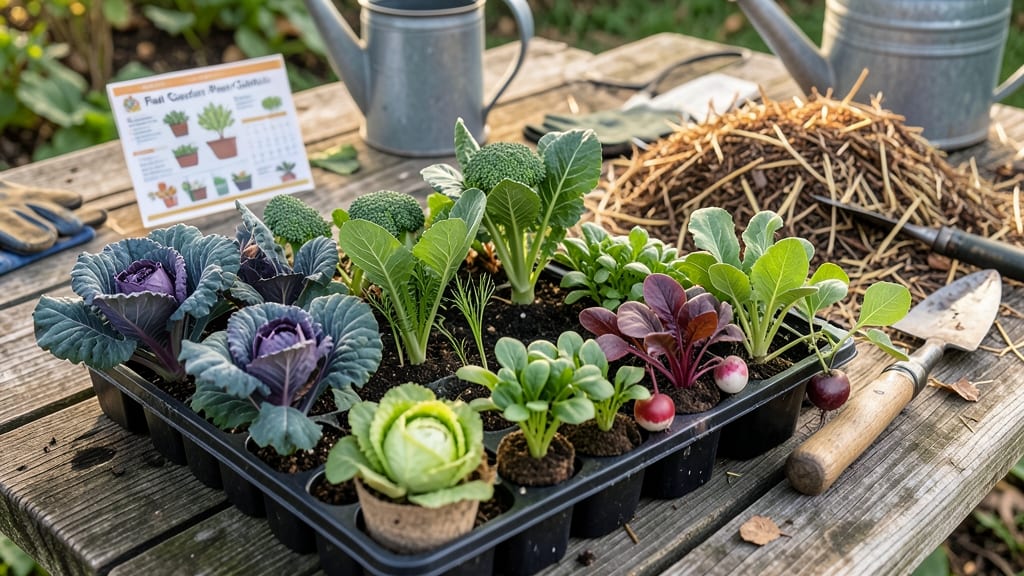
Planting your fall garden in Missouri at the wrong time can mean the difference between a thriving harvest and a sad pile of frost-killed seedlings. With USDA Zones 5b-7a facing unpredictable frosts, timing isn't just important—it's everything.
You've got 4-6 weeks to get it right, and missing that window could leave you with bitter greens or stunted roots. The key is understanding Missouri's first frost dates—typically between mid-October and early November—and working backward from there.
This isn't just about throwing seeds in the dirt; it's about strategic planning to maximize your garden's potential before winter sets in.
I'll walk you through the exact planting schedule for your zone, plus pro tips to extend your harvest season. Whether you're growing leafy greens, root vegetables, or cold-hardy herbs, knowing when to plant ensures you'll have fresh produce straight through the fall.
Let's dive into the perfect planting timeline so you can enjoy a bountiful fall garden without the guesswork. Your future self—and your dinner table—will thank you!
Missouri fall planting deadlines by USDA Zone (5-6) for zero-frost success
Missouri’s USDA Zones 5-6 offer a perfect window for growing cool-season crops in fall, but timing is everything. The average first frost date ranges from September 15 in northern regions to October 15 in southern areas, making August the ideal month to start planting.
For zero-frost success, aim to plant most crops 4-6 weeks before your expected frost date.
Regional differences matter in Missouri—St. Louis (Zone 6a) typically has a later frost than Columbia (Zone 6a) or Kansas City (Zone 6b). This means your planting deadlines may shift by 1-2 weeks depending on location.
Always check your local frost-free days (usually 165-200 days) to fine-tune your schedule.
Here’s your Missouri fall planting timeline for leafy greens, root vegetables, brassicas, and herbs, broken down by crop type and regional adjustments:
| Crop Type | Planting Window (St. Louis) | Planting Window (Kansas City) | Planting Window (Columbia) | Frost Tolerance | Notes |
|---|---|---|---|---|---|
| Leafy Greens (Lettuce, Spinach, Kale) | August 15–September 15 | August 1–September 10 | August 20–September 20 | Moderate (25°F–30°F) | Plant bolt-resistant varieties like 'Winter Density' lettuce. |
| Root Vegetables (Carrots, Beets, Radishes) | August 1–September 1 | July 25–August 25 | August 5–September 5 | High (20°F–25°F) | Use loose soil to prevent forking in carrots. |
| Brassicas (Broccoli, Cabbage, Brussels Sprouts) | July 15–August 15 | July 1–August 10 | July 20–August 20 | Very High (15°F–20°F) | Start transplants early for larger heads. |
| Herbs (Cilantro, Parsley, Dill) | August 10–September 10 | August 1–September 5 | August 15–September 15 | Moderate (25°F–30°F) | Avoid bolting with shade cloth in late summer. |
| Peas & Beans (Green Peas, Fava Beans) | August 1–September 1 | July 25–August 20 | August 5–September 10 | High (20°F–25°F) | Plant dwarf varieties for easier harvest. |
For St. Louis gardeners, prioritize planting leafy greens and herbs by August 15 to ensure they mature before frost. In Kansas City, where frosts arrive slightly earlier, start brassicas and root crops by July 25 to give them enough time.
Meanwhile, Columbia’s warmer microclimate allows for a 2-week extension on most deadlines.
Missouri’s last harvest dates typically fall between November 1 and November 15, depending on crop type. Leafy greens like spinach and kale can often survive light frosts and may even taste sweeter afterward.
However, root vegetables like carrots and beets should be harvested before hard frosts (25°F or below) to prevent damage.
Pro tip: Use row covers or cold frames to extend your harvest window by 2-3 weeks. These tools create a 5-10°F warmer microclimate, protecting tender crops like lettuce and cilantro from early frosts. Just be sure to remove covers during the day to prevent overheating.
If you’re unsure about your local frost date, check the Missouri State Climatologist’s reports or use a frost calendar app like Old Farmer’s Almanac. Adjust your planting schedule based on 3-year averages rather than relying on a single year’s data for consistency.
Remember, succ
How to extend your Missouri fall garden season without frost damage
Missouri’s fall garden can thrive well past the first frost if you use the right strategies. The key is protecting your plants from light freezes (28-32°F) and hard freezes (below 28°F) while still allowing them to mature.
I’ve learned that row covers, cold frames, and succession planting can push harvests into November—sometimes even December—without damage. The trick is balancing protection with airflow to prevent fungal diseases like downy mildew.
One of my biggest mistakes was planting spinach too early in August, only to watch it bolt before frost. Now, I swap it for kale or collard greens, which handle cold better and keep producing.
These frost-tolerant crops are my secret weapon for extending the season. Pair them with protective gear, and you’ll have fresh greens when most gardens are bare.
Here’s how I extend my Missouri fall garden without frost damage—step by step:
For emergency frost protection, I keep a 3-step checklist handy. First, water plants deeply the night before a freeze—moist soil insulates roots better than dry soil.
Next, cover tender plants with blankets or cardboard (yes, even cardboard works in a pinch!) and secure them with rocks or stakes. Finally, remove covers the next morning to prevent soggy soil and mold growth. This method saved my tomato plants last October when temps dropped to 26°F!
Another trick I’ve mastered is mulching heavily with straw or leaves to insulate soil. A 4-inch layer can keep roots 5-10°F warmer than bare soil. Pair this with drip irrigation on a timer to keep plants hydrated without overwatering.
I’ve seen Swiss chard survive 20°F nights with this combo—it’s like a mini greenhouse for your garden bed.
Don’t forget about microclimates! South-facing beds stay warmer longer, so plant your most frost-sensitive crops (like peppers or eggplants) there. Even a black plastic mulch can raise soil temps by 5-7°F.
In my St. Louis garden, this extra warmth lets me harvest green onions straight from the ground in December.
With these strategies, I’ve extended my fall harvests by 4-6 weeks—sometimes even longer. The key is layered protection: start with succession planting, add row covers for moderate cold, and use cold frames or mulch for hard freezes.
Your Missouri fall garden will thank you with bountiful, frost-free harvests well into winter. 🍂