
Planting
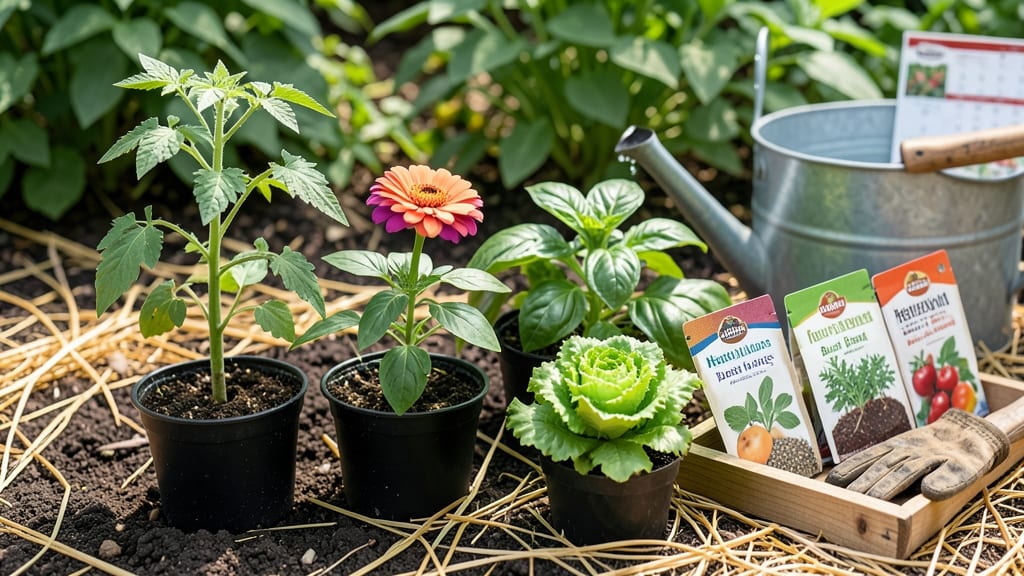
Timing your garden planting in Pennsylvania just right could mean the difference between a bumper crop and throwing away seeds. With USDA zones spanning 5b to 7a, you can't rely on one-size-fits-all advice - what works in Philadelphia might fail in Pittsburgh.
Most gardeners know the basics: plant after last frost, but Pennsylvania's unpredictable spring weather throws a wrench in those plans. I've learned the hard way that waiting for soil temperatures of 60°F for warm-season plants like tomatoes is more reliable than calendar dates alone.
In this guide, I'll break down exactly when to plant every major crop in your zone, including cool-season favorites and frost-sensitive varieties. You'll discover how to adjust for late frosts, extend your growing season, and even salvage a season when Mother Nature doesn't cooperate.
Whether you're a first-time gardener or a seasoned pro, these zone-specific strategies will help you maximize your harvest. Let's get your 🌱 General Garden Plants growing on the right timeline for your corner of Pennsylvania.
Pennsylvania planting calendar by USDA Zone: when to start seeds and transplant vegetables
Pennsylvania’s USDA zones 4a-7a create a 100+ day range in frost-free seasons, making precise planting timing critical. In Zone 4a (northwest PA), the last frost typically arrives May 15, while Zone 7a (southeast PA) sees it as early as March 15.
This month-long difference directly impacts which crops thrive where—and when you should start seeds indoors versus transplanting seedlings.
For cool-season crops like spinach, peas, and lettuce, I always begin indoor seed starting 4-6 weeks before the last frost date in my zone. In Zone 5b (central PA), that means March 15 for seeds, with transplanting outdoors April 15.
Warm-season plants like tomatoes and peppers, however, need soil temperatures above 60°F—which in Zone 6a (eastern PA) typically happens around May 1.
Here’s the zone-specific breakdown you need to plan your garden like a pro:
| USDA Zone | Last Frost Date | First Frost Date | Cool-Season Start Indoors | Warm-Season Transplant Outdoors | Frost-Free Days |
|---|---|---|---|---|---|
| 4a (NW PA) | May 15 | October 10 | April 1 | May 20 | 115 days |
| 5a (NE PA) | May 1 | October 20 | March 15 | May 10 | 140 days |
| 5b (Central PA) | April 15 | October 31 | March 1 | April 25 | 165 days |
| 6a (SE PA) | March 15 | November 1 | February 15 | April 1 | 180 days |
| 7a (Southeast PA) | March 1 | November 15 | January 15 | March 15 | 220 days |
In Zone 4a, where frost-free days are limited to 115 days, I focus on fast-maturing varieties like bush beans (50 days) and radishes (25 days).
Meanwhile, in Zone 7a, I can comfortably grow heat-loving crops like sweet potatoes (90-120 days) and okra (60-70 days) that would bolt in northern zones.
For frost-sensitive plants like cucumbers, melons, and basil, I always wait until two weeks after the last frost date—even if the soil feels warm. In Zone 6a, that means May 1 for transplanting, not April 15.
A late frost in April 2022 wiped out my tomato seedlings in Zone 5b, teaching me to harden off plants gradually and monitor 10-day forecasts.
Pro tip: Use row covers to extend your cool-season planting window by 2-3 weeks in spring and fall. I’ve successfully grown spinach until November 1 in Zone 6a with floating row covers, adding 30 extra harvest days to my season.
For warm-season crops, black plastic mulch can raise soil temperatures 5-10°F, letting you plant peppers and eggplants 1-2 weeks earlier.
Don’t forget about fall planting! In Zone 5b, I start broccoli and kale seeds August 1 for a harvest before first frost (October 31). The key is calculating days to maturity and planting so crops reach harvest 4-6 weeks before frost. For example, carro
How to adjust planting dates for Pennsylvania’s unpredictable spring weather patterns
Pennsylvania’s spring weather can throw even the most experienced gardeners off track—one week of unseasonable warmth followed by a late frost can turn your carefully planned garden into a frozen mess. The key to success lies in flexibility and preparation.
By using season extenders, selecting fast-maturing varieties, and having a backup planting schedule, you can turn unpredictable conditions into opportunities for a bountiful harvest.
Start by monitoring local frost dates from your nearest Cooperative Extension office or weather service. In Zone 5b, the last frost typically arrives around April 15, while Zone 7a sees it as early as March 15. However, these dates are not guarantees.
Use a frost watch app or set up a frost alarm to stay ahead of surprises. Even if your soil is workable, wait until nighttime temperatures consistently stay above 50°F before planting frost-sensitive crops like tomatoes and peppers.
- Week 1-2: Use row covers or cold frames to extend early planting by 2-3 weeks for cool-season crops like lettuce and spinach.
- Week 3-4: Plant fast-maturing varieties (e.g., bush beans, radishes) with a harvest time of 30-45 days to capitalize on brief warm spells.
- Week 5-6: Switch to heat-tolerant crops like okinawa sweet potatoes or malabar spinach if frost risk lingers.
- Week 7+: Implement a 30-day backup schedule—plant succession crops (e.g., baby carrots, turnips) every 2 weeks.
If a late frost strikes after you’ve planted, don’t panic. Row covers made of lightweight fabric can raise soil temperatures by 5-8°F and protect tender seedlings.
For extreme delays, opt for container gardening—you can move pots indoors or to a greenhouse if outdoor conditions turn hostile. Cold-hardy crops like kale, peas, and potatoes can handle light frosts, so prioritize these if your spring starts slow.
Another smart strategy is to stagger your planting. Instead of putting all your seeds in the ground at once, sow succession crops every 2 weeks. This ensures a continuous harvest and reduces the risk of losing your entire crop to a single frost.
For example, plant lettuce in early April, then again in late April and early May. If the first batch gets nipped by frost, you’ll still have healthy plants ready to grow.
For warm-season crops like tomatoes and cucumbers, consider starting seeds indoors 6-8 weeks before your average last frost date. This gives you a head start and allows you to transplant hardened-off seedlings once the soil warms up.
If indoor starts aren’t an option, choose compact varieties that mature quickly, such as ‘Early Girl’ tomatoes or ‘Straight Eight’ cucumbers, which can be harvested in as few as 50 days.
Finally, keep a 30-day backup schedule handy. If your spring planting window closes early due to weather, shift focus to fall crops. Plant cool-season vegetables like broccoli, cabbage, and beets in late summer for a harvest before the first frost.
With a little planning, Pennsylvania’s unpredictable spring can still yield a productive and rewarding garden.